The Academy of Natural Sciences in Philadelphia will close its Parkway museum at the end of this month, ending an institutional presence that stretches back to its foundation in 1812 and public opening in 1828. The announcement follows a sustained decline in visitors despite efforts to rebuild attendance since the COVID‑19 pandemic.
Why the museum is closing
In a statement explaining the move, the Academy said continuing to run the museum in its current building would put increasing strain on the resources needed to safeguard collections and sustain its scientific work. The closure, it said, is a “difficult decision taken to concentrate resources on the Academy's enduring scientific assets and research.” Staff were notified of the decision in the morning the statement was issued.
Public reaction and the museum’s role
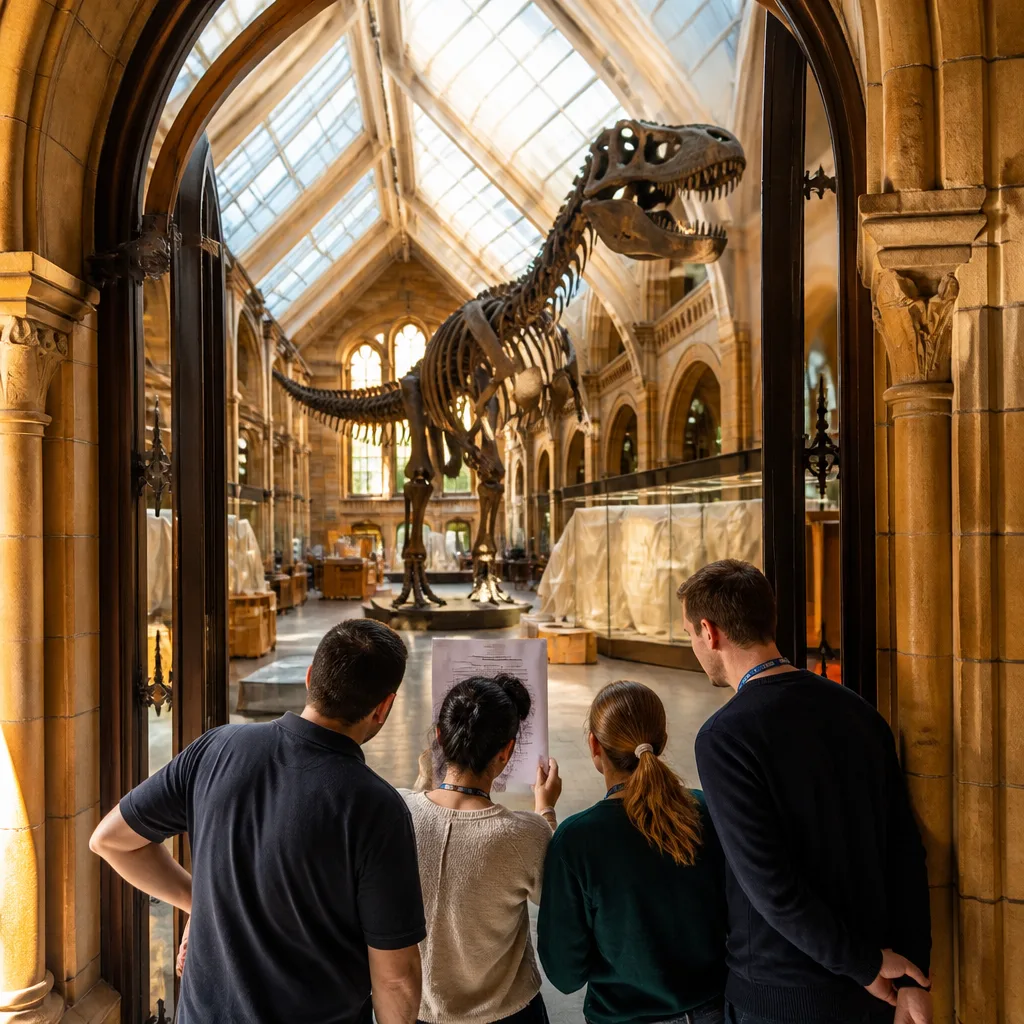
The Parkway museum has been a fixture for families, school groups and researchers for generations. Visitors recalled formative experiences with the institution’s displays, in particular its dinosaur exhibits and a towering Tyrannosaurus rex skeleton that have been described as inspirations for future scientists and lifelong curiosity about the natural world.
"I think it's a loss to Philadelphia," said Marcia Halbert, 97, who recounted visiting the museum with her children and taking students there during her teaching career.
Other visitors emphasised the museum’s hands‑on appeal. One recalled children digging up bones and encountering real specimens, experiences she said were “pretty cool” and regretted would be lost once the museum closes. Several quoted in media reports described personal memories that emphasised the centre’s educational value.
Operational changes and the pandemic effect
Officials cited falling visitation as a key factor. In response to lower footfall following the pandemic, the museum had already cut back its opening hours: last year it reduced the public schedule from five days a week to three. That contraction was part of an effort to rebuild operations but was not sufficient to stabilise finances and protect the scientific collections, the Academy said.
| Item | Detail |
|---|---|
| Foundation year | 1812 |
| Opened to public | 1828 |
| Operating days (pre-cut) | Five days a week |
| Operating days (after cut) | Three days a week |
What this means for collections, research and public access
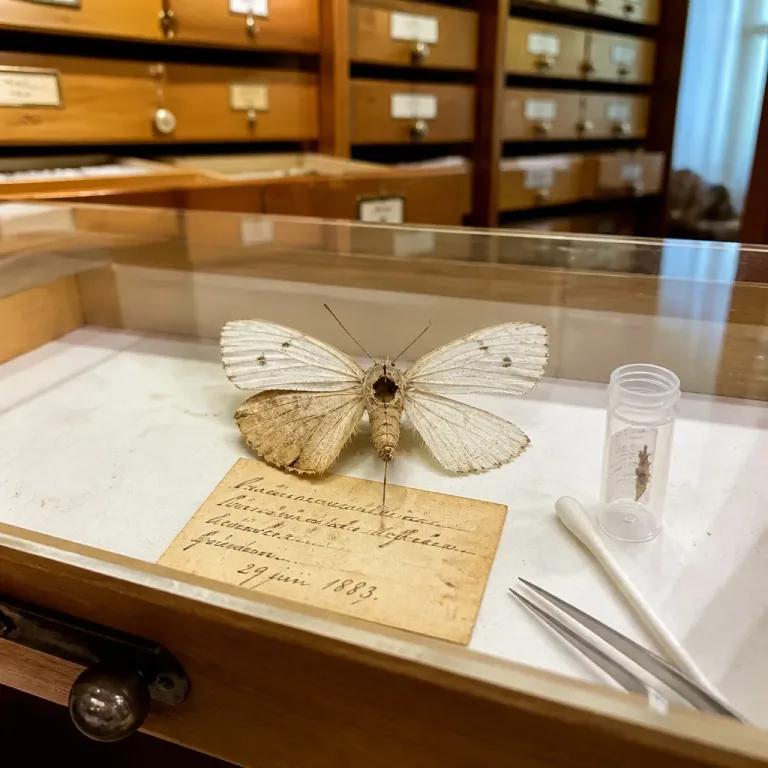
The Academy characterised the move as concentrating resources on the institution’s scientific mission — its collections and research enterprise — rather than continuing to operate the Parkway visitor centre. That rationale underlines a familiar tension for many museums: balancing public-facing exhibitions with the long‑term care of specimens, archives and research programmes.
What will happen to the well‑known exhibits, such as the dinosaur halls and the Tyrannosaurus rex, has not been detailed in the public statement. The Academy’s note stresses preservation of scientific assets; typically, closures of this kind lead to relocation, curation changes or loans to other institutions, but the organisation has not outlined a specific pathway in the materials released so far.
- Heritage at risk: the Parkway museum has served the public for nearly two centuries.
- Reduced operations: the site had already cut public opening days from five to three last year.
- Institutional priority: the Academy says closing the building will allow it to protect collections and sustain research.
For visitors and educators who have relied on the Parkway museum as an accessible introduction to palaeontology, taxidermy and natural history, the announcement marks the end of a familiar resource. For the Academy, the decision reflects difficult choices facing many cultural and scientific organisations as they seek to balance public engagement with the stewardship of irreplaceable scientific material in a changed post‑pandemic landscape.