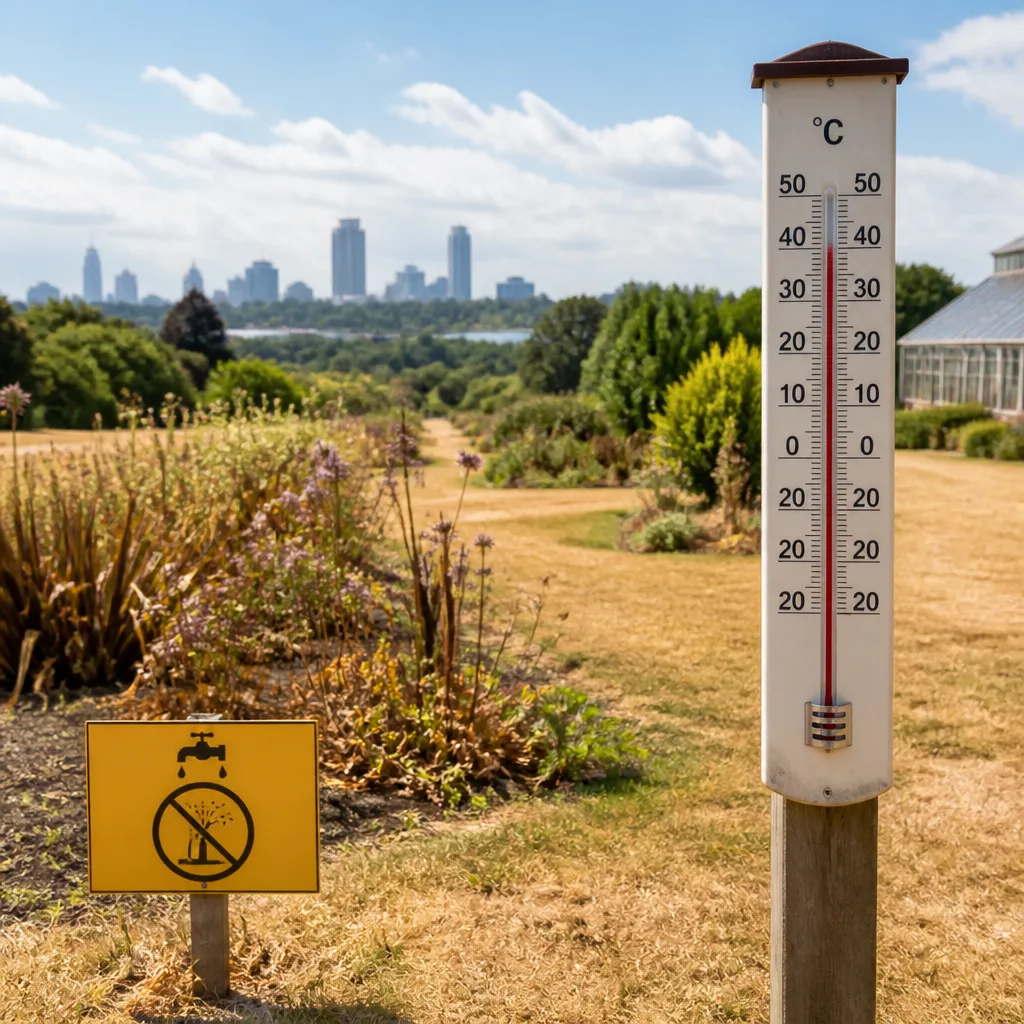
The UK has experienced its warmest summer in the instrumental record, the Met Office has said, with a provisional mean temperature of 16.5°C for the season and a series of record-breaking heatwaves that pushed temperatures as high as 38.1°C in Kew Gardens, London, on 13 August.
What happened and how unusual it was
Met Office analysis shows that the seasonal mean makes this summer provisionally the warmest since records began in 1884. England, Wales and Northern Ireland each recorded their highest-ever mean summer temperatures, while Scotland saw a joint sixth-warmest summer in the series. June had already been confirmed as the UK’s hottest June on record.
Unsurprisingly, the agency’s attribution work found the conditions were extremely unlikely without human-caused climate change. Met Office scientists concluded the record-breaking heat was made about 130 times more likely by the climate crisis linked to fossil fuel emissions — a finding consistent with international attribution studies of recent European heatwaves.
“It was a brutal reminder that we’re not waiting for climate change to arrive in Britain, we’re living in the middle of it,”
The comment came from the minister for climate transition, reflecting concerns that the heat had immediate consequences for people, agriculture and emergency services.
Health, impacts and wider consequences
The public-health impact has been stark. The UK Health Security Agency reported that an estimated 2,877 people died in the May and June heatwaves alone. Authorities also faced an elevated number of wildfires and strains on emergency services and the armed forces as they responded to incidents across the country.
The heat has affected everyday life in multiple ways: households coping with difficulty sleeping, farmers watching soils dry and reduced water availability in some areas, and public services managing increased demand. The Met Office’s climate projections warn that summers in the UK are likely to become warmer on average in the coming decades, increasing the frequency and intensity of such events.
How this summer compares with past extremes
This is the second consecutive year in which the UK’s summer-temperature record has been broken: both 2025 and 2026 now sit as the warmest summers on record. The infamous 1976 summer, often cited as a benchmark for heat and drought, now ranks as the seventh warmest by mean temperature.
| Metric | Value / Note |
|---|---|
| Provisional mean UK summer temperature | 16.5°C |
| Peak observed temperature | 38.1°C (Kew Gardens, 13 August) |
| Estimated heat-related deaths (May–June) | 2,877 (UKHSA) |
| Climate attribution | Event made about 130 times more likely by human-driven climate change |
What to expect next and what to do
While seasonal averages have been set at a new high, day-to-day weather will still vary across the country and with the seasons. The Met Office’s projections indicate a trend towards hotter summers, so households, services and businesses should continue planning for higher temperatures and heat-related impacts.
- Stay informed of Met Office and UKHSA advisories during heat events.
- Follow public-health guidance on keeping cool and checking on vulnerable people.
- Local authorities and infrastructure operators should review heat-resilience plans, including water supplies, health services and wildfire preparedness.
Confidence in the Met Office’s assessment is high for the broad conclusion that human-induced warming has increased the likelihood and severity of such a season. However, exact regional impacts and the pace of future change will depend on global emissions pathways, local adaptation and short-term weather variability.
This provisional record underlines that a warmer climate is no longer a distant prospect for the UK: it is the environment in which communities, services and policymakers must now make practical decisions.