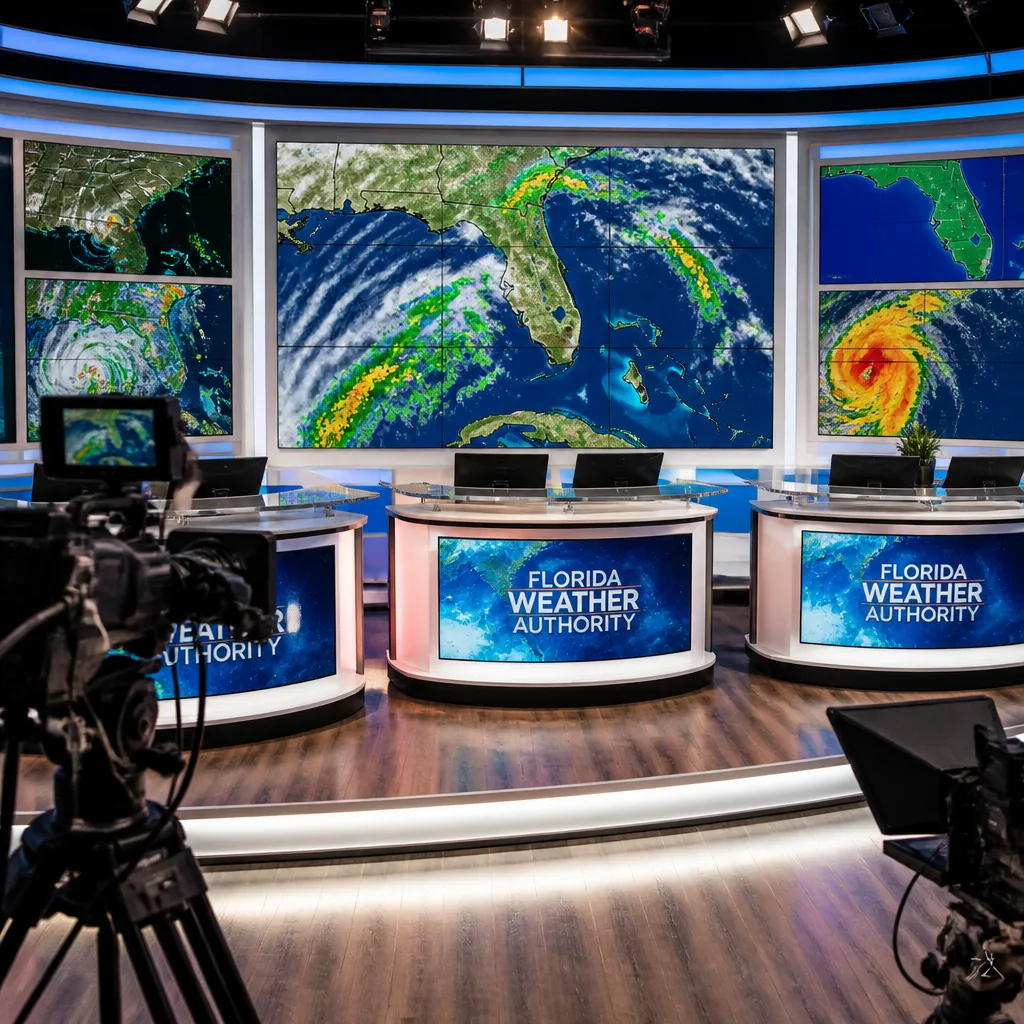
Three veteran broadcast meteorologists have embraced a digital-first approach to weather communication, founding a new service that aims to carry trusted forecasting and weather messaging into online platforms as audiences increasingly abandon traditional television for digital media.
What has changed
For decades television was the principal route for viewers to access local weather information. Rising consumption of social media, YouTube and other online platforms is changing that relationship. The platform created by Tom Sorrells, Amy Sweezey and Rob Eicher — operating under the name Florida Weather Authority — is explicitly built around the idea that experienced meteorologists can reach people beyond the limits of local broadcast schedules or station boundaries.
Why the shift matters
The move is significant for two reasons. First, it reflects a broader change in how people source weather updates: immediate, on-demand and often personalised content online is replacing the once predictable appointment of watching a local weather bulletin. Second, it highlights a strategic choice by senior meteorologists to follow audiences rather than remain tied to legacy media.
Those involved say the new model allows them to preserve professional standards and trust while adapting how and when they share information. For some, leaving full-time television did not mean abandoning meteorology; instead it created fresh opportunity to shape new products and reach different audiences.
“I have been blessed to keep my foot in weather,”
The quote above comes from Amy Sweezey, who left full-time television work in 2020. Since then she has taken on freelance roles, including weather messaging for Carnival Cruise Line, worked with television stations on a contract basis and developed weather-related projects such as children’s books and educational workbooks.
How the digital-first service works
The founders describe the platform as digital-first, using experienced, credentialled meteorologists to deliver weather information unconstrained by traditional broadcast timetables. That model is intended to reach people where they already consume content — online — while retaining the professional standards viewers expect from broadcast meteorologists.
- Founding team: Tom Sorrells, Amy Sweezey and Rob Eicher.
- Focus: Delivering trusted weather information via digital channels for Florida audiences.
- Motivation: To adapt to changing audience habits and preserve quality meteorological communication outside the TV schedule.
The story of the Florida Weather Authority offers a lens on a wider question facing the profession: as consumers move to online sources, what will the role of the Certified Broadcast Meteorologist (CBM) become? The founders’ experience suggests one path — migration to platforms where timeliness and direct engagement matter more than linear airtime.
Implications for public weather services
For the public, the shift presents both opportunities and challenges. On the positive side, digital platforms can provide more frequent updates, richer multimedia explanation and direct interaction during severe events. On the other hand, the fragmentation of sources can make it harder for audiences to judge reliability and may increase reliance on individual personalities rather than institutional channels.
Public weather agencies and professional meteorologists will need to consider how to collaborate with or adapt to these new outlets to ensure consistent, evidence-based messaging. The founders’ combination of broadcast experience and digital strategy signals how some meteorologists are choosing to meet that challenge.
While the future shape of broadcast meteorology is still emerging, the Florida Weather Authority example underlines a clear trend: trusted expertise is following the audience online, and the profession is being reshaped by platforms that prioritise immediacy, accessibility and direct engagement.