A federal study commissioned for local governments and Indigenous communities warns that northeastern British Columbia will become substantially warmer and wetter this century, increasing the frequency and severity of floods, wildfires and other weather emergencies.
What the study projects
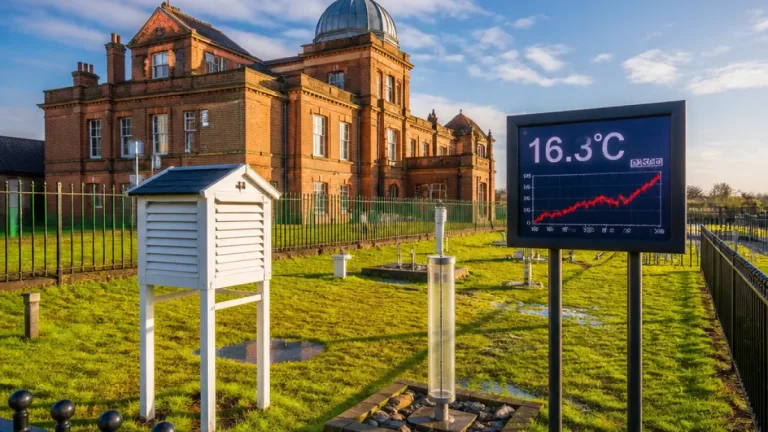
Researchers working with the Fraser Basin Council say average temperatures in the region could rise by around 3°C by the 2050s and as much as 5°C by the 2080s. The changes will alter seasonal patterns: summers are predicted to feel more like those currently experienced in the Okanagan, while January temperatures may resemble what used to be typical in March.
| Period | Projected average temperature rise |
|---|---|
| 2050s | ≈ 3°C |
| 2080s | ≈ 5°C |
Local impacts and recent examples
The report highlights that these climatic shifts will affect core services and community safety. Road networks, water supplies and emergency response arrangements are all likely to face new pressures as extreme events become more common.
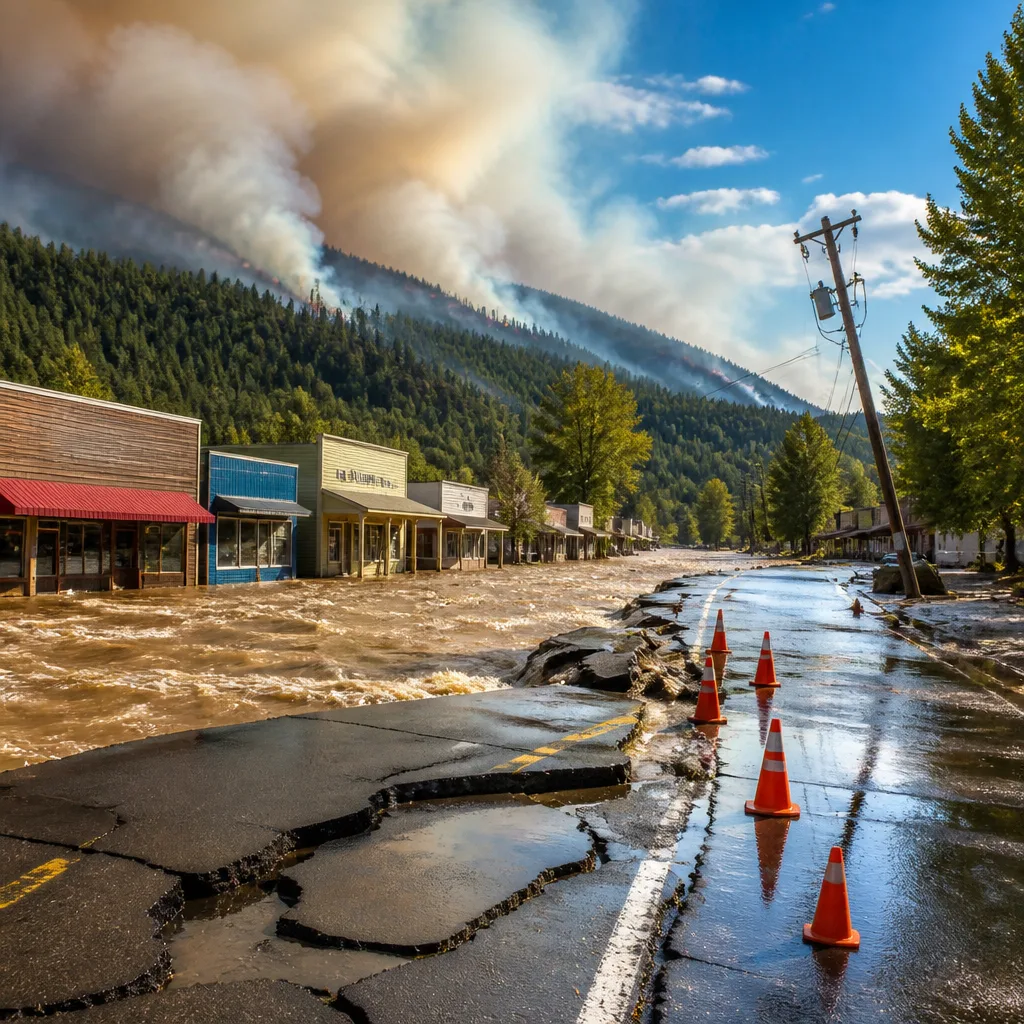
The study underlines recent, disruptive events in the region as indicators of what lies ahead. In 2016 heavy rains and severe flooding cut the area’s only road connection to the Lower Mainland. Since 2022, a series of intensifying wildfires have forced thousands of residents from their homes, including the Donnie Creek blaze, which the report identifies as the largest fire on record in the province.
Planning and preparedness
Authors working with the Fraser Basin Council stress the study is intended to support practical local planning rather than engage in high-level debate. As one researcher explained, the emphasis is on community-level decisions about how to adapt infrastructure and emergency systems to a warmer, wetter future.
"This isn't about the politics of climate change. This is people at the community level saying, 'What is the future going to look like, and how do we plan our communities to take that into account?'"
The report suggests that an array of policy and operational responses will be needed to reduce disruption and speed recovery when disasters strike. Local authorities and Indigenous communities commissioned the federally funded research to inform decisions on land use, evacuation routes, water management and fire preparedness.
- Infrastructure: roads and transport links may require redesign or reinforcement to withstand heavier rainfall and flood events.
- Water supplies: changing precipitation patterns could alter river flows and groundwater availability, complicating both municipal supplies and agricultural needs.
- Emergency planning: more frequent evacuations and larger fires will demand updated evacuation corridors, shelter capacity and inter-agency coordination.
Confidence and next steps
The projections use established climate-modelling approaches to present plausible future scenarios for the region; they are presented as planning tools rather than precise predictions. The report is meant to give communities the information needed to make choices now about infrastructure, land use and emergency response that will reduce long-term costs and disruption.
For residents and policymakers, the practical task is clear: assess vulnerable systems, prioritise adaptations and strengthen local emergency arrangements so that communities are better placed to withstand higher temperatures, heavier precipitation and the associated hazards documented in the study.
While the report focuses on northeastern B.C., its findings echo themes seen across many northern and inland regions: warming that shifts seasonal conditions, and compounding risks from floods and fires that require integrated planning and investment.