Couche‑Tard, the Quebec‑based convenience retail group, has approached the owners of the forecourt business formerly known as EG Group with a potential offer of roughly $7.5bn–$8bn (about £5.6bn), according to reports. The move would mark a substantial reduction in value from earlier ambitions and prior market estimates for the group.
Price cut from float ambitions and past talks
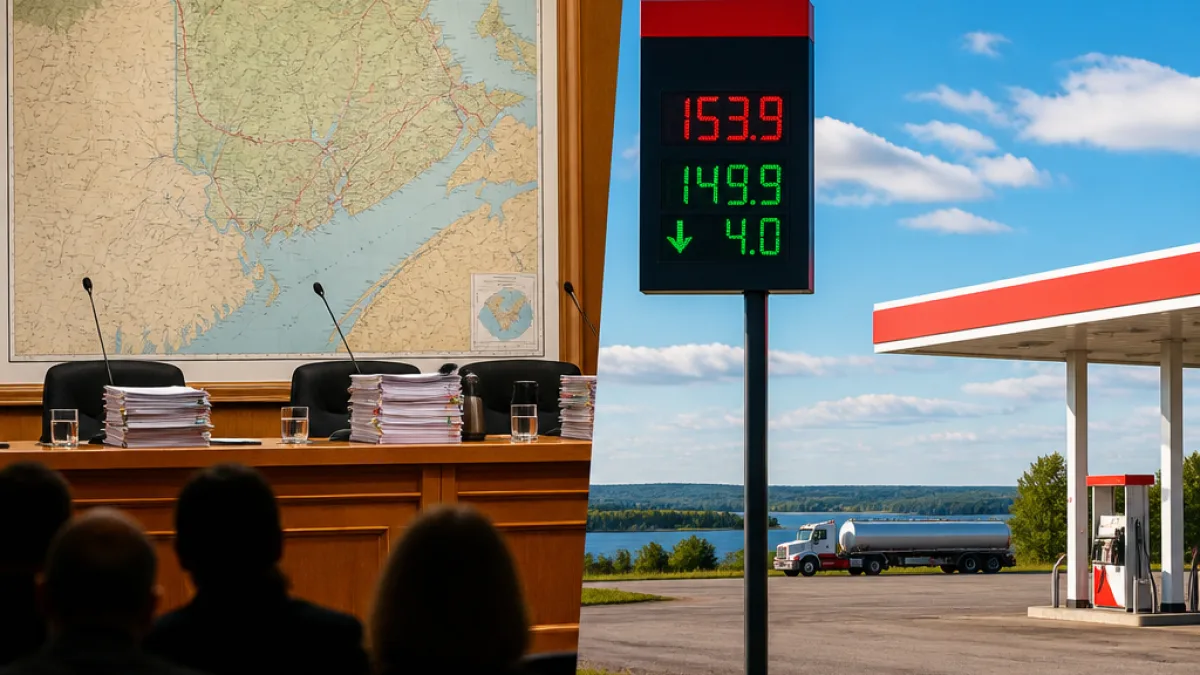
The mooted price range contrasts with a management target of a $9bn valuation that had underpinned plans for a US stock market flotation, a process that was subsequently put on hold amid recent turbulence in equity markets. It also sits far below the $16bn valuation attached to the business when Couche‑Tard first held discussions about a purchase in 2022.
For shareholders and stakeholders, the numbers tell a simple story: market conditions have eroded the scope for a high‑value exit, and corporate suitors are now seeking the business at what would be a meaningful discount to prior expectations. For employees and customers, the deal — if agreed — could signal a change in ownership philosophy and operational priorities.
Who owns what
The ownership structure is straightforward and helps explain how any deal could be stitched together. Mohsin and Zuber Issa each hold a 25% stake in Cumberland Farms, with the remaining 50% retained by private equity firm TDR Capital. The business operates approximately 3,300 sites across Europe and the United States.
| Stakeholder | Ownership |
|---|---|
| Mohsin Issa | 25% |
| Zuber Issa | 25% |
| TDR Capital | 50% |
| Sites operated | 3,300 |
From a single BP forecourt to a global estate
The Issa brothers’ rise from a single BP garage in Bury, Greater Manchester in 2001 to building a multinational forecourt network is well documented. They pioneered the placement of branded food and drink outlets — including Starbucks, Subway, Greggs and KFC — on forecourts, a strategy that expanded convenience offers and non‑fuel revenues.
The group’s acquisitive phase, fuelled by a period of cheap borrowing, culminated in the high‑profile £6.8bn purchase of Asda in 2021 alongside TDR Capital. That transaction remains a touchstone for how the family and its private equity partner operate, although the Issa presence at Asda has shifted: Mohsin remains a minority shareholder while Zuber sold his stake in 2024 and stepped down as co‑chief executive of EG Group in 2024 while continuing as a director.
What a sale would mean
A sale to Couche‑Tard, which itself is a major global convenience operator, would concentrate ownership of a large international forecourt estate in the hands of a non‑UK strategic buyer. Historically, such consolidations have a range of consequences:
- Operational integration may prioritise cost efficiencies and standardisation of supply chains, which can affect local procurement and staff structures;
- Customers may see changes to the mix of in‑store brands and promotions as the new owner aligns retail offers with its existing portfolio;
- For suppliers and landlords, renegotiation of terms and contract reviews often follow a change of control.
None of these outcomes is inevitable — private equity and family sellers often negotiate protections for staff and local partners as part of a deal — but they are typical levers buyers examine to justify offered prices.
Valuation pressure and the wider market
The suggested price range highlights broader stress in markets for large retail and petrol retail assets. When Couche‑Tard entered talks in 2022 valuing the business at about $16bn, conditions were markedly different. The prospective $7.5bn–$8bn range underlines how swiftly sentiment and valuation multiples can shift, especially for sectors sensitive to interest rates, fuel demand and changing consumer behaviour.
For policymakers and observers focused on jobs and consumer prices, the central questions will be whether a buyer sustains investment in the estate and how any cost savings are realised. For the Issa brothers and TDR Capital, the calculus is now whether to accept a lower‑than‑hoped exit, keep seeking a floated listing, or pursue alternative offers.
The story remains fluid: reports of an approach do not equate to a signed deal, and shareholders will weigh the offer against rivals and strategic options. What is clear is that the era of high valuations for large forecourt and convenience groups has been checked, and that has immediate implications for owners and the people who work in and rely on these sites.