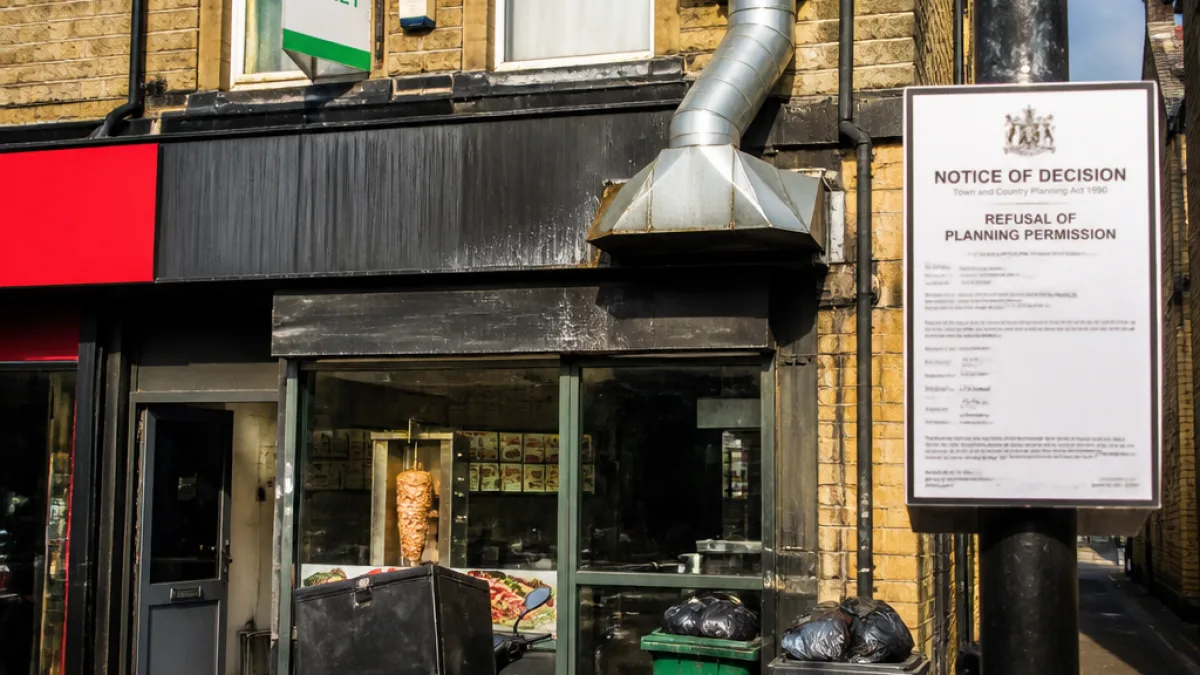
Bath and North East Somerset Council has refused planning permission for a Lidl supermarket at London Road after councillors and officers concluded the scheme did not adequately protect wildlife, could harm the city's UNESCO World Heritage Site and raised traffic and town-centre impact concerns.
Decision follows strong public response
The application attracted a substantial public response, with 740 objections and 256 comments in support recorded by the Local Democracy Reporting Service. Opponents highlighted possible harm to bats and wider ecological impacts, while local councillors and residents warned of increased traffic on an already busy route and the potential effect on traders in Larkhall and other neighbourhood centres.
Lidl argued the shop would bring benefits to east Bath, saying it would create 40 jobs, reduce customer mileage by 29% and cut carbon emissions by 82 tonnes. Those claims formed part of the firm's case that a discount supermarket would improve access to affordable food for local people.
"This decision will be welcomed by residents and councillors concerned about wildlife and the character of Bath," said Green councillors Joanna Wright and Saskia Heijltjes, who represent the Lambridge area.
Heritage and biodiversity at the heart of objections
One of the striking aspects of the debate was concern that the development could cause harm to Bath's UNESCO World Heritage status. Although the planning report does not set out an imminent threat to the designation, officers judged that the scheme's visual and landscape impacts had not been adequately mitigated.
Ecological concerns — particularly the protection of bats — were repeatedly cited by objectors and by planning officers. The council concluded that the application had not demonstrated sufficient safeguards for protected species and habitats, a material consideration in any planning decision.
Traffic and town-centre trade considerations
Opponents also flagged traffic and highway safety issues on London Road. Some local traders and campaigners argued that a new large supermarket could divert trade from independent shops in nearby Larkhall and elsewhere in the city, undermining the character and vitality of neighbourhood shopping areas.
In reaching a decision, councillors had to balance the potential benefits set out by Lidl — jobs and reduced travel distances for some shoppers — against the possible negative effects on biodiversity, heritage and local businesses.
- Public response: 740 objections, 256 comments in support
- Lidl’s claims: 40 jobs; 29% reduction in customer mileage; 82 tonnes of carbon saved
- Main council concerns: bat protection, potential harm to Bath UNESCO World Heritage Site, traffic and impact on local shops
| Issue | Claim / Figure |
|---|---|
| Jobs | 40 |
| Estimated cut in customer mileage | 29% |
| Estimated carbon reduction | 82 tonnes |
| Public objections | 740 |
| Comments in support | 256 |
For many Bath residents the ruling will be seen through the twin lenses of environmental protection and the future of the city's neighbourhoods. Supporters of the scheme emphasised improved local access to discount food shopping and new jobs; opponents stressed the need to shield wildlife and protect Bath's distinctive heritage and small-business network.
The outcome at London Road is likely to fuel further debate about how the city manages growth at its edges, how planners weigh retail provision against conservation, and what forms of development are suitable close to a fragile heritage landscape.
For now, Lidl’s plans have been refused. Whether the company will revise its proposals to address the council’s concerns or seek to appeal the decision remains to be seen.