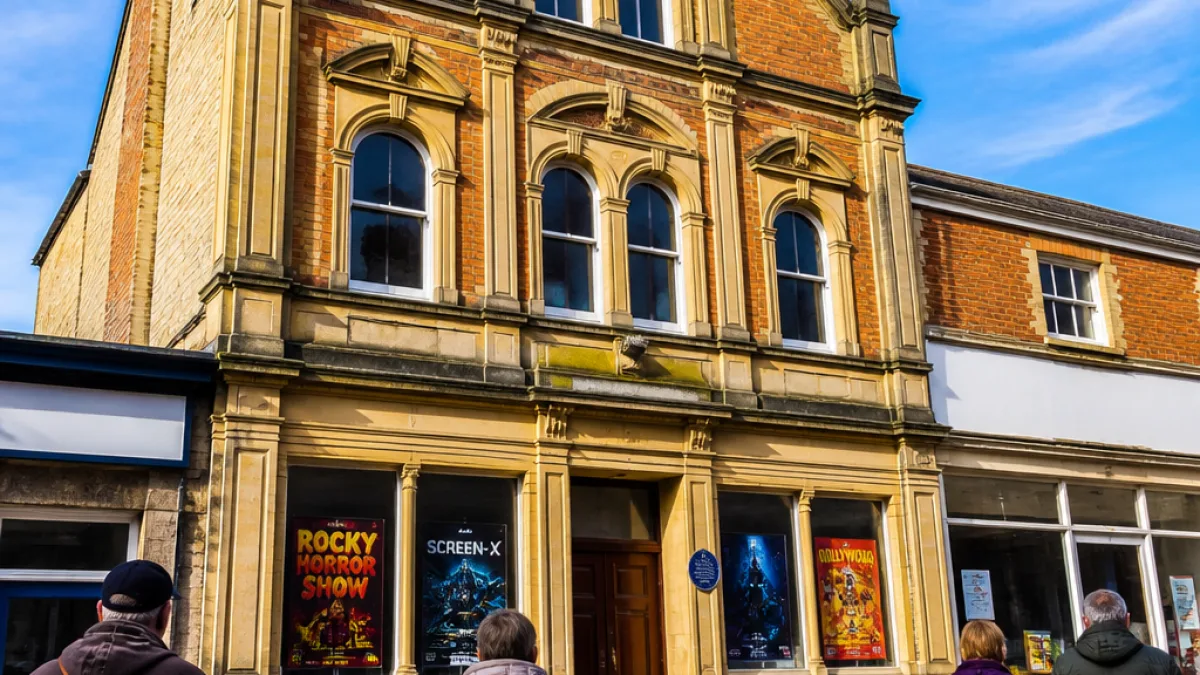
The announcement that Yates’s in Hastings town centre is to close has prompted a fresh look at the building it occupies, and a wider conversation about how places across the South West adapt when familiar names leave the high street. The structure itself has a long record of public life: built in 1858, it measured 80 feet long, 60 feet wide and 85 feet high, and has served the town in several guises for more than a century.
From music hall to cinema
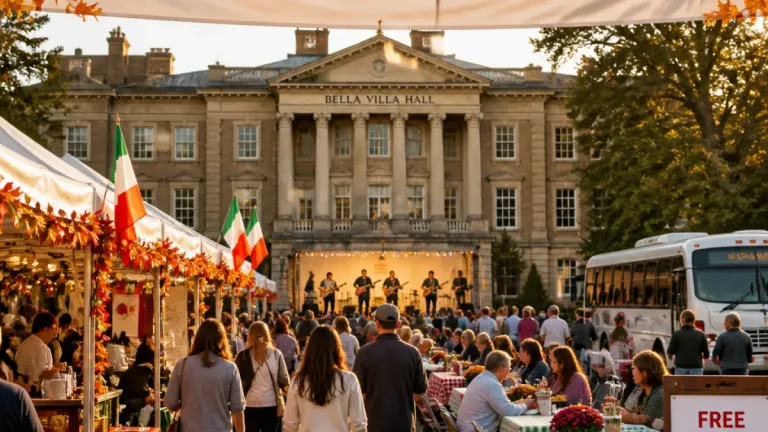
Between the late 1850s and the 1880s the premises was leased to Mr Charles Lockey and run as the Hastings Music Hall, a sizeable venue for entertainment and assemblies of its day. Its most celebrated moment came on 6 November 1861, when Charles Dickens gave public readings of his prose works, including A Christmas Carol and The Pickwick Papers. A blue plaque now marks that association.
Later changes of use reflect shifting leisure habits. In 1875 it became the Public Hall Assembly Rooms, while from 1913 until 1978 it returned to public entertainment as a cinema, later known as The Orion. At street level, retail uses followed: the building housed a large W H Smith branch until the chain relocated to the Priory Meadow shopping centre, and a fashion shop called JAX also occupied part of the premises.
- Built: 1858
- Notable event: Charles Dickens reading on 6 November 1861
- Public Hall Assembly Rooms from 1875
- Cinema use: 1913–1978 (later The Orion)
| Feature | Detail |
|---|---|
| Dimensions | 80 ft × 60 ft × 85 ft |
| Historic uses | Music hall, assembly rooms, cinema, retail |
What the closure means locally
For residents of Yate, the story will feel familiar. Across the South West, independent shops, chains and leisure venues have been reassessed as patterns of shopping, entertainment and footfall change. The closure of a named pub such as Yates’s in one town serves as a visible marker of those shifts. Buildings with long histories — the Hastings site has seen nearly 170 years of public use — often survive by being repurposed, but that process can leave communities debating what is preserved and what is lost.
Longstanding buildings can act as a memory bank for towns: a blue plaque here recalls Dickens’s reading; the later cinema era is part of a different generation’s recollections; retail use links to more recent high-street economies. When a current occupier pulls out, those layers of history come into focus and people ask what comes next for both the building and the surrounding area.
Local context and questions ahead
In towns such as Yate, where local councils and business groups are often working to sustain high streets and town centres, the closing of public-facing premises highlights a recurring challenge: how to encourage viable uses for prominent buildings while retaining local character. The Hastings building’s survival through multiple reinventions shows the possibilities, but not every property finds a sustainable next chapter quickly.
For residents, the closure is also about livelihoods and social hubs. Pubs and restaurants frequently provide casual employment and spaces for community life. Their disappearance can be noticed immediately in day-to-day routines — a meeting place lost, an occasion with fewer options. Conversely, sensitive redevelopment can revive a building while respecting its history.
Whatever the outcome for the Hastings site, its story is a reminder for Yate and neighbouring towns of the value of historic buildings and the care needed to secure their future. The building’s past — from music hall and Dickens readings to cinema screens and retail — underlines that adaptation is possible, but it depends on thoughtful investment and local support to ensure the next chapter is one that sustains both place and people.