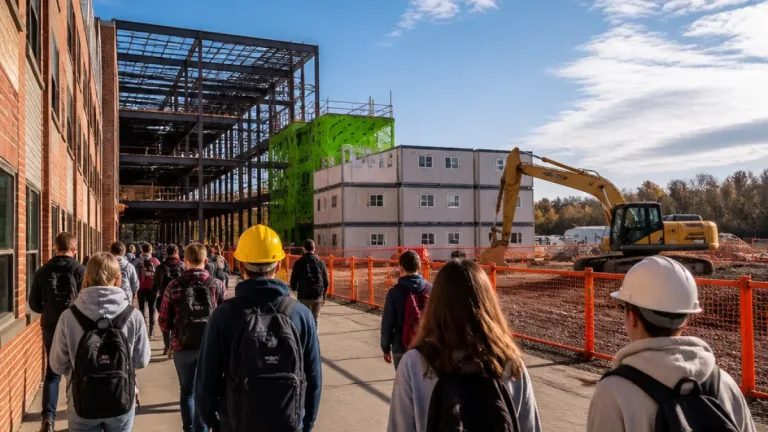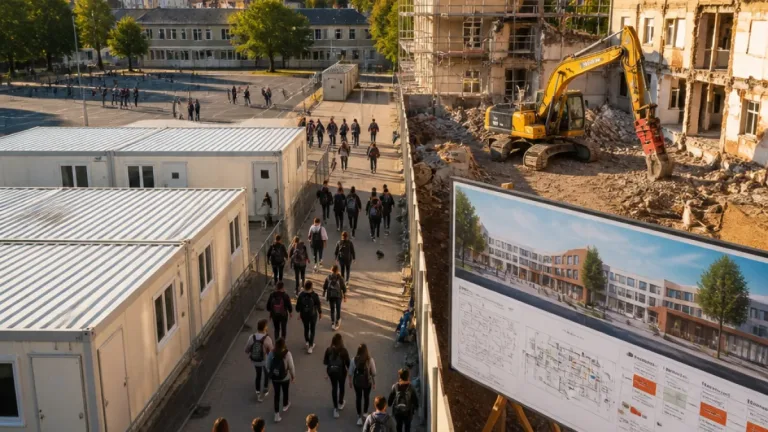
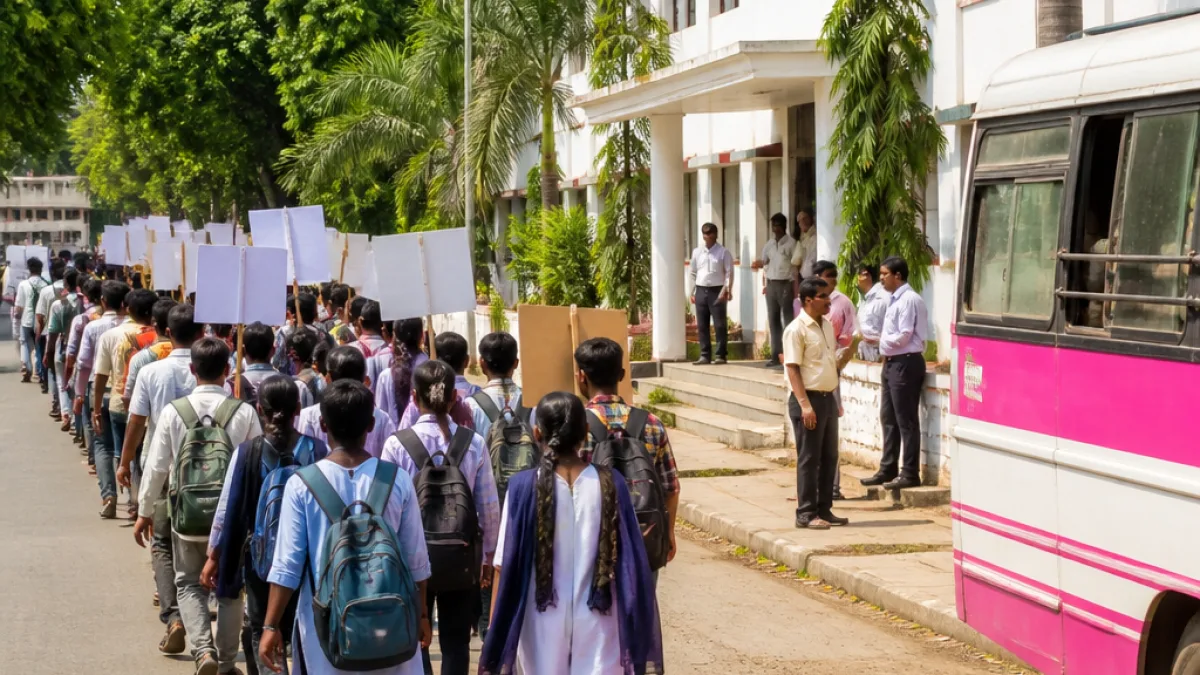
Students from North Carolina A&T State University and the University of North Carolina at Greensboro marched for more than half an hour to a polling place after county officials removed early voting sites from their campuses — a moment captured on video that has since been widely shared. The action has been framed as both a response to practical barriers to voting and a symbol of the wider political assault on higher education in the United States.
What students’ action exposed
The episode follows a period in which critics say the Trump administration and its allies have pursued policies that, collectively, have undermined universities’ capacity and standing. According to commentary in the source material, these measures include:
- Weakening of the Department of Education through staffing and policy changes.
- Assaults on academic freedom and related principles governing campus life.
- Reduced research funding through withheld grants and support.
- Efforts to restrict international students and limit their post‑graduation employment prospects in the US.
- Removal of protections for LGBTQ+ students, according to the account.
These developments, the piece argues, have contributed to a broader delegitimisation of higher education among some political actors — a process with roots stretching back decades.
“God and Man at Yale”
The analysis traces the modern conservative critique of universities back to the 1950s and William F. Buckley Jr.’s book “God and Man at Yale”, which questioned academic freedom and secular education in relation to institutional founding values. It suggests that the longer arc of conservative scepticism about universities set the stage for more recent, aggressive interventions.
Calls for a Democratic response — and a role for institutions
Those writing on the subject warn that, should Democrats gain control of Congress, they cannot afford to let the policy conversation around higher education be neglected. A striking example cited is a Brookings Institution essay series on potential policy effects of a hypothetical Democratic 'blue wave' that, according to the source, omitted any discussion of “college” or “university”.
Commentators see that omission as a missed opportunity. They argue that rebuilding public trust and institutional resilience will require more than celebratory messaging about research and teaching. Instead, universities must be more transparent about how they operate and proactive in explaining how their work serves broader public interests.
| Government action cited | Reported effect |
|---|---|
| Withholding research money | Constrains research programmes and funding predictability |
| Attempts to limit international students | Potential reduction in international enrolment and post‑study work opportunities |
| Removal of early voting sites | Directly affects student turnout and access to voting |
Those advocating for a Democratic policy response contend that parties of the left should set out a clear agenda for higher education reform and renewal rather than leave the field unaddressed. The source material urges institutions such as Princeton to play a part in this process by engaging the public and promoting greater transparency about the social value of their work.
Implications for students, institutions and politics
For students, the removal of campus voting facilities can transform civic participation from a simple act into a logistical challenge, as the viral march demonstrated. For universities, the political pressure described raises questions about academic autonomy, funding stability and the capacity to attract international talent.
At a political level, the debate matters because higher education intersects with workforce policy, immigration, research and civil rights — areas that influence the lives of millions. The call from commentators is for a substantive political dialogue about the future of universities, not only defensive responses to attacks.
Whether policymakers and higher education leaders will take up that invitation remains to be seen, but the image of students walking together to cast their ballots underlines the tangible stakes involved.