President Donald Trump said the United States' position on the Falkland Islands was "one of many" under review, prompting immediate rebuttal from Westminster that the islanders are British and have the right to decide their own future.
Diplomatic ripples after a brief remark
Speaking to reporters on Monday, Mr Trump was asked if he was reconsidering the US posture on the South Atlantic territory. He replied:
"I always review every position. That's just one of many."
The comment follows reporting that some US defence officials have been drawing up proposals to encourage Nato allies to meet spending pledges — proposals that reportedly include a range of incentives and pressures, among them a possible US posture change on the islands. The White House brief answer has been seized as significant because previous US administrations have recognised the UK's de facto administration of the islands without taking a formal stance on sovereignty.
UK ministers reiterate sovereignty and self-determination
A Foreign Office minister responded in the House of Commons, telling MPs there is "no doubt" about British sovereignty over the islands. The minister said the Falkland islanders "are and will always remain a British overseas territory in line with the wishes of the Falkland islanders" and that the UK remains "steadfast" in supporting their rights of self-determination.
Labour MP Dame Emily Thornberry, who chairs the Commons foreign affairs committee, described Mr Trump's remarks as "nonsense" and called for an official government statement to set out the UK position clearly for domestic and international audiences.
Historical context and stakes
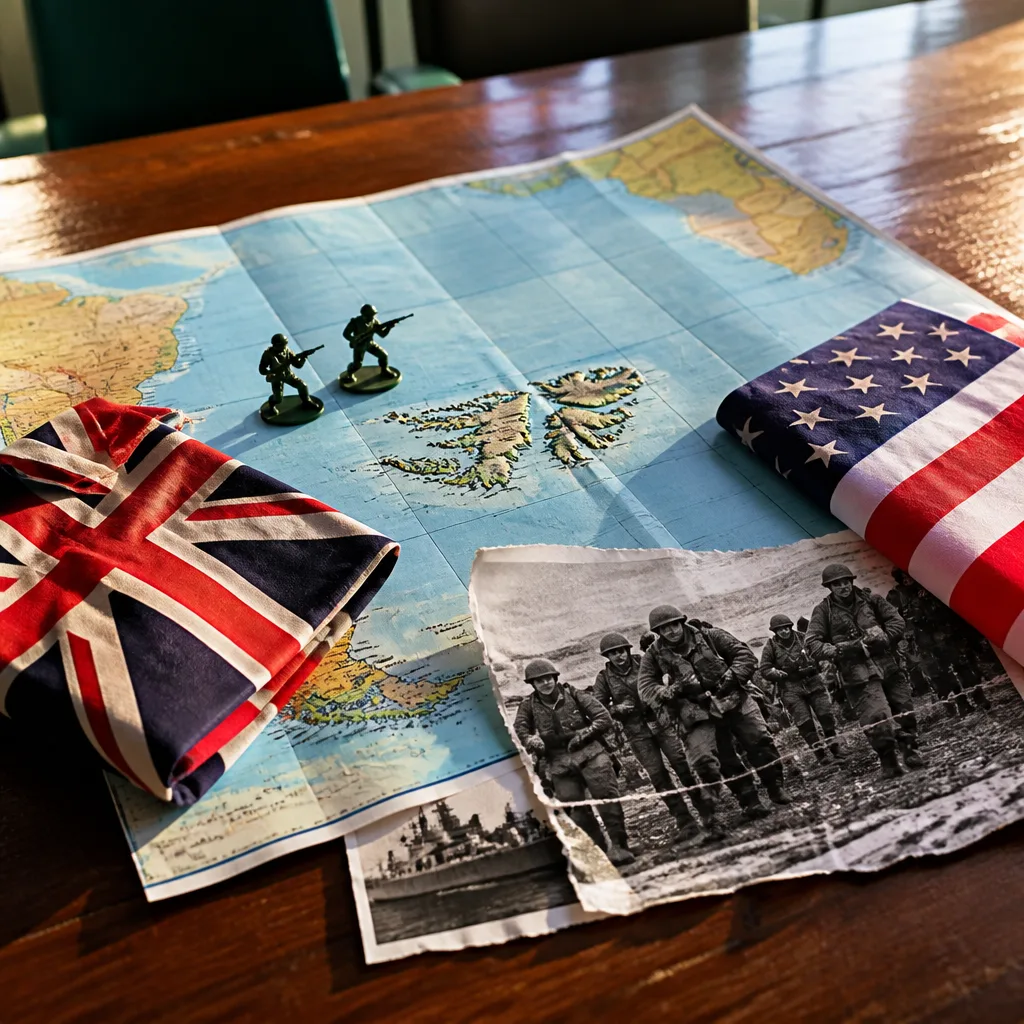
The Falkland Islands lie in the south-west Atlantic and have long been the subject of a sovereignty dispute between Britain and Argentina. The two countries fought a 74-day war over the territory in 1982, when a British task force expelled Argentine forces after they landed to press a claim. Casualties from that conflict remain a stark reminder of the stakes involved.
| Casualties (1982 conflict) | Number |
|---|---|
| British military personnel | 255 |
| Islanders | 3 |
| Argentine military personnel | 649 |
That conflict continues to shape political memory in both London and Buenos Aires and helps explain the sensitivity around any suggestion of changing international positions on the islands.
What this could mean for defence and diplomacy
Reports that US defence officials are exploring measures to press Nato allies on defence spending — potentially paired with diplomatic levers — have heightened concern in the UK. Ministers insist the islanders' wishes determine the islands' status, while analysts say any shift in Washington's posture could complicate existing UK defence planning and bilateral relations with the US.
Key immediate consequences include:
- Heightened diplomatic exchanges between Whitehall and Washington to clarify US intent;
- Calls in Parliament for an unequivocal government statement to reassure the Falkland islanders and allies;
- Renewed attention to defence spending debates and NATO burden-sharing discussions that were already contentious.
At present, the UK government has publicly restated its commitment to the islands and their right to self-determination. It has not announced any new policy measures in response to Mr Trump's comment. How Washington proceeds — whether the remark remains an offhand comment or signals a broader strategic review — will be closely watched in Westminster, Stanley and Buenos Aires.
The situation underlines how a brief presidential remark can reverberate through diplomatic channels and revive longstanding international disputes, with potential consequences for defence, alliance politics and the lives of island residents.