Tsukiji, a family-operated group of Japanese restaurants in Manila, has managed to remain a fixture on the city’s dining scene for 37 years by protecting its culinary identity while adapting to changing tastes and promotion channels.
Rooted identity, modern outreach
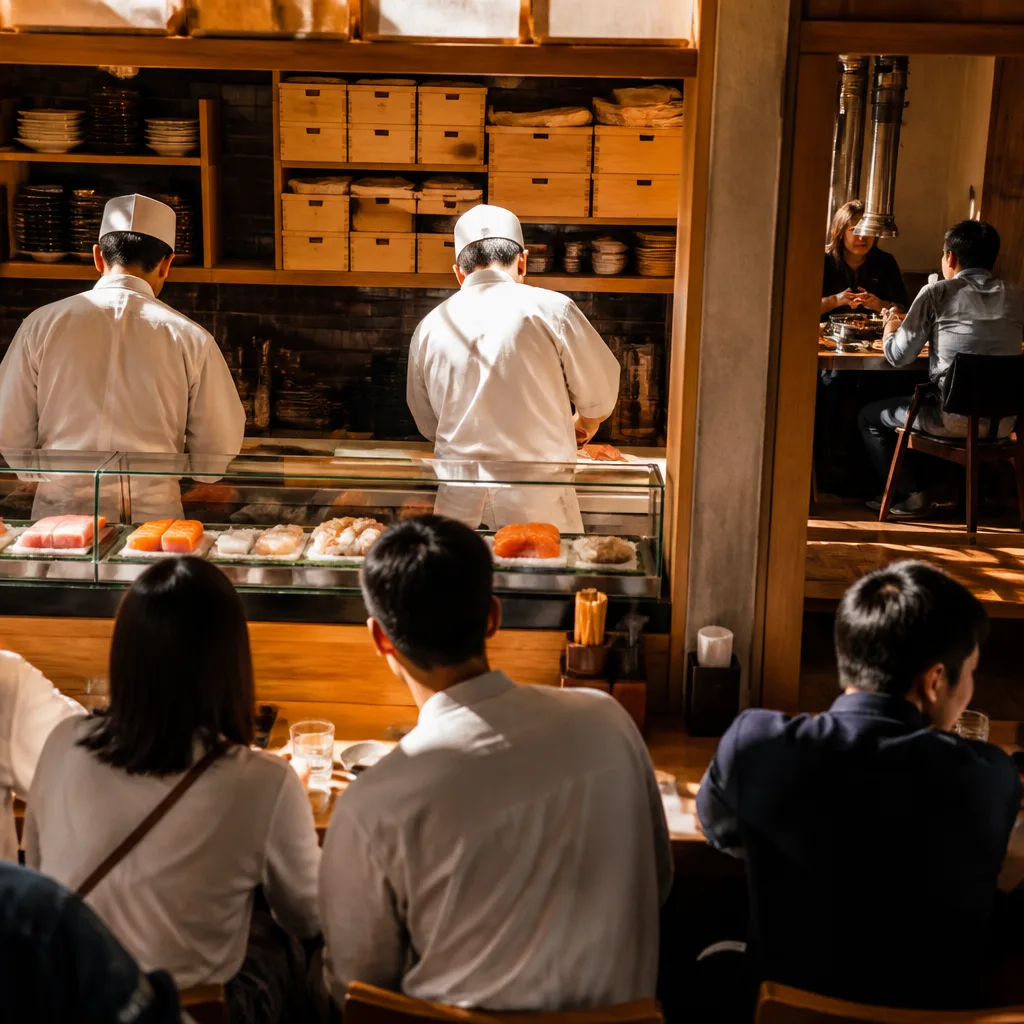
Opened in 1989, Tsukiji built its reputation on high-quality sushi, sashimi and imported beef, including Omi (Ohmi) wagyu. The business became known for directly importing fresh produce from Japan’s famous fish market, an element that helped it stand out from other local restaurants.
That strong foundation has allowed the sibling operators to pursue new approaches to remain visible to a younger audience without undermining what long-time customers expect. Ownership has responded to shifting preferences, price rises and staffing changes while preserving the restaurant’s sense of place — particularly the intimate, third-floor dining space that conjures memories of visits to Japan for many patrons.
Balancing tradition and discovery
One of the challenges for the business has been that one of its dining formats — the yakiniku (grilled meat) room — has been less widely known among newer customers, despite being part of the group for decades. The firm's leaders have sought to tackle that awareness gap while keeping the yakiniku experience authentic rather than turning it into a short-term promotional stunt.
"We started with a restaurant on the right side with a sushi bar (Tsukiji Izakaya), and then 25 years ago we opened the Tsukiji Yakiniku,"
The comment from one of the family operators highlights a slow, cumulative approach to growth: incremental additions to the offer that respect the original concept. That method contrasts with flash-in-the-pan reinventions and helps explain why the group remains considered a destination for Japanese food in the city.
Practical tactics for longevity
At a recent press lunch the owners showed how they combine tried-and-tested hospitality with contemporary marketing tools. Several practical strategies stand out from the family's approach and offer transferable lessons for other long-running venues seeking to engage new audiences.
- Clear culinary identity: a focused menu anchored by sushi, sashimi and premium wagyu gives customers a reliable reason to visit.
- Selective diversification: adding the yakiniku room after establishing the sushi bar expanded the offer without diluting the brand.
- Hybrid marketing: combining traditional media relations with social media outreach helped the restaurant reach food writers and younger content creators alike.
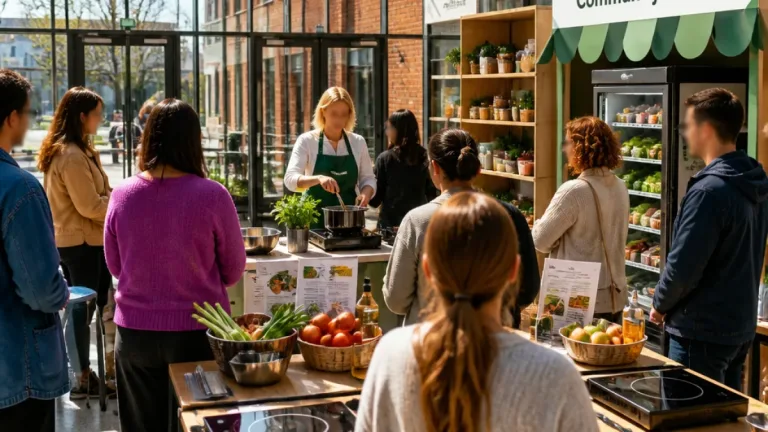
During the press event, journalists, editors and digital creators documented presentations and dishes — a reminder that modern food coverage increasingly blends conventional press with influencer content. The owners appear to lean into that mix, using well-curated experiences for media and creators to generate organic interest.
| Year | Milestone |
|---|---|
| 1989 | Original Tsukiji restaurant opens |
| ~1999 | Tsukiji Yakiniku introduced (about 25 years after the sushi bar) |
| 2026 | Group celebrates 37 years of operation |
What this means for diners and operators
For diners, the Tsukiji story is a reminder that longevity often equals consistency: regulars return for the quality and atmosphere they trust, while newcomers are attracted by authenticity and well-told stories. For independent restaurateurs, the lesson is practical rather than glamorous — cultivate a recognisable identity, add new elements thoughtfully, and use a blend of old and new publicity channels to broaden reach.
Tsukiji’s experience demonstrates that surviving — and thriving — over decades requires more than clinging to past glories or chasing trends. It needs steady stewardship, an eye for what to protect, and a willingness to let a few things evolve so the whole can stay relevant.