Miniso Group Holding reported a rise in first‑half revenue and profit but saw its shares fall after investors flagged pressure on margins from rising costs. The Guangzhou‑headquartered lifestyle retailer said revenue for January to June climbed by 22% to ¥11.5 billion, while net profit increased by 5.6% to ¥956.6 million.
Sales growth offset by higher operating costs
The company attributed part of the improvement in profit to unrealised investment gains in Yonghui Superstores and a partnership relating to artificial intelligence. But those gains were counterbalanced by sharply higher selling and distribution expenses, which rose by nearly 40% to ¥3.0 billion, a factor that concerned investors.
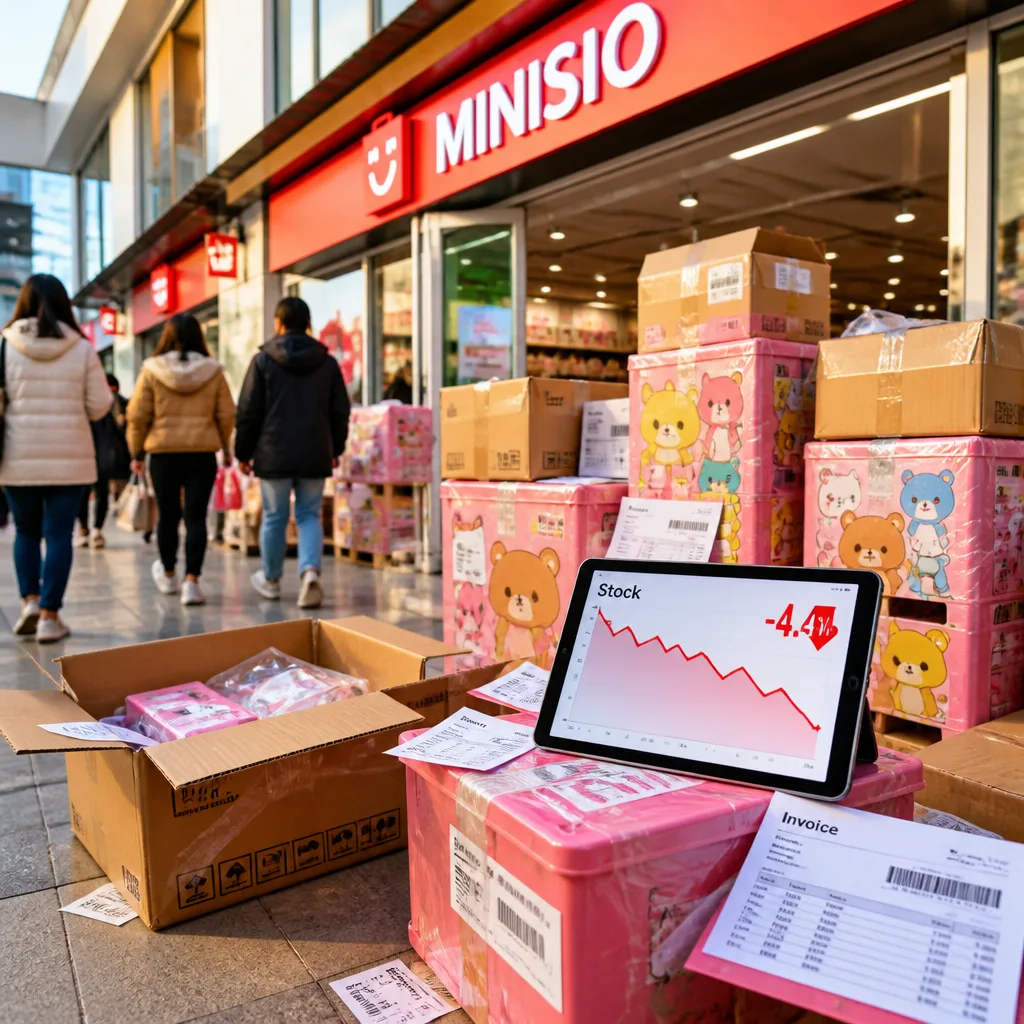
Following the filing to the Hong Kong Stock Exchange, Miniso’s shares fell by 4.4% in Nasdaq trading as markets weighed the impact of increasing expenses on future margins.
Global footprint and customer membership growth
Miniso said its network at mid‑year comprised 8,309 stores globally, including 4,665 in the Chinese mainland and 3,644 in overseas markets. The group has expanded into 113 countries and regions, entering the Swiss market in the second quarter.
Customer membership, a key revenue driver, showed notable growth. In mainland China membership rose by 31% year‑on‑year to about 130 million, contributing 77% of local sales. In the United States the number of members more than doubled to roughly 5.8 million, accounting for 60% of local sales.
“Moving forward, Miniso will keep focusing on its dual drivers: IP and large‑format stores. We aim to unlock deep brand equity via our IP ecosystem and reshape retail experiences through large‑format stores,” the company said in a statement.
The retailer has been building its proprietary IP products and emphasising membership as part of its strategy to drive higher spend per customer. Its product categories include lifestyle, beauty and toys, and it has attracted high‑profile visitors in China, such as Maye Musk earlier this month.
What the numbers show
The interim results underline a familiar retail dynamic: strong top‑line growth can coexist with margin pressure when costs escalate. For Miniso, the rise in distribution and selling expenses—nearly 40%—eroded some of the benefit from stronger sales and investment gains.
| Metric | First half (Jan–Jun) | Year‑on‑year change |
|---|---|---|
| Revenue | ¥11.5 billion | +22% |
| Net profit | ¥956.6 million | +5.6% |
| Selling & distribution expenses | ¥3.0 billion | ≈+40% |
| Store count (mid‑year) | 8,309 total (4,665 mainland; 3,644 overseas) | — |
- Membership growth is central to Miniso’s sales strategy, with mainland members up 31% and US membership doubling.
- International expansion continues: the chain now operates in 113 countries and regions.
- Cost control will be watched closely by investors after a near 40% rise in distribution and selling expenses.
For shoppers and observers of the fast‑paced lifestyle retail sector, Miniso’s results highlight two trends: the strength of membership‑driven sales and the vulnerability of retail margins to rising operational costs. The company has signalled it will pursue growth through intellectual property and larger store formats, but delivering healthy returns while managing expenses will be the immediate challenge that investors and management must resolve in the coming months.
As global retailers face higher logistics, labour and marketing costs, Miniso’s experience is a reminder that expansion and innovation need to be matched by careful cost discipline if profitability is to keep pace with revenue growth.