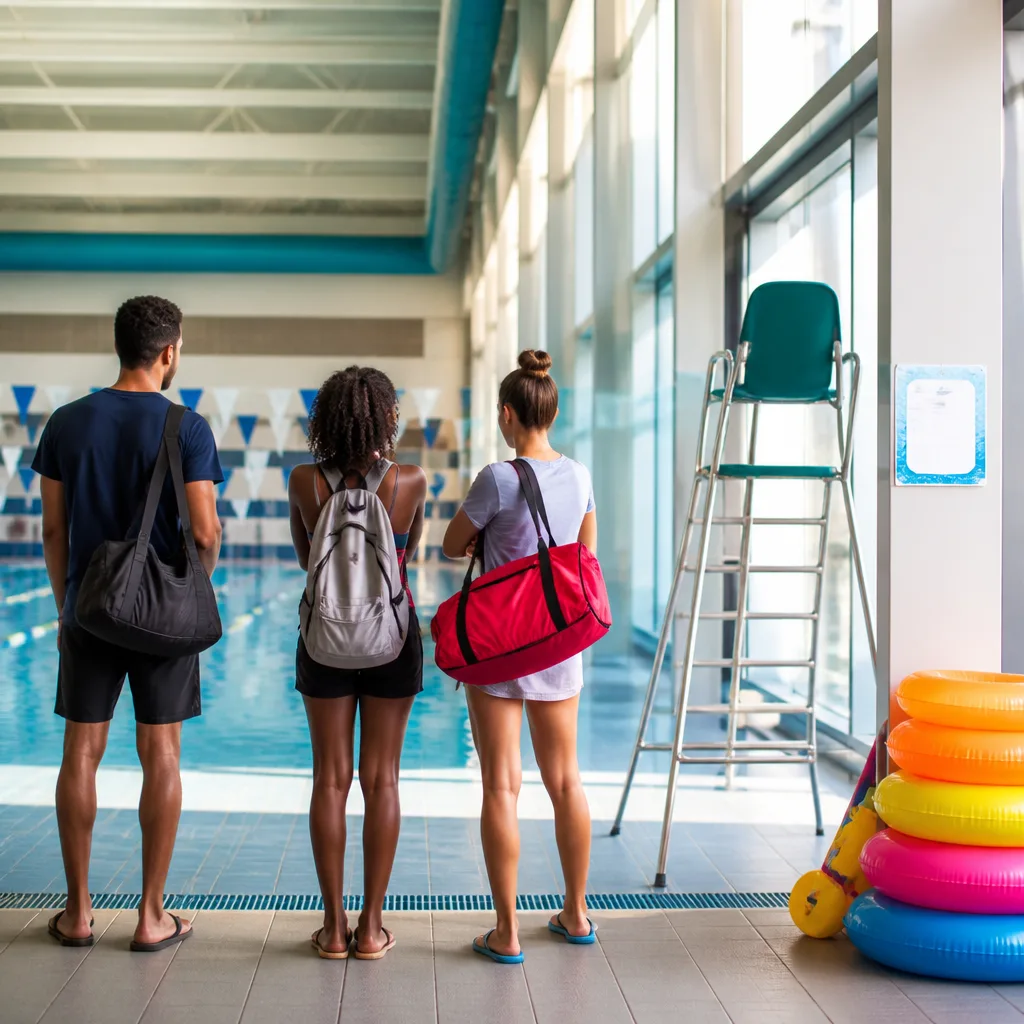
Large sections of Britain remain unable to swim, with the burden falling disproportionately on some communities, according to figures that policy makers and public‑health campaigners say should prompt urgent action.
Data published by Swim England, drawn from a survey of 4,500 people, found that 67% of black women and 44% of black men in England cannot swim 25 metres unaided. By comparison, the proportions for white people are much lower — 17% of white women and 12% of white men cannot reach the same distance.
Human cost and context
The numbers come into sharper relief after a record‑breaking hot summer when a spike in recreational water use coincided with a number of tragic deaths in lakes, rivers and the sea. While official statistics for 2026 are not yet available, previous years have shown black children and adults are over‑represented in drowning figures, along with other groups identified by Swim England such as people from lower income households, some South Asian communities, Muslim people and children known to social care.
The survey findings sit alongside personal accounts of adults who never mastered swimming as children. One reporter who took a first lesson in over a decade described the anxiety on entering the pool and the small, incremental steps required to feel at home in the water — learning to breathe, submerge and let the water support rather than intimidate.
Where the disparity appears
- Black women: 67% cannot swim 25m unaided.
- Black men: 44% cannot swim 25m unaided.
- White women: 17% cannot swim 25m unaided.
- White men: 12% cannot swim 25m unaided.
Swim England compiled the figures as part of wider research into participation and barriers to swimming. The group has long highlighted socioeconomic and cultural factors that make access to lessons uneven — from the availability of affordable pool time to confidence and representation in aquatic settings.
Policy and education implications
All children in the UK are supposed to leave primary school able to swim, yet these survey results underscore gaps in delivery and take‑up. The scale of the disparity suggests that simply mandating school lessons will not on its own close a long‑standing divide. Community outreach, targeted funding and efforts to remove practical and cultural barriers are among the measures advocates say are needed.
Campaigners point to a mixture of causes behind low participation in swimming among some groups: limited local facilities, the cost of lessons, lack of familiar or representative instructors, religious and cultural considerations around mixed changing and swimming, and a legacy of exclusion which can mean generations of parents never passing skills to their children.
| Group | Cannot swim 25m unaided |
|---|---|
| Black women | 67% |
| Black men | 44% |
| White women | 17% |
| White men | 12% |
Those figures were published in 2022 but remain relevant as seasonality and climate trends increase the number of people seeking open‑water recreation. Observers caution that without tailored interventions the same groups will continue to face elevated drowning risk.
"Learn to swim," one commentator wrote after this summer's incidents — a stark reminder of the safety stakes behind the survey data.
Addressing the problem will require co‑ordinated effort between national bodies, local authorities and community organisations. Practical solutions suggested by campaigners include subsidised lessons for low‑income families, culturally sensitive provision and outreach programmes that build confidence as well as technique.
The gulf in swimming ability is both a safety issue and a symptom of wider inequality. As Britain continues to experience hotter summers and more outdoor water use, the human consequences of the gap are likely to become more visible unless policy and community action narrow it.