The World Health Organization has warned that the Gaza Strip is at serious risk of a major public‑health emergency as winter rains approach, after recent testing showed a marked decline in water quality and a sharp rise in acute diarrhoea cases.
Contamination and disease are rising
WHO officials said testing of about 6,700 water samples during the first eight months of 2026 revealed a substantial increase in microbiological contamination. The proportion of samples showing contamination rose from under 6% in January to more than 18% in August, according to the agency.
At the same time, reported cases of acute diarrhoea in the territory have nearly doubled since March — rising from roughly 27,000 cases to over 48,000. The WHO cautioned that the onset of cold, wet weather could make the situation much worse by spreading sewage and other contaminants into areas where people are living.
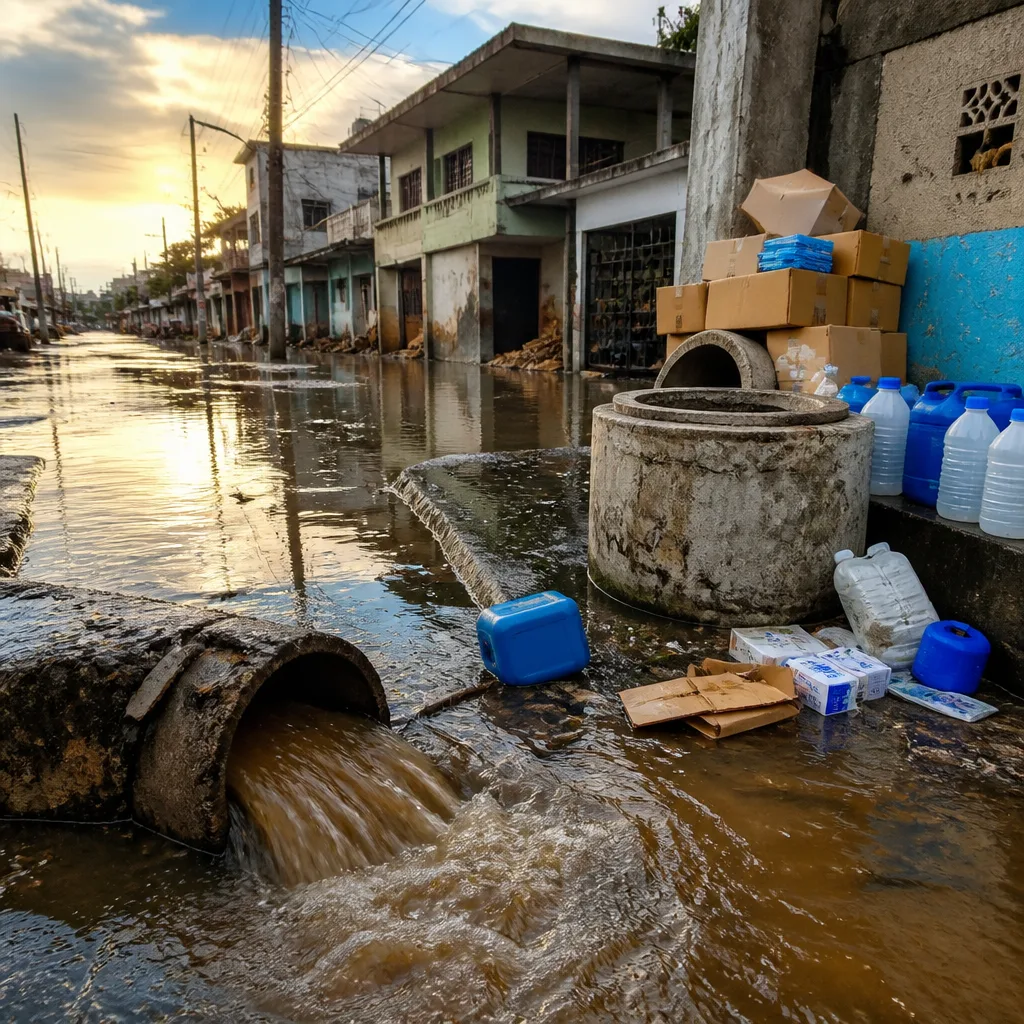
“Potential flooding resulting from winter rains will send the sewage, the waste and contaminated water into the places where people sleep, cook and care for their loved ones,” said Reinhilde Van de Weerdt, the WHO’s representative in the Palestinian territories.
Humanitarian access and infrastructure needs
WHO representatives stressed that there remains a window of opportunity to stem a large‑scale health disaster but said immediate, unimpeded delivery of essential supplies is critical. The agency listed urgent priorities including materials for permanent shelter, and items to re‑establish sustainable water and waste‑management systems. Additional laboratory supplies were also highlighted as needed to maintain surveillance and case management.
Those calls reflect a broader challenge: extensive damage to infrastructure across the territory and restrictions on movement have limited access to functioning water networks, sanitation services and reliable shelter, leaving many people exposed to environmental health risks.
What the data show
The WHO figures point to both a deterioration in environmental conditions and a rise in clinical disease. Presented below are the key data reported by the agency for the first eight months of 2026.
| Measure | January | August |
|---|---|---|
| Microbiological contamination of water samples | Under 6% | Over 18% |
| Reported acute diarrhoea cases | ~27,000 (March figure) | Over 48,000 |
Implications and limits of the data
Rising contamination rates and diarrhoea case counts are consistent with failing water and sanitation systems, but observational surveillance cannot alone identify the full range of drivers. The WHO data reflect testing of thousands of samples and routine disease reporting, which are robust indicators of trend, yet they do not by themselves attribute causation to any single factor. For example, population displacement, overcrowded shelters and interruptions to power and waste removal services all worsen risks of faecal‑oral transmission of pathogens.
Experts typically note that diarrhoeal disease increases when clean water and sanitation break down; peer‑reviewed literature supports the link between contaminated water supply and outbreaks of enteric infections. However, confirming the precise aetiology of the diarrhoea surge in Gaza requires microbiological and clinical investigation, which depends on resupply of laboratory reagents and safe access for health teams.
WHO appeal and next steps
The WHO has urged that humanitarian routes be kept open and expedited to allow delivery of shelter materials, water‑treatment and waste‑management equipment, and laboratory supplies. Without those measures, the agency warned that winter rains could amplify contamination, increasing the likelihood of widespread infectious disease, particularly among displaced and unprotected populations.
- Immediate priorities: shelter materials, water and waste‑management supplies, laboratory reagents.
- Seasonal risk: winter rains may disperse sewage and contaminated water into living spaces.
- Surveillance needs: continued sample testing and clinical monitoring to guide response.
Timely, sustained humanitarian access and repairs to water and sanitation infrastructure will be key to preventing a larger scale public‑health catastrophe, according to WHO officials.