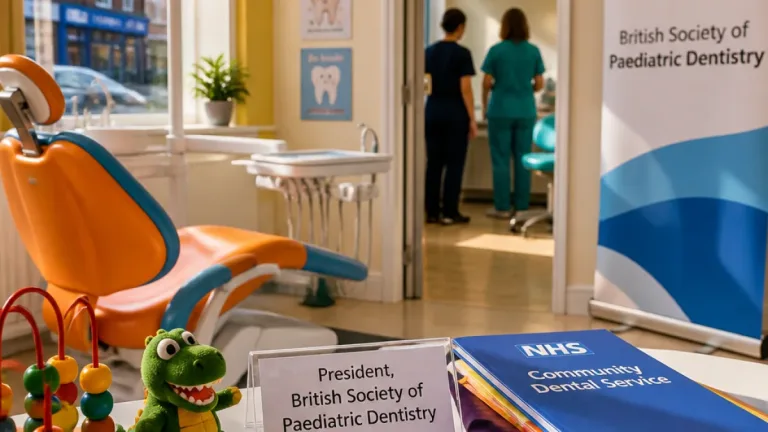
Almost a third of five-year-old children in Blackpool have tooth decay, newly released figures show, placing the seaside resort among areas with the worst childhood oral health in England.
"While we know there is still more to do, these improvements show we’re moving in the right direction and closing the gap between Blackpool and the national picture"
The survey by the Government's Office for Health Improvement and Disparities reports a decay prevalence of 32.1% among five-year-olds in Blackpool, compared with 22.4% across England. The local authority is one of 23 council areas where tooth decay is recorded as significantly worse than the national rate.
Dental attendance and recent trends
Blackpool Council data also indicate a rise in NHS dental attendance among children: 57.4% of children in the resort saw an NHS dentist in the year to March 2026, up from 48.9% two years earlier. That local rate remains slightly below the England average of 58.9%.
Local health leaders highlight a combination of targeted prevention initiatives aimed at reducing decay and improving access to dental services. The council says it runs several programmes directed at different age groups, delivered through partnerships with community organisations and schools.
- Supervised tooth‑brushing scheme: through a partnership with Better Start, 1,605 younger children have been enrolled in a programme delivered by childminders, nurseries and schools.
- Fluoridated milk: provided in all primary schools as part of the universal free breakfasts provision.
- GULP campaign (Give Up Loving Pop): an annual initiative to discourage consumption of sugary drinks.
- Fit2Go classes: delivered to all Year 4 pupils and including sessions on oral and dental health.
- Oral Health Strategy 2023–28: a local framework setting out priorities for prevention and early intervention.
What the figures mean and their limits
The figures identify significant local inequalities in oral health. They do not, however, establish direct cause and effect between any single intervention and changes in decay rates. Improvements in dental attendance and small declines in some measures can be consistent with enhanced outreach, but proving the effectiveness of particular programmes requires robust evaluation, including controlled studies and longer follow‑up.
Public‑health experts typically caution that childhood tooth decay is multifactorial: diet, access to dental services, water fluoridation, socioeconomic factors and parental health behaviours all play roles. National and local strategies therefore often combine clinical care with prevention campaigns and community‑based measures.
| Measure | Blackpool | England |
|---|---|---|
| Tooth decay prevalence (five‑year‑olds) | 32.1% | 22.4% |
| Children seen by an NHS dentist (year to Mar 2026) | 57.4% | 58.9% |
| Children seen by an NHS dentist (two years earlier) | 48.9% | — |
The council stresses the upward trend in dental attendance and points to its prevention measures as part of a broader effort to close the gap with national averages. Officials also say they are continually reviewing local services and targeting outreach to the youngest children.
For policy makers, the data underline persistent geographic inequalities in child oral health across England. If reductions in decay are to be sustained and accelerated, independent evaluations of local programmes — and consideration of national measures such as wider fluoridation where appropriate — will be necessary to identify which interventions deliver the greatest public‑health benefit.
In the meantime, the Blackpool figures act as a reminder that, despite improvements in some metrics, tooth decay remains a common and preventable childhood disease in parts of the country. Continued monitoring, targeted prevention and accessible NHS dental services are likely to remain central to any strategy aiming to reduce these inequalities.