Local scheme turns a park discovery into a weekly lifeline
A community table tennis programme in Lewes has become a modest but important local resource for people living with Parkinson’s, offering tailored activity, social contact and peer support.
The scheme began after a local resident, Clare Carroll, discovered a table tennis table in a park in 2023 and realised the sport was accessible to her despite the limitations she faces with Parkinson’s. Her experience prompted the Lewes and District Parkinson’s UK Support Group to consult members about activities they would like to see. Table tennis emerged at the top of the list.
With backing from Parkinson’s UK’s Physical Activity Grants and equipment support through Table Tennis England’s Ping in the Community programme, the group secured venue hire and bought new kit. Sessions began in March 2025 and, in the 18 months since, the programme now attracts more than 20 regular weekly attendees.
- Sessions are designed to be inclusive and accessible for people with Parkinson’s of different ages and abilities.
- Experienced instructors offer tailored advice and support, with volunteers — including partners and carers — assisting each week.
- Play is free for participants, with donations to the group welcomed to help sustain the programme.
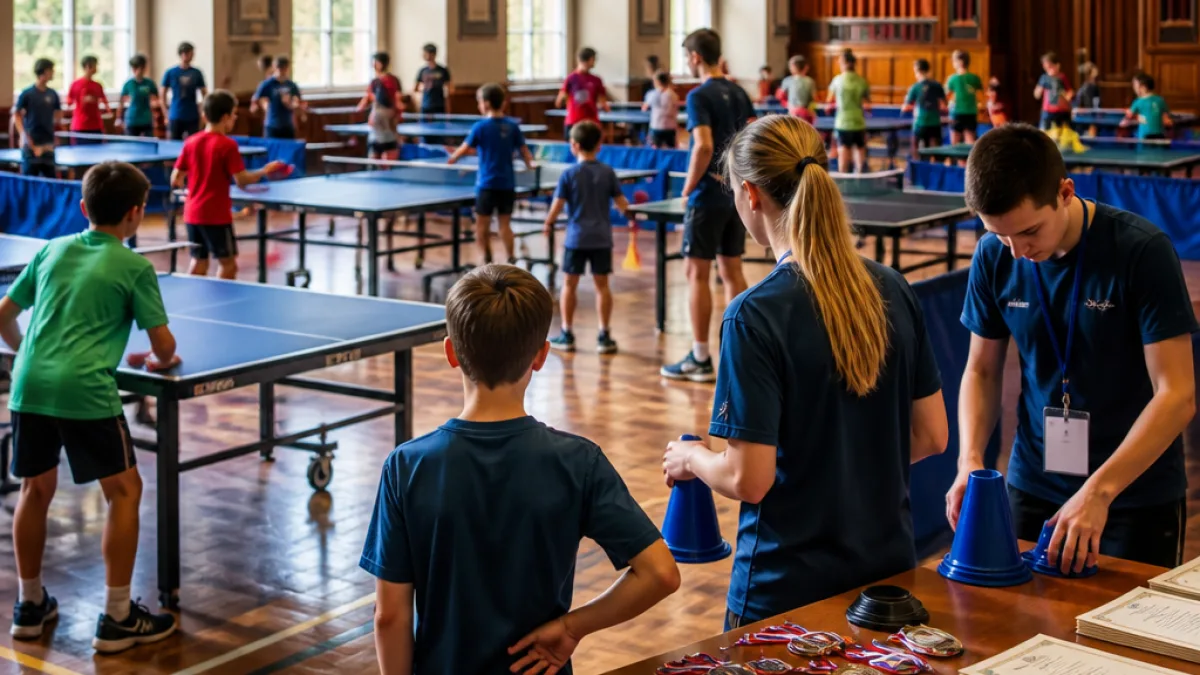
The classes combine coached practice with casual play. The organisers operate a flexible format: there is typically a singles table and a doubles table, players rotate every 10 minutes or so, and regular breaks are offered to rest or socialise. The emphasis is on being active together in a relaxed, enjoyable setting rather than on competition.
"Sessions are free for all participants to attend, with donations to the group also welcome."
Club organisers stress the importance of the social element. For many members, the opportunity to meet others with a shared experience of Parkinson’s has been as valuable as the physical benefits of the sessions. Volunteers who join because a partner or loved one lives with Parkinson’s report that playing together each week has strengthened relationships and provided mutual understanding.
Local context and consequences
Lewes, like many towns in the region, faces pressures on community health and social care resources. Small, locally led initiatives such as this table tennis programme can relieve isolation, encourage physical activity and offer low-cost, preventative support that complements formal health services.
By using modest grants to cover hire and equipment and drawing on volunteer time, the Lewes group has created a sustainable model that could be replicated elsewhere in East Sussex. The visible growth to more than 20 regular attendees in under two years suggests latent demand among people with long-term conditions for activity sessions that are adapted to their needs.
Voluntary and community groups considering similar initiatives should note three practical points demonstrated in Lewes:
- Simple consultation with members can identify the most wanted activities and ensure high take-up.
- Small grants can overcome initial barriers such as venue cost and specialist equipment.
- Combining coaching with volunteer support, and keeping sessions free or low-cost, encourages sustained participation.
For participants, the immediate benefits are straightforward: regular movement, an enjoyable social routine and an activity that adapts to fluctuating energy and mobility. For the town, the scheme represents a cost-effective way to help residents live better with a long-term condition while strengthening community ties.
| Detail | Figure |
|---|---|
| Programme start | March 2025 |
| Regular weekly attendees | More than 20 |
| Funding source | Parkinson’s UK Physical Activity Grants |
The Lewes and District Parkinson’s UK Support Group continues to welcome participants and volunteers. The programme shows how modest investment and local initiative can make a real difference to day-to-day life for people living with Parkinson’s in Lewes.