The World Health Organization (WHO) has warned that the 2026 Ebola outbreak in the Democratic Republic of Congo (DRC) is progressing in a way that could make it the deadliest recorded, with the agency saying the epidemic may "eclipse" the 2014–2016 outbreak if transmission continues at its present pace.
Scale and speed of the outbreak
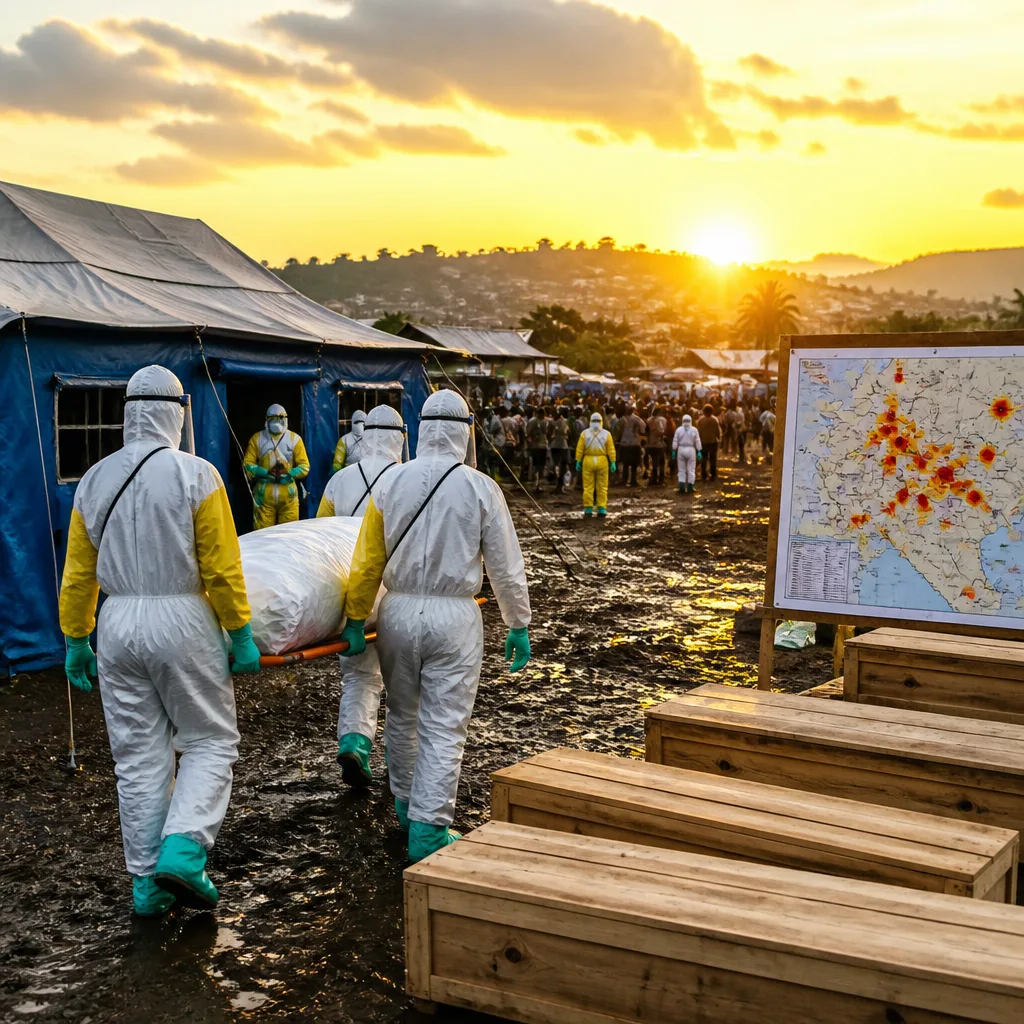
Since officials declared the outbreak on 15 May, health authorities have recorded at least 4,300 cases and more than 2,000 deaths. WHO director-general Tedros Adhanom Ghebreyesus cautioned reporters that, if trends persist, this epidemic could surpass the 2014–2016 West Africa crisis, which resulted in at least 11,000 deaths.
"At its current pace" the outbreak would "eclipse" the 2014-2016 occurrence, WHO’s director-general said.
WHO Africa director Dr Mohamed Janabi said the response teams are “chasing the virus” and that the pathogen is currently ahead of them. He cited research indicating the virus began circulating in February and was initially mistaken for illnesses such as malaria or typhoid, delaying containment efforts.
Unusual strain and treatment limitations
Public health officials emphasise that the outbreak is caused by the Bundibugyo species of Ebola — a comparatively rare variant previously recorded only in 2007 and 2012. Crucially, there are currently no approved vaccines or recognised therapeutics specifically licensed for this species, limiting tools available for rapid interruption of transmission.
In the UK, the Medicines and Healthcare products Regulatory Agency (MHRA) has authorised the first human trials of an Oxford University vaccine candidate aimed at Bundibugyo — an important step for research but one that will not deliver immediate protection for communities on the ground.
Operational challenges impede control
Response teams face multiple obstacles. Ongoing instability in the eastern DRC has curtailed access to affected communities and undermined surveillance and treatment efforts. Dr Janabi reported that health workers are reaching only about 30% of cases, meaning a majority of infections may not be detected or isolated promptly.
- Declared: 15 May 2026
- Reported cases: at least 4,300
- Reported deaths: more than 2,000
- Species: Bundibugyo Ebola
- Vaccine/therapeutics: no approved options for this species; human trials approved by MHRA
| Metric | 2026 DRC outbreak | 2014–2016 West Africa |
|---|---|---|
| Reported deaths | more than 2,000 | at least 11,000 |
| Reported cases | at least 4,300 | larger total, many uncounted |
Implications and limits of current data
WHO has set an objective to reverse the epidemic’s trajectory within three months by bringing transmission under control, but officials stress that this would not mean the outbreak is over. The distinction matters: reversing spread implies cutting the reproduction of the virus so fewer people become infected, while ending an outbreak requires sustained interruption of transmission and comprehensive surveillance.
There are important caveats to the available figures. The epidemic was only officially declared in mid-May, and retrospective analyses suggest the virus circulated for months beforehand. Under-ascertainment is likely where health teams cannot access communities, so reported totals may substantially understate true incidence and mortality.
For the UK and international scientific community, the MHRA’s approval of early human trials represents a research milestone. However, clinical evaluation and regulatory review take time; emergency use at scale depends on evidence of safety and effectiveness, as well as manufacturing and distribution capacities — factors that do not change the immediate needs of affected populations.
WHO warnings underline the urgent need for increased access, rapid diagnostics, community engagement and security for health workers. In complex humanitarian and security contexts, these operational elements are as determinative of outcomes as the availability of vaccines or drugs.