Local clinic set up to tackle low screening rates
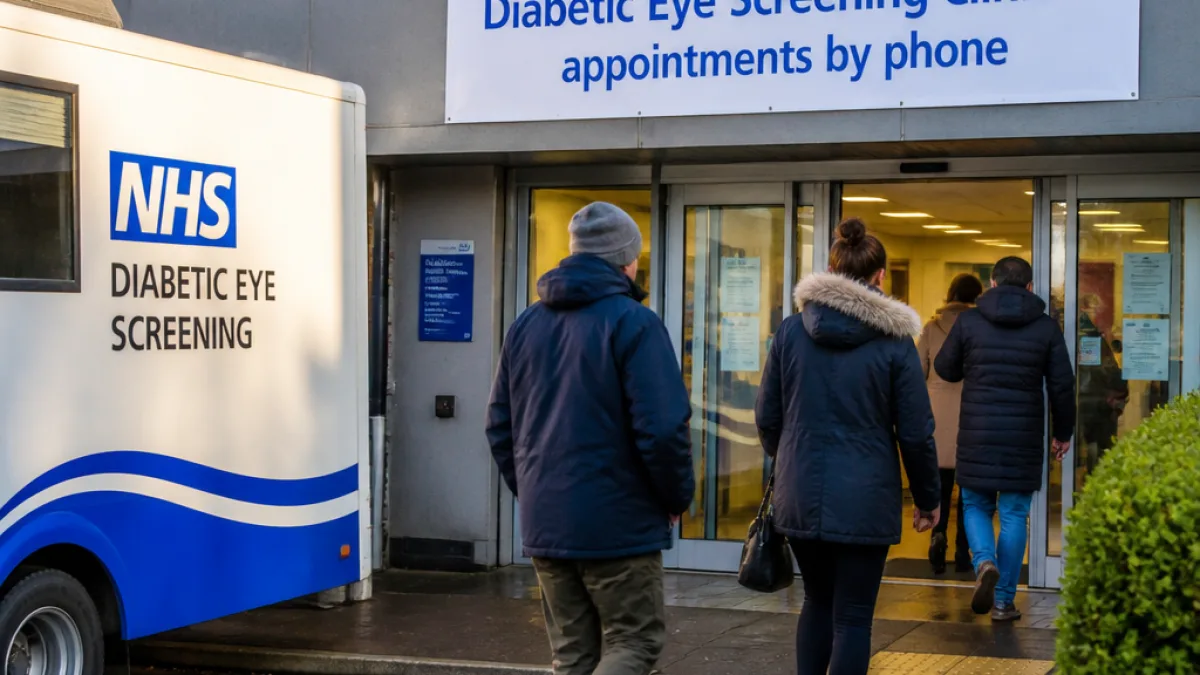
A new diabetic eye screening clinic has opened at St Catherine’s Health Centre in Birkenhead as part of the Wirral Diabetic Eye Screening Programme delivered by Wirral University Teaching Hospital (WUTH). The service is intended to increase screening uptake in Birkenhead, which has historically lagged behind other parts of Wirral.
The clinic provides screening for everyone aged 12 and over with type 1 or type 2 diabetes, and appointments can be booked by phone. The programme’s early months have already identified people who had either never been screened or who stopped attending appointments, and a small number of patients have been referred for further assessment or monitoring.
Why the clinic matters
Diabetic eye disease often produces no symptoms in its early stages. That means routine screening is the only reliable way to spot the changes that, left untreated, can lead to sight loss. When problems are detected early, treatment and close monitoring can prevent significant deterioration.
- Who is eligible: People aged 12 and over with type 1 or type 2 diabetes.
- How to book: Appointments available by phone via the Wirral diabetic screening service.
- Where: St Catherine’s Health Centre, Birkenhead.
First-hand accounts and clinical perspective
Optometrist Kirsty Jackson, who has been carrying out screening at the new clinic since it opened, said the service was already making a difference by reaching people who had not attended for some time. She emphasised that early detection allows conditions to be referred for treatment before vision is significantly affected.
“The new clinic at St Catherine’s Health Centre is already making a real difference. We’re seeing people who haven’t attended diabetic eye screening for several years… and we’re identifying diabetic eye disease that can now be referred for treatment before it has a significant impact on vision.”
The comments underline a simple but uncomfortable truth: once sight is lost from diabetic eye disease, treatments can only aim to prevent further decline. Screening is therefore the single most effective way to keep people’s sight safe.
Patient response
Local residents have welcomed the new facility. One early patient, a 67-year-old man from Prenton who drives for a living, said the clinic was convenient, simple to book into via his GP and easy to reach with parking nearby. He encouraged others with diabetes to make use of the service, stressing that eyesight is something people often only appreciate when it begins to fail.
That practical accessibility — close to home, straightforward booking and parking — is a key part of the clinic’s aim to tackle historically low attendance in the Birkenhead area. Clinical teams hope the convenience will overcome barriers such as transport, work commitments and appointment fatigue which can stop people attending regular screening.
| Feature | Details |
|---|---|
| Location | St Catherine’s Health Centre, Birkenhead |
| Provider | Wirral University Teaching Hospital (WUTH) |
| Eligible patients | People aged 12+ with type 1 or type 2 diabetes |
| How to book | Phone bookings via the Wirral diabetic screening service |
What this means for Birkenhead
For Birkenhead, improving diabetic eye screening uptake is a public health priority. Even small increases in attendance can mean cases of diabetic retinopathy are caught earlier, reducing the burden on hospital eye services and, more importantly, protecting people’s independence and quality of life.
The early signs from the clinic are encouraging: reaching people who had never been screened or who had not attended for some time is the first step to reducing preventable sight loss in the town. Local GPs and community services will play a central role in ensuring patients know about the clinic and are supported to attend.
Anyone eligible for diabetic eye screening in Birkenhead should contact their GP or the Wirral diabetic screening programme to book an appointment and keep their sight under regular review.