Support at Morriston Hospital restores practical skills and confidence
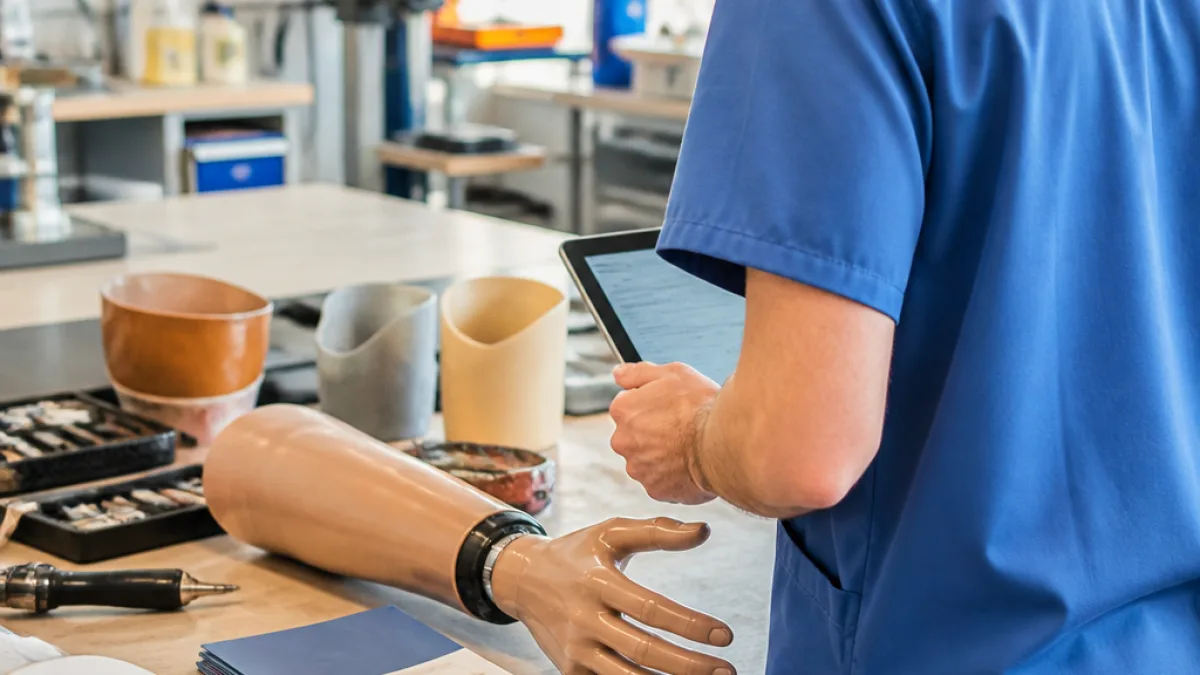
Swansea Bay University Health Board has helped a former soldier return to everyday tasks after he lost an arm in a serious lorry crash in November 2022. The patient received a bespoke prosthetic from the Artificial Limb and Appliance Service (ALAS) at Morriston Hospital and took part in a new online course aimed at helping amputees adjust to life after limb loss.
The man, a 45-year-old father of three from west Wales, had been driving a lorry near Whitland when the vehicle was involved in a collision with two other lorries. He was rescued by firefighters and flown by Wales Air Ambulance to Morriston Hospital. He spent eight weeks in hospital, including five weeks in an induced coma, and woke to find he had lost his right arm below the elbow.
| Event | Date / Detail |
|---|---|
| Collision near Whitland | November 2022 |
| Hospital stay at Morriston | Eight weeks, five in induced coma |
| Rehabilitation support | ALAS prosthetic fitting and online course |
After the accident he described struggling with his mental health and body image, withdrawing from social situations and avoiding everyday activities such as shopping. Through the combination of practical rehabilitation and psychological support delivered by ALAS, he has been able to return to tasks many people take for granted — preparing meals, changing bed covers and other household chores.
“In the early stages after the accident I did struggle with my mental health, in coming to terms with the loss of my arm. I was very conscious about my body image. And I didn’t want to see anybody, I didn’t want to do anything.”
The patient credited the Navigating Life After Amputation course — developed jointly by ALAS and partner teams in Cardiff and Vale and Betsi Cadwaladr health boards — with providing wellbeing support and peer encouragement alongside the physical rehabilitation. The programme is intended to complement the existing prosthetic services offered at Wales’ three specialist centres in Cardiff, Swansea and Wrexham.
This case highlights a couple of notable elements of local services at Morriston Hospital. First, the ALAS team provides bespoke prosthetic solutions tailored to an individual’s needs. Second, there is increasing recognition within the health boards that psychological and peer support are essential parts of rehabilitation after major limb loss.
- Practical support: bespoke prosthetic fitting to restore function.
- Mental wellbeing: online course offering psychological tools and peer support.
- Integrated care: collaboration across Welsh prosthetic centres in Cardiff, Swansea and Wrexham.
For Swansea and surrounding communities, the story underlines both the capabilities of local specialist services and the ongoing challenges faced by people returning to normal life after traumatic injury. The combination of physical aids and mental health support reflects a broader shift in rehabilitation care that places equal emphasis on functional independence and emotional recovery.
Clinicians and patient groups have for some time argued for expanded access to multidisciplinary care after amputation, emphasising how practical training, psychological counselling and peer networks reduce isolation and improve long-term outcomes. This patient’s experience offers a local example of those recommendations being put into practice at Morriston Hospital.
While every case is different, the Swansea-based service’s approach — bespoke prosthetics plus structured wellbeing support — provides a blueprint for how hospitals can help people adapt to life after limb loss and reclaim everyday routines that many of us take for granted.