The World Health Organization has warned that the current Ebola outbreak in the Democratic Republic of Congo began several months before it was officially recognised, leaving health services in a reactive position as they attempt to contain virus transmission.
Delayed recognition and rapid spread
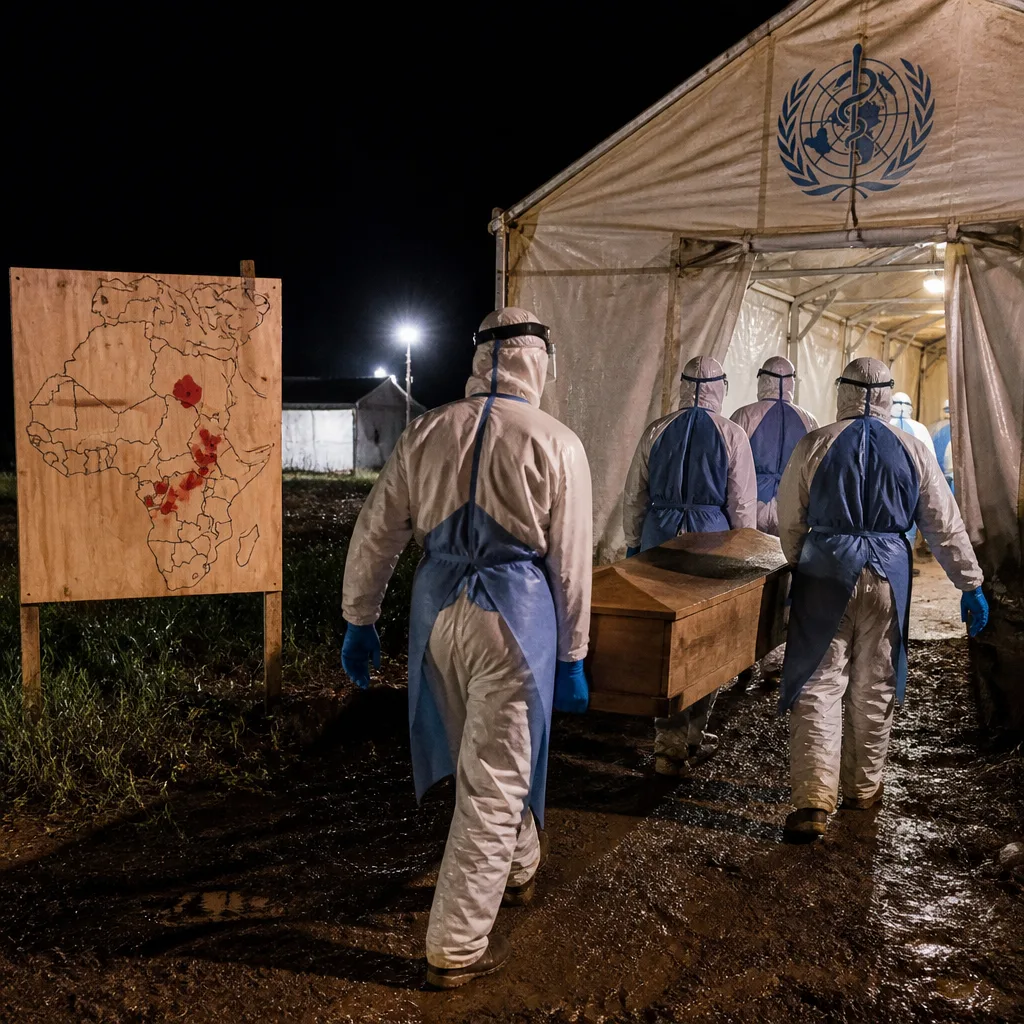
WHO officials say research indicates the virus was circulating as early as February, yet the outbreak was not formally declared until 15 May. That delay, combined with active conflict in the region and community resistance, has contributed to sustained transmission and a rising death toll.
“We are chasing the virus, the virus is ahead of us,” WHO Africa director Dr Mohamed Janabi said at a press conference in Bunia, the city at the heart of the response.
The outbreak is caused by the Bundibugyo species of Ebola virus. Unlike outbreaks driven by the Zaire strain, Bundibugyo presents particular challenges: there is currently no licensed vaccine or widely accepted antiviral therapy for this species, complicating both prevention and clinical management.
Scale and immediate challenges
According to the DR Congo health ministry, there have been 4,294 confirmed cases and 1,960 deaths since the declaration on 15 May. Those figures make this the second‑worst Ebola epidemic on record, after the 2014–2016 west Africa outbreak.
| Measure | Count |
|---|---|
| Confirmed cases | 4,294 |
| Deaths | 1,960 |
| Declaration date | 15 May |
WHO officials say case ascertainment remains incomplete: insecurity has restricted access to affected communities and, at times, health teams can reach only a fraction of suspected patients. In some areas, the organisation estimates that around 30% of cases are being reached by health services; many others are reportedly dying at home without medical care.
Factors hindering control
- Misdiagnosis: Early cases were often mistaken for malaria or typhoid, delaying identification of Ebola and facilitating onward spread.
- Security constraints: Conflict and unsafe access limit outreach, contact tracing and safe burials.
- Community practices and trust: Traditional funeral rites that involve touching the deceased, together with suspicion of authorities in some communities, have impeded safe burial and infection‑prevention measures.
These same features—late detection, limited reach of health teams and social barriers—are recognised drivers of epidemic growth in peer‑reviewed analyses of viral haemorrhagic fever outbreaks. While the source material does not include new academic publications, the pattern described by WHO aligns with known public‑health principles: delayed diagnosis and inadequate contact tracing increase opportunities for transmission, while insecurity and distrust undermine intervention delivery. It is important to distinguish observation from attribution: the data show associations between these factors and ongoing spread, but quantifying each factor's precise contribution requires further detailed epidemiological study.
Response and implications
Health authorities in eastern DR Congo have established multiple treatment centres and report improved diagnostic turnaround in some areas, but the absence of an approved vaccine or recognised therapeutics for the Bundibugyo species substantially limits options to prevent infection and reduce mortality. The humanitarian and public‑health challenge is intensified by the virus's reach beyond controlled zones, increasing the risk of further spread.
The current outbreak underscores several policy and operational priorities for international health agencies and national governments: strengthen early‑warning surveillance so chains of transmission are identified sooner; secure safe corridors to permit community engagement and clinical access in insecure areas; and intensify research into vaccines and therapeutics that are effective across Ebola species.
For the UK and other countries, the immediate public‑health risk remains low for the general population; however, outbreaks of this scale demand sustained international support for containment, clinical care capacity and research. The situation also highlights the broader global health challenge of responding to outbreaks in settings where conflict and mistrust constrain conventional public‑health measures.
As WHO and partners continue to scale response efforts, independent peer‑reviewed investigations will be needed to document transmission dynamics in detail, assess the effectiveness of interventions deployed, and inform preparedness for future outbreaks of diverse Ebola species.