An analytical column assessing India’s science landscape on the nation’s 80th Independence Day argues that the country has largely solved the first, essential problem of scientific power — creating a sufficiently large, prosperous and educated population — and now faces the harder task of converting that scale into a tightly connected, repeatable system for frontier research.
Population scale achieved; systems and links remain
The piece observes that India already has a substantial pool of adults above the purchasing‑power parity median of advanced countries. It estimates that roughly 20–30 million Indian adults may already exceed the British median income at purchasing‑power parity, and that this number could rise to 40–55 million over the next decade. By this measure, India contains a potential socio‑economic base comparable to nations that sustain high levels of scientific output.
"My thesis is that India has largely solved the first problem of scientific power: creating a sufficiently large, prosperous and educated population."
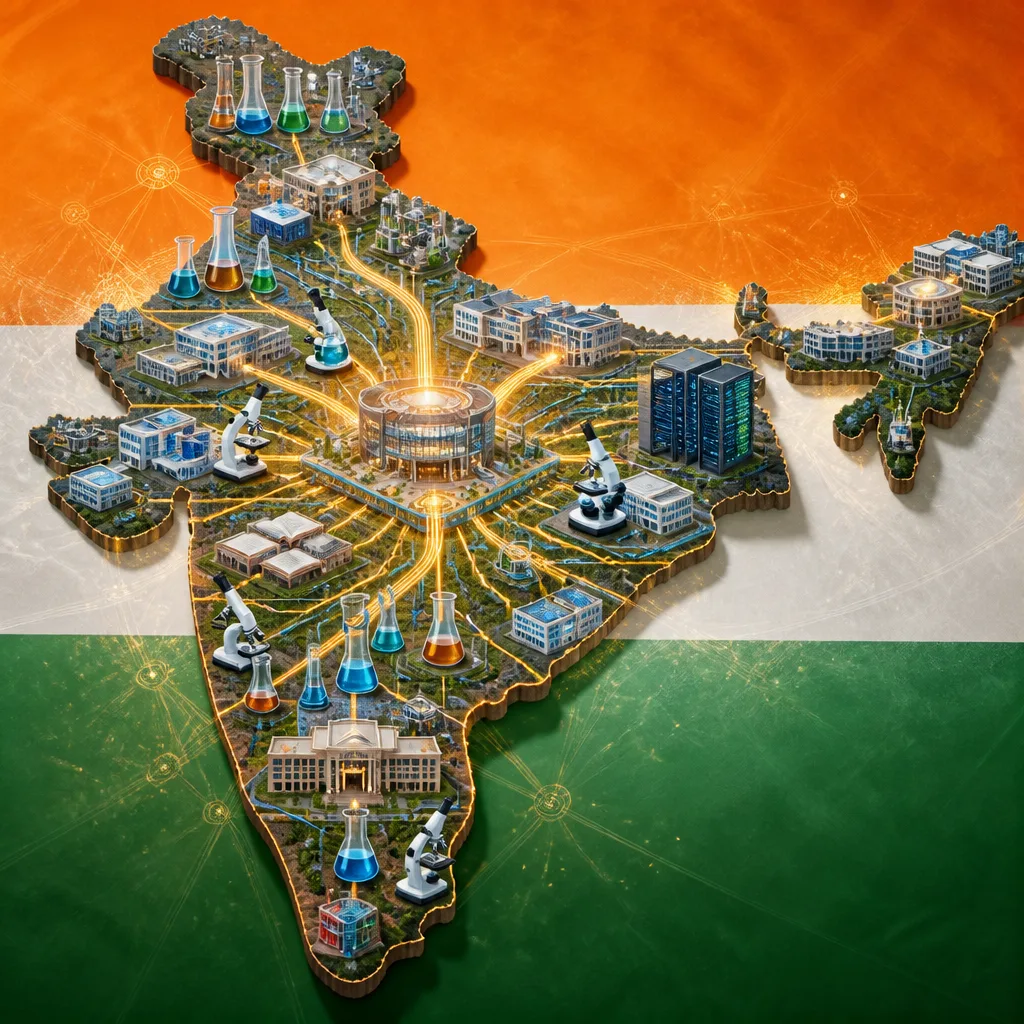
The author argues that matching demographic and economic scale with scientific excellence requires densely connecting that population, elite institutions and the global diaspora so the system reliably produces work at the world frontier.
Where India stands by metrics
Using bibliometric comparisons, the column notes disparities across fields. It cites the Nature Index and similar measures to show that while Britain’s overall scientific output remains about twice India’s, the gap narrows in certain areas:
- Physical sciences: Britain to India ratio roughly 1.4:1.
- Applied sciences: ratio roughly 1.6:1.
- Chemistry: India exceeds Britain on some measures.
By contrast, the column suggests the larger gap in biology and medicine points to deficits in infrastructure and long‑term investment rather than any intrinsic inability to perform excellent research.
Policy and investment priorities
The author sets out a pragmatic agenda for the coming decade. Central to this is improving the connectivity among talent clusters, both within India and between India and its global scientific diaspora, and bolstering research infrastructure where it is weakest. This includes long‑horizon funding, shared facilities, and mechanisms that make it easier for researchers to collaborate across institutions and disciplines.
Concrete implications for policy include:
- Targeted capital investment in laboratory and clinical infrastructure for biological and medical research.
- Stronger incentives and easier channels for diaspora collaboration and return visits.
- Policies that encourage inter‑institutional networks and shared facilities to reduce duplication and raise quality.
Lessons and caveats
The column cautions against overclaiming. It does not predict India will immediately rival the United States or China; rather, it offers a more modest comparator — the United Kingdom — as a realistic benchmark for what India could achieve by aligning scale with systems. The analysis emphasises that prosperity and population size are necessary but not sufficient conditions for sustained world‑class science. Institutional linkages, infrastructure and consistent funding trajectories also matter.
In practical terms, converting demographic scale into sustained scientific leadership requires long lead times and patience: building high‑quality biomedical infrastructure, for example, cannot be rushed, while cultural and administrative barriers to collaboration must be addressed deliberately.
As India contemplates the next decade, the column frames the challenge as systemic rather than merely numerical. The country already houses a significant reservoir of human capital; the task ahead is to ensure that talent is densely networked, properly supported and steered by policy choices that favour durable research capacity over short‑term metrics.