The Union government will establish dedicated critical-mineral processing parks in Gujarat, Maharashtra, Andhra Pradesh and Odisha, fast-tracking domestic capacity for lithium and nickel, senior officials said on Thursday. The initiative is part of the National Critical Mineral Mission, which carries a total approved outlay of ₹34,300 crore over seven years.
Why the parks and what they will house
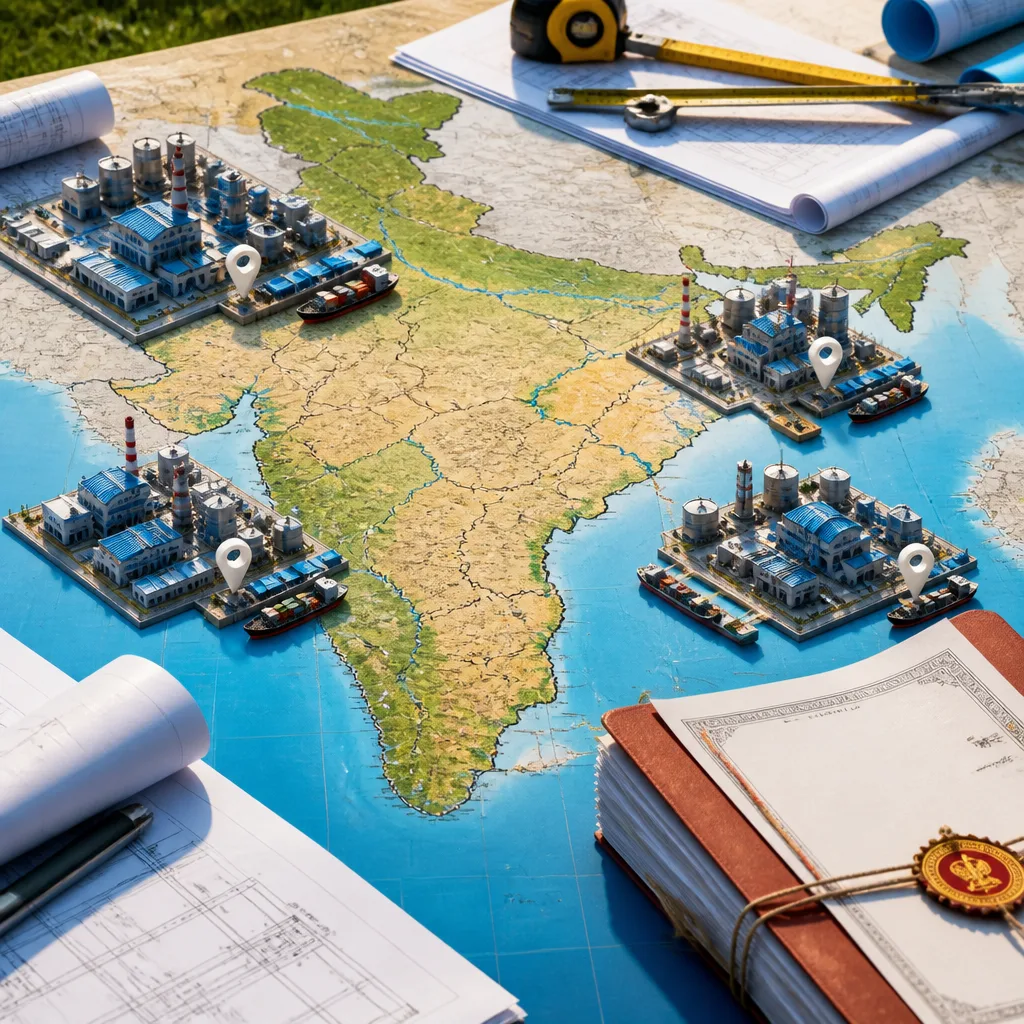
Officials said the proposed parks will be developed as integrated ecosystems where processing facilities and downstream industries sit together to enable value addition within India rather than exporting raw material. The initial focus on lithium and nickel reflects their central role in the battery sector, which policymakers regard as crucial for energy transition and future manufacturing growth.
“We are fast-tracking lithium and nickel because these are crucial elements for the battery sector. Batteries are currently the most important component globally for future growth; so, we will fast-track both of these,”
The line above was attributed to Mines Secretary Keshav Chandra when briefing reporters. Coal and Mines Minister G Kishan Reddy said the Centre has written to state governments and chief ministers seeking cooperation, adding that planning will be led by states with technical support from the Centre.
How the scheme will be implemented
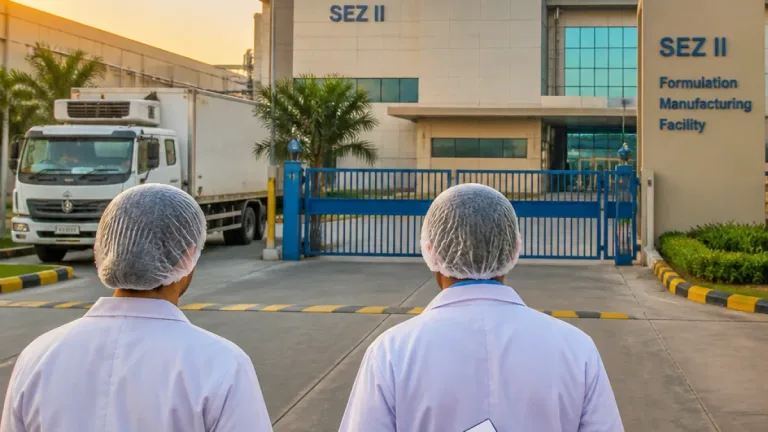
According to the government briefing, each park will be planned around a designated mineral and will aim to host the entire value chain — from primary processing to downstream industries such as chemical intermediates, precursor materials and battery component manufacturing.
- State governments will take the lead on planning and implementation.
- The Centre will provide technical support and policy measures specific to lithium and nickel soon, officials said.
- The parks are intended to attract investment in processing, reduce import dependence and create integrated clusters for manufacturing and downstream activity.
G Kishan Reddy was reported as saying the Centre had already written to all state governments and chief ministers seeking their cooperation and emphasised the role of state-led planning with central technical assistance.
What it means for industry and consumers
Industry implications could be wide-ranging. Building processing capacity for lithium and nickel domestically would reduce reliance on imported intermediates and raw materials for battery makers and downstream manufacturers. For consumers, the eventual intent is to lower supply-chain risks for batteries used in electric vehicles and energy storage, and to broaden the domestic manufacturing base that supports these products.
The parks are part of a larger policy push by the government to secure critical minerals and develop a local value chain. The mission’s approved ₹34,300 crore allocation over seven years provides a fiscal envelope for incentives, infrastructure support and technical programmes, though officials said specific measures for lithium and nickel will be announced shortly.
| State | Role (planned) |
|---|---|
| Gujarat | Designated processing park |
| Maharashtra | Designated processing park |
| Andhra Pradesh | Designated processing park |
| Odisha | Designated processing park |
Officials said that after addressing lithium and nickel, processing work for other critical minerals will follow, with parks tailored to the requirements of specific elements. The government's approach aims to concentrate the full value chain in single locations to encourage economies of scale, logistics efficiency and cluster-based industrialisation.
While the announcement is policy-forward, implementation will require land allocation, environmental clearances, power and water infrastructure, and investor interest for large-scale chemical and metallurgical processing. The success of the parks will depend on cooperation between Centre and states, availability of skilled labour and supportive regulatory frameworks for hazardous processing operations.
For businesses and consumers, the parks could ultimately mean a more resilient domestic supply chain for batteries and related technologies, potentially lowering costs and securing supplies for India’s electric mobility and energy storage ambitions. The government said it is in the process of identifying specific sites for the parks and will unveil targeted measures for lithium and nickel shortly.