An exception in Washington’s trade controls that allows U.S. companies to sell fuel to private Cuban businesses has ignited a scramble for gasoline and diesel across Havana, producing a noisy, profit‑driven market that is easing acute shortages for some but intensifying socioeconomic divides.
From state control to private resellers
Decades of centralised control over Cuba’s energy sector have been jolted by the sudden arrival of small volumes of U.S. fuel to private restaurants, retailers and taxi drivers. The shipments — the first significant landings of U.S. product on the island since the nationalisations of the 1950s — are the result of a Commerce Department exemption to overall U.S. sanctions, according to reporting from Reuters.
The deliveries come after supplies from Cuba’s traditional partners, notably Venezuela and Mexico, fell sharply when the United States moved to remove Venezuelan President Nicolás Maduro in January. With tankers avoiding Cuban ports amid increased maritime patrols and the risk of secondary sanctions, the Commerce Department carve‑out has become a narrow lifeline.
Relief for some, windfall for others
The flows have helped blunt shortages that had been crippling public services — from transport to healthcare and water distribution — but they have also created arbitrage opportunities for independent sellers. Small‑scale dealers and private operators are reselling imported fuel at steep markups, a development that has produced rapid price escalation and a flourishing black market.
“I could take her, but the trip would cost 1,000 pesos,” said one taxi driver when asked about transporting a passenger left stranded by an absent bus service.
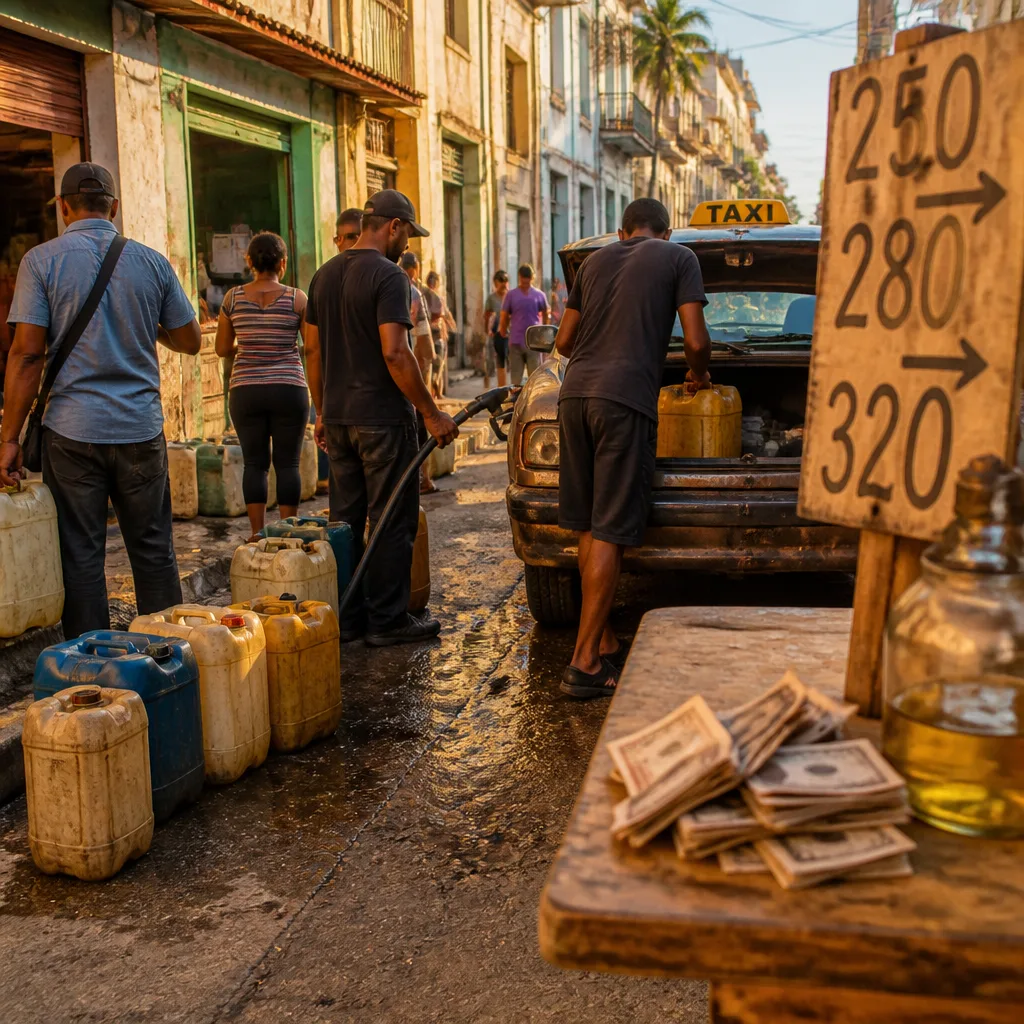
On the streets of Havana, the effect is stark. Commodities once tightly rationed by the state are now offered from cramped apartments, social media posts and makeshift stalls. The new supply has reduced the immediate pressure of rolling blackouts and enabled generators and home pumps to run — but only for those who can afford the elevated prices.
- Price spikes: Some gasoline is being sold at roughly $38 per gallon in informal outlets.
- Transport cost disparity: A regular bus fare is 2 pesos, while some taxi rides are being quoted at 1,000 pesos because of black‑market fuel costs.
- Market players: Reuters reporting found no evidence that major international oil traders are involved; sales appear to be run by smaller exporters and local intermediaries.
Economic and social consequences
The uneven distribution of newly available fuel is sharpening inequalities. Wealthier Cubans and private businesses have gained access to fuel that permits continued economic activity and private transport, while those reliant on state services and public transport face longer waits and sharply higher costs for alternatives.
Beyond immediate hardships, the arrival of U.S. fuel to private hands is eroding the monopoly the state once held over energy distribution. That shift carries political and economic ramifications: the informal market is creating new actors with an interest in sustaining parallel supply chains, while state utilities and public transit continue to struggle without reliable, centrally allocated fuel.
How the market works now
Available reporting suggests these dynamics are driven by a small number of export consignments and a proliferation of middlemen on the island. With large international traders deterred by legal and reputational risk, the supply chain is fragmented and opaque — conditions that favour price gouging and opportunistic resale.
| Item | Price / fare |
|---|---|
| Gasoline on black market | $38 per gallon |
| Bus fare (typical) | 2 pesos |
| Some taxi fares (black‑market fuel factor) | 1,000 pesos |
The Commerce Department exemption has provided a targeted remedy for fuel scarcity, but officials in Washington and Havana alike will need to weigh whether the short‑term benefits justify the long‑term distortions being created. For now, the result is plainly visible on Havana’s streets: calmer generators and humming private businesses for those who can pay, and longer queues and unaffordable transport for everyone else.
For Canadian businesses and policymakers watching global energy and sanction dynamics, the episode underscores how narrow regulatory changes can reroute supply and reshape markets in unexpected ways — particularly where large state providers have long dominated.