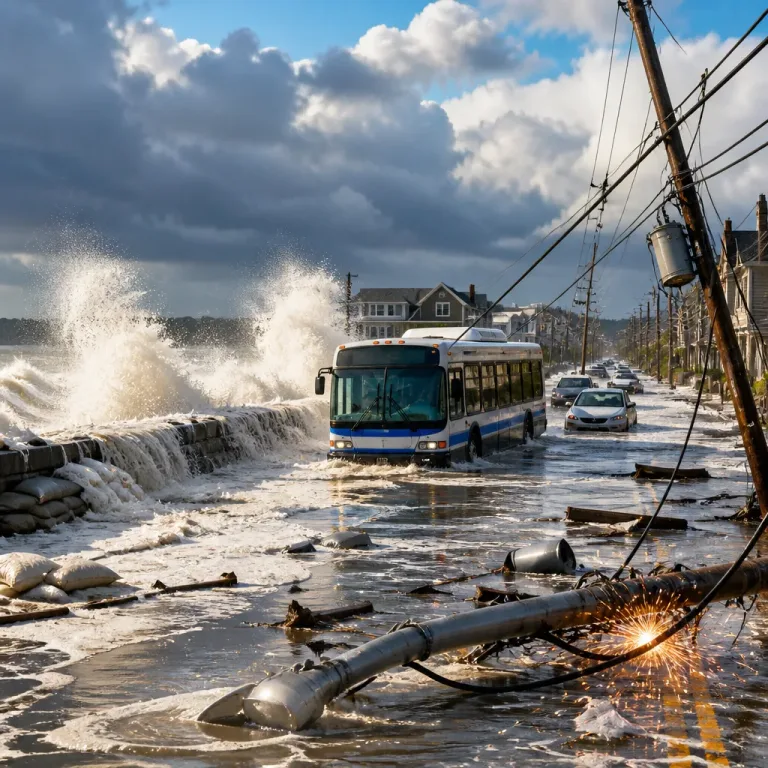
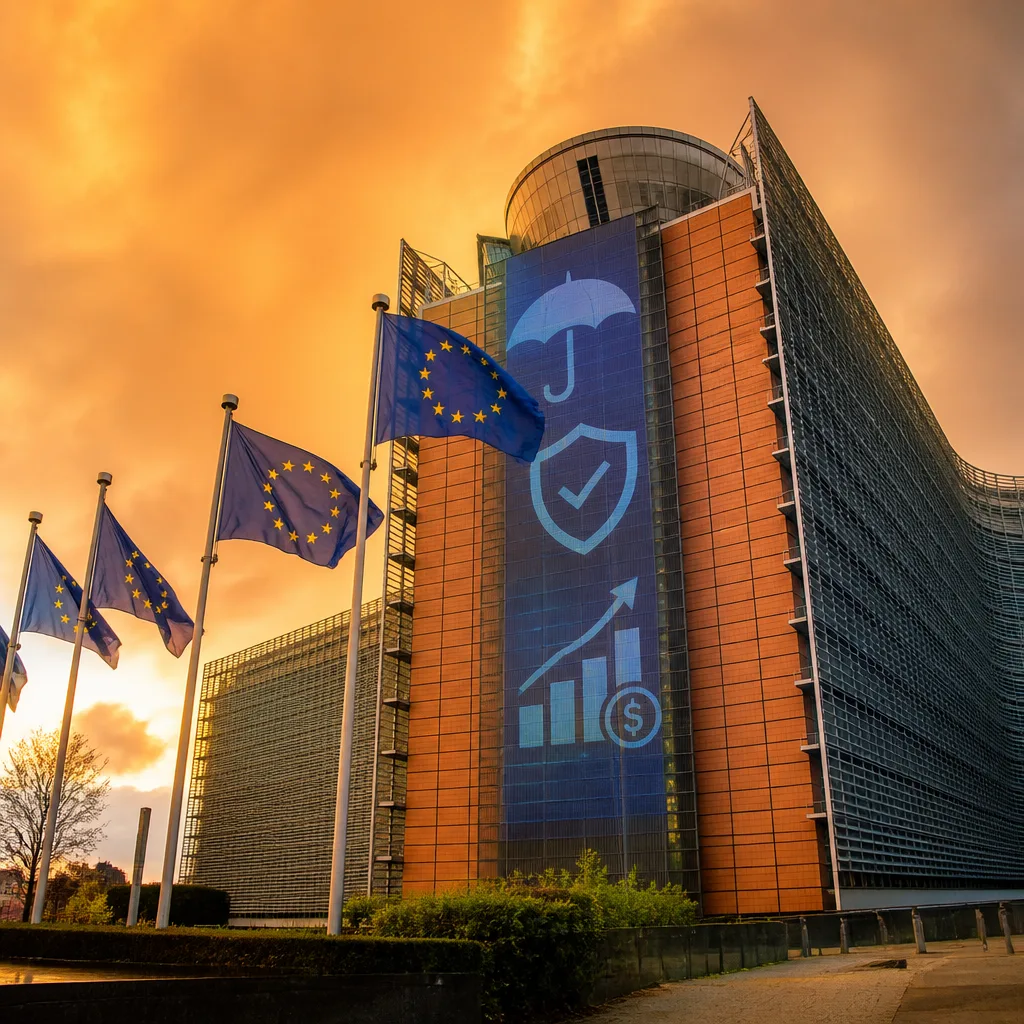
The European Commission on Wednesday announced the formation of a “climate insurance alliance” aimed at increasing insurance coverage for losses from extreme weather, after a summer of drought, wildfires and heatwaves that exposed significant gaps in financial protection across the bloc.
Why the alliance now
European Commission President Ursula von der Leyen said the scheme responds to mounting losses from climate-related events and the fact that a large share of those costs is not covered by insurance. According to the Commission’s figures, only a quarter of climate-related economic losses in the European Union are insured — leaving governments and taxpayers often acting as the “insurer of last resort.”
“Far too often, national budgets become the insurer of last resort. We need to take action to close this gap,”
The announcement comes after one of Europe’s worst wildfire seasons on record and a succession of heatwaves that the Commission says contributed to fatalities, power disruptions, lost productivity and school closures. The continent has also been warming faster than the global average, with the Commission noting Europe is heating at roughly twice the global rate.
What the alliance will do
The new alliance will convene key stakeholders — insurers, investors, risk model developers, public authorities and insurance purchasers — to identify practical instruments that could increase uptake and reduce exposure to climate risk. The Commission flagged specific approaches such as:
- Group insurance solutions that could pool risk across regions or sectors to lower premiums and broaden access.
- Parametric insurance, where payouts trigger automatically when pre-set thresholds (for example, rainfall amounts or temperature levels) are exceeded, speeding relief and reducing administrative costs.
These tools are intended to complement existing insurance markets and public support, not replace them. The Commission emphasised the need to reduce the overall risk through planning and adaptation measures as part of a broader resilience strategy.
Broader resilience and preparedness measures
Alongside the alliance, Brussels outlined a package of additional measures to tackle growing climate impacts. Announced or promised actions include a climate resilience strategy due in October that will target 100 especially vulnerable territories, a new heatwave plan to strengthen early-warning systems, and an EU water plan aimed at improving drought management.
The Commission also said it has asked senior firefighting officials to propose better wildfire management approaches, and flagged the need for improved land-use planning — such as avoiding construction in flood-prone areas — and urban design changes that help people cope with extreme heat.
Implications and context
| Issue | Fact noted by EC |
|---|---|
| Insurance coverage for climate losses | ~25% of economic losses are insured |
| Relative warming | Europe warming at about twice the global average |
For Canada and other countries watching Europe, the initiative underscores the increasing prominence of financial instruments in climate adaptation strategies. Expanding insurance can help households and businesses recover faster after disasters, but it is only part of a broader set of measures needed to limit future damage — namely emissions reductions, risk-aware planning and investments in resilient infrastructure.
Officials in Brussels framed the alliance as a practical step to reduce fiscal exposure and to encourage private-sector solutions that can coexist with public support. How quickly the new measures translate into affordable, widely available products will depend on the cooperation of insurers and the quality of risk modelling, particularly as extreme events become more frequent and severe.
As Europe moves to implement the alliance and the accompanying resilience plans, policymakers worldwide will be watching whether market-based instruments can significantly close the protection gap revealed by this summer’s extreme weather.