Canada’s reciprocal tariffs on US goods took effect on Sept. 8, matching Washington’s rates dollar‑for‑dollar, but Ottawa’s list does not directly target motor vehicles or auto parts — leaving the principal upward pressure on parts and repair costs firmly on the US side of the trade dispute.
Tariff mechanics and where the pain is felt
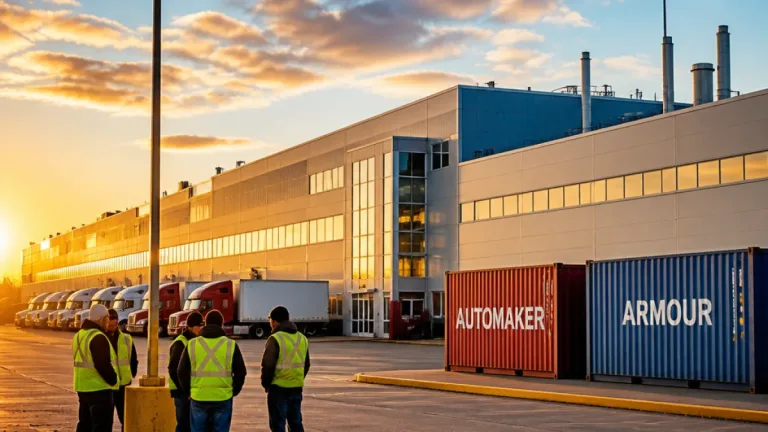
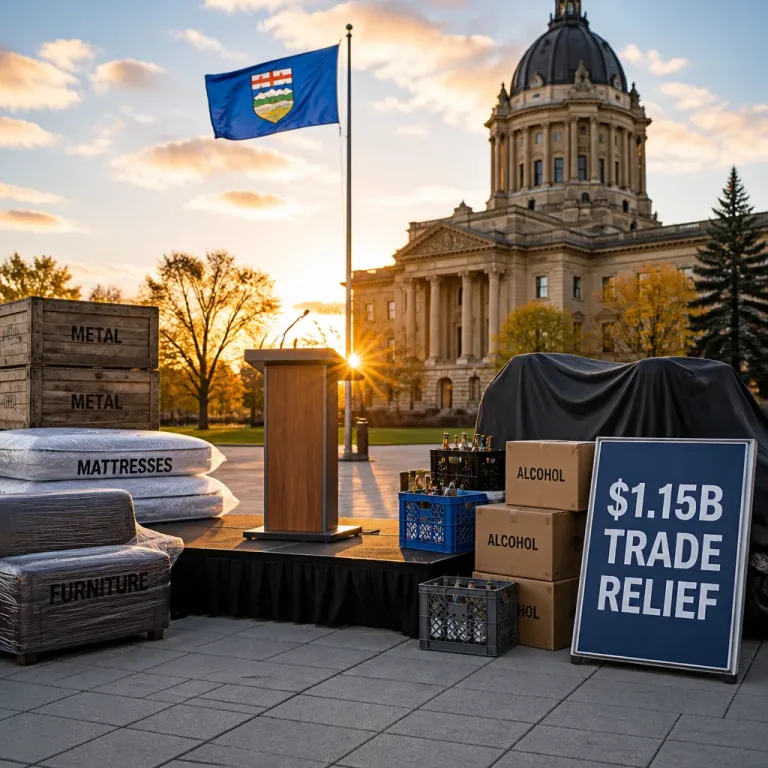
The Canadian measures apply to roughly $27.6 billion of US exports and mirror US duties of 15%, 25% and 50% across a range of sectors, including steel, aluminium, dairy, appliances, agricultural equipment, pulp and paper, and electronics. However, vehicles and auto parts are not on Canada’s retaliatory list.
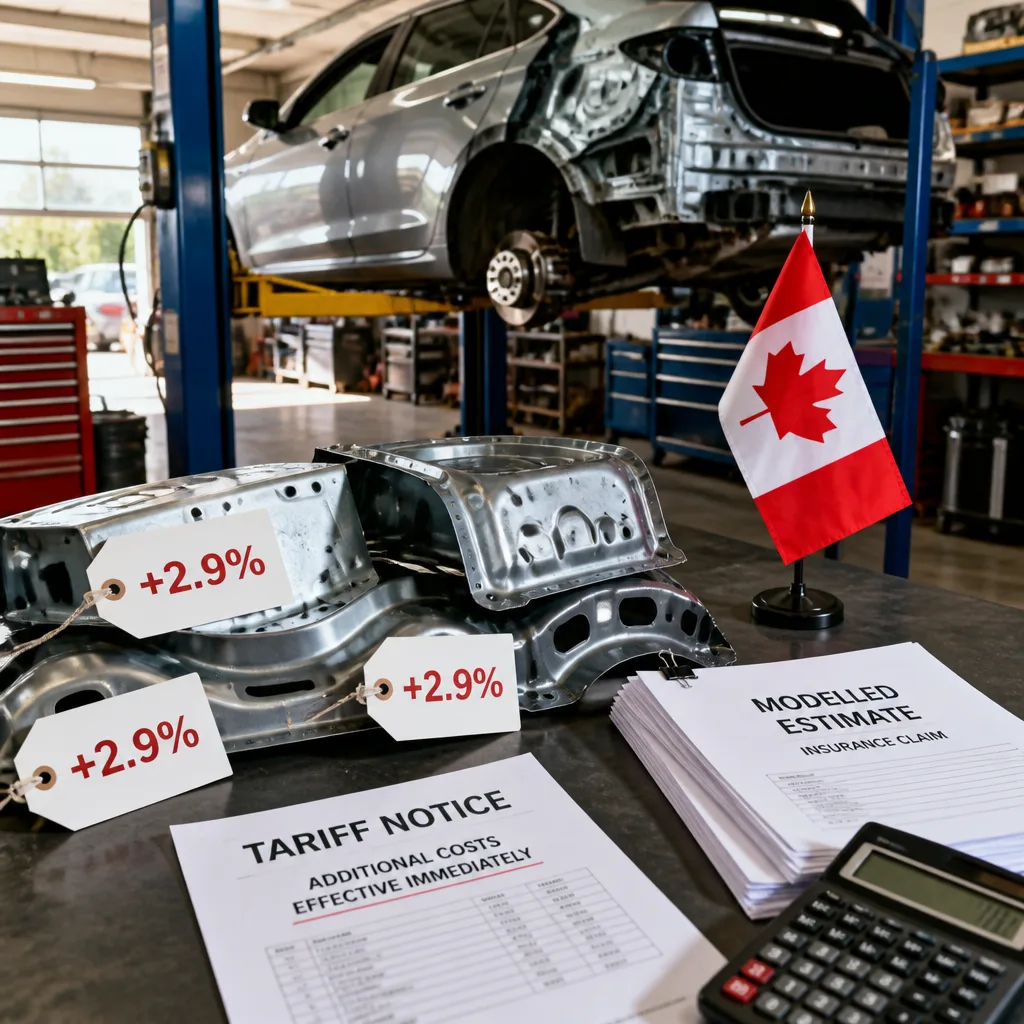
That omission matters because many analyses linking tariffs to rising auto insurance premiums point to costs generated when parts cross the Canada‑US border multiple times during the production process. Tariffs added at each crossing can accumulate, inflating repair bills and, over time, contributing to higher insurer claims costs and provincial rate filings.
What’s measured and what’s modelled
Statistics Canada provides an independently measured data point: the Consumer Price Index showed a 2.9% increase in the price of passenger vehicle parts, maintenance and repairs between April 2025 and April 2026. That is a real, verifiable rise that can be linked to tariff pressure on cross‑border parts flows.
By contrast, some widely cited figures claiming that insurance premiums could rise "up to 5%" because of tariffs trace back to a ceiling estimate from an analysis commissioned by an industry trade association. Those numbers represent modelled upper bounds from an interested party and should not be treated as an observed or inevitable outcome.
"Up to 5%"
In short, the 2.9% CPI increase is an independently observed cost pressure that insurers will feel through claims. The larger premium estimates are conditional model results, not demonstrated increases.
Policy backdrop and upside risk
On the US side, existing duties continue to matter. A lingering 25% tariff on Canadian‑built vehicles remains in force, while President Trump has threatened to raise tariffs on Canadian vehicles, parts and steel to 50% beginning Jan. 1, 2027. That prospect would add further cost risk to cross‑border supply chains and could deepen the effect on repair bills.
Key implications for stakeholders:
- Consumers: Already seeing higher parts and repair prices; further US tariff escalation would raise the prospect of larger future increases.
- Insurers: The measured CPI rise in parts and repair is a concrete upward pressure on claims costs; impacts on premiums will show up in provincial rate filings and vary by insurer and jurisdiction.
- Policymakers and industry groups: Need to distinguish between modelled upper‑bound scenarios and independently observed price movements when making public claims about likely premium impacts.
| Item | Value |
|---|---|
| Value of US goods hit by Canada’s tariffs | $27.6 billion |
| Tariff rates matched | 15%, 25%, 50% |
| Measured CPI increase (vehicle parts/repairs) | 2.9% (Apr 2025–Apr 2026) |
| Existing US tariff on Canadian‑built vehicles | 25% |
| Threatened US tariff from Jan. 1, 2027 | 50% |
For business reporters and analysts, the lesson is to separate directly observed data from modelled projections. The CPI figure gives a defensible yardstick of how much parts and repair costs have already moved; the larger premium impacts remain conditional and contingent on future tariff moves and how quickly those costs pass through to insurer claims and provincial rate decisions.
With cross‑border supply chains and multiple border crossings for individual parts, even small tariff shifts can have outsized logistical and price effects. Policymakers and industry participants alike will be watching both the chronology of any further US tariff steps and how insurers reflect measurable cost inflation in actual premium filings across provinces.
The near‑term reality is clear: Ottawa’s counter‑tariffs have not eased the channel of pressure on vehicle parts and repairs — that pressure continues to originate mainly from US duties and potential escalations, leaving Canadian motorists and insurers to absorb the consequences.