
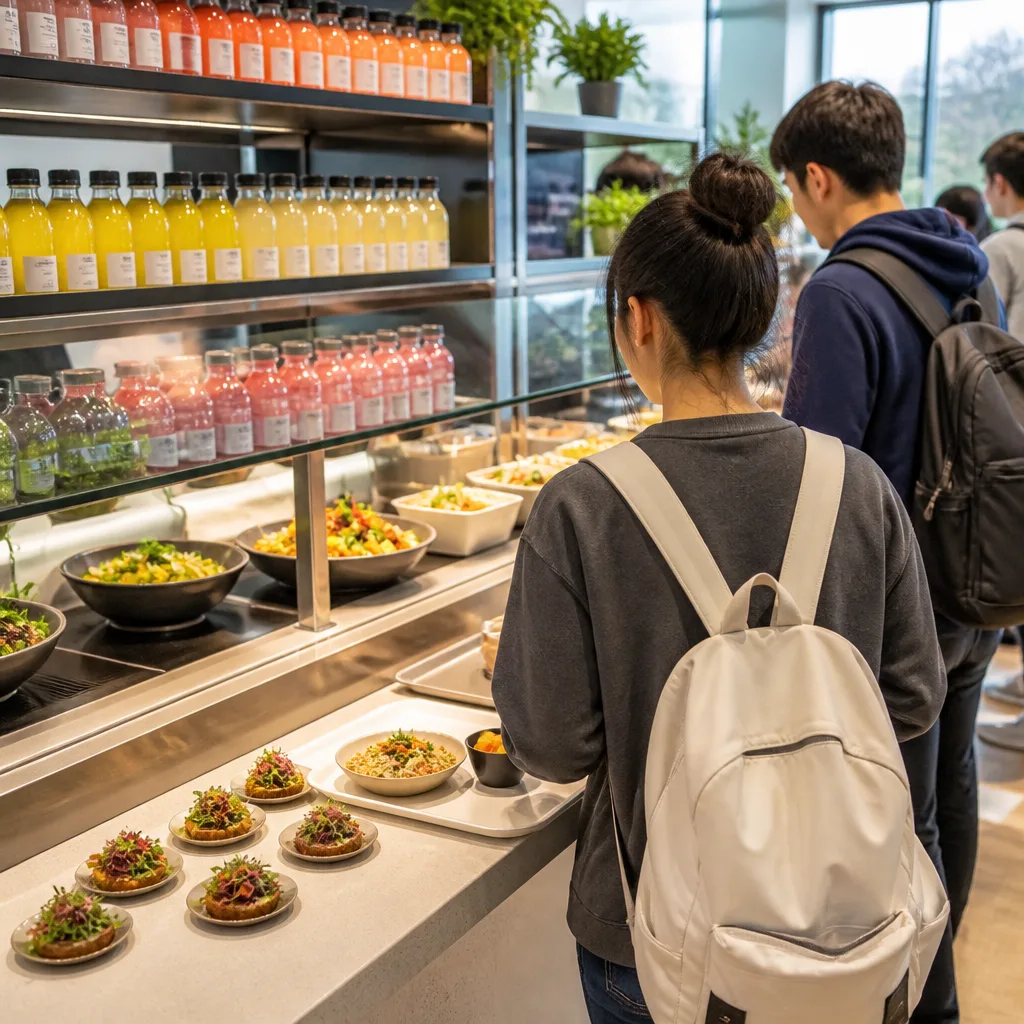
Chartwells Higher Education says the food choices of today’s college students are reshaping campus dining, with a clear shift toward smaller portions, texture-rich dishes and beverages marketed for specific health benefits.
Industry report spotlights student-driven trends
The contract food management company, which provides dining services to post-secondary campuses, released its 2026 Fall Flavor Forecast, drawing on student feedback and the insights of Chartwells’ culinary team. The forecast identifies five food, beverage and dining trends that will inform menu planning this semester and beyond.
Chartwells frames the shifts as a response to a generation that sees food as more than fuel: students want sensory experiences, convenience and functional benefits that support daily life on campus.
“Gen Z is moving faster than ever, and our job as culinary innovators is to ensure that our menus evolve at that same rapid pace so we can meet students where they’re at,”
— Chef Joe Labombarda, SVP of Food Experience and Culinary Innovation, Chartwells Higher Education.
What Chartwells says campuses will serve
The forecast highlights several concrete shifts in how campus foodservice teams are approaching menus:
- Gen Z Grazing — Micro-Meal Revolution: Traditional three-meal patterns are being replaced by flexible snacking and micro-meals, prompting offerings such as modular protein bento boxes and street-food–style items that work as quick, shareable fuel between classes.
- Functional Sips — High-Performance Hydration: Beverages are being positioned for performance and gut health as much as thirst-quenching. Chartwells’ research indicates rising student interest in electrolyte and prebiotic drink formats.
- Texture and targeted wellness: The forecast also notes demand for texture-forward dishes and meals that explicitly promise functional benefits — for example, gut-friendly preparations and specialty teas that pair nutrition with flavour.
Data points cited by Chartwells
Chartwells referenced findings from its 2026 Campus Dining Index (CDI) to quantify some beverage preferences among students:
| Product type | Student share (CDI) |
|---|---|
| Electrolyte drinks | 22% |
| Prebiotic sodas | 14% |
Implications for campuses and student life
For campus foodservice operators and university planners, the forecast underscores practical questions about procurement, menu design and equipment. Smaller, frequent-portion offerings require different production workflows and packaging than traditional tray-service or plated meals. Beverage trends that prioritise functional ingredients and novel formats may prompt new supplier relationships and regulatory or nutrition-labelling considerations.
From a student perspective, the shifts reflect broader changes in how young adults balance schedules, wellness and social life on campus. Dining programs that adapt to those preferences can shape daily routines — from study breaks to late-night meals — and may influence cost, accessibility and dietary inclusivity.
Chartwells’ forecast arrives as many post-secondary institutions seek to balance rising operational costs with demand for services that support student retention and well-being. While the company presented five overarching trends, the forecast emphasises that rapid change in student tastes and social-media-driven food culture will require ongoing experimentation.
Campus dining services that listen to students and integrate culinary creativity with nutrition-minded options are likely to be central to how institutions promote a healthy and engaging campus experience this fall.