
The Weather Service and government authorities have issued warnings after severe winter weather brought heavy snow, freezing conditions, heavy rain and strong winds to parts of the Eastern Cape, prompting road closures and travel disruption.
Roads, schools and travel affected
Authorities raised alerts as wintry conditions affected mountain passes and major routes. The situation forced closures on several roads and disrupted travel for commuters and freight operators. Emergency teams were reported to be working to clear and treat affected roads, but officials warned conditions can deteriorate rapidly.
Some routes through the Eastern Cape were reopened after clearance operations. The report mentions roads around Queenstown and Jamestown being reopened for traffic, though drivers were urged to remain cautious as conditions can change.
National picture and alert levels
Weather alerts were raised in several provinces. The Weather Service reportedly upgraded some areas to an orange-level alert — identified in the report as Orange Level 6 where snowfall affected major routes and mountain passes. Northern and Western Cape areas were given lower-level (yellow) warnings for strong winds in places.
| Province | Report on conditions / alert |
|---|---|
| Eastern Cape | Snowfall, freezing conditions, major routes affected; some reopenings reported |
| Free State | Snow and icy conditions on mountain passes; disruption to routes |
| KwaZulu‑Natal | Severe weather and road closures reported |
| Western & Northern Cape | Yellow-level warnings for strong winds and hazardous travel in parts |
Operational response
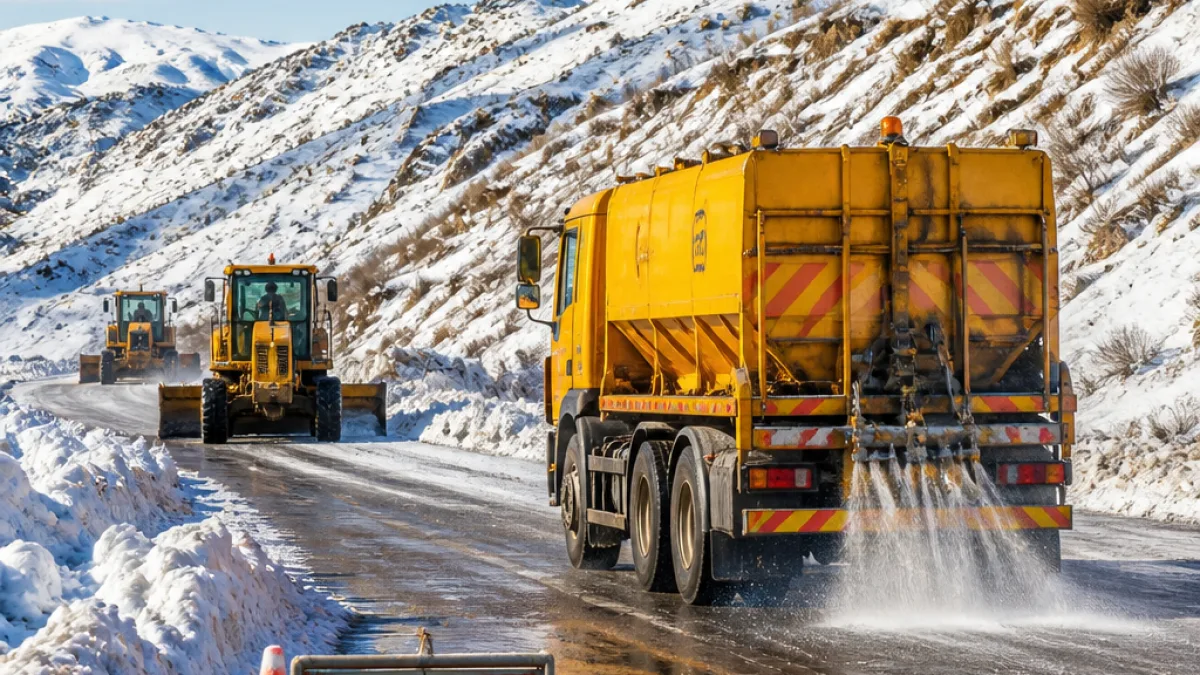
Emergency crews and road authorities were said to be treating roads. The report notes workers deploying graders to clear snow and using brine along key stretches — for example, between Harrismith and Van Reenen pass, the route linking the Free State and KwaZulu‑Natal — to limit icing and improve traction.
"Members of the public are reminded that weather and road conditions can change quickly," the government statement said, adding that roads which are open now may be closed again if conditions deteriorate.
Advice for motorists and communities
Authorities stressed caution for anyone travelling through affected areas. Practical steps to reduce risk include:
- Check latest weather updates and road-status reports before travelling.
- Avoid non-essential travel in mountain passes during heavy snow or strong winds.
- Drive slowly, maintain increased following distance and use headlights in poor visibility.
- Ensure vehicles are winter-ready — good tyres, sufficient fuel and an emergency kit.
- Follow directions from traffic officials and emergency services if diversion or closures are in place.
Public transport users and school communities were also advised to expect possible interruptions. Local authorities may announce temporary closures or adjustments to schedules as they monitor conditions.
Why this matters locally
While snow and freezing weather are episodic in South Africa, they have an outsized effect on rural and mountain communities in the Eastern Cape, where road infrastructure is already strained. Disruptions to transport affect supply chains, school attendance and access to health services. Quick, well-coordinated responses by road authorities and emergency services are crucial to prevent people becoming stranded and to keep essential goods moving.
The situation remains fluid. Residents and road users in the Eastern Cape should follow updates from the South African Weather Service, local traffic authorities and municipal emergency services, and prepare for further short‑notice changes to road accessibility and schedules.
Local motorists can consult official social media channels and traffic information portals for live updates, and should plan alternative routes where possible until conditions stabilise.












