
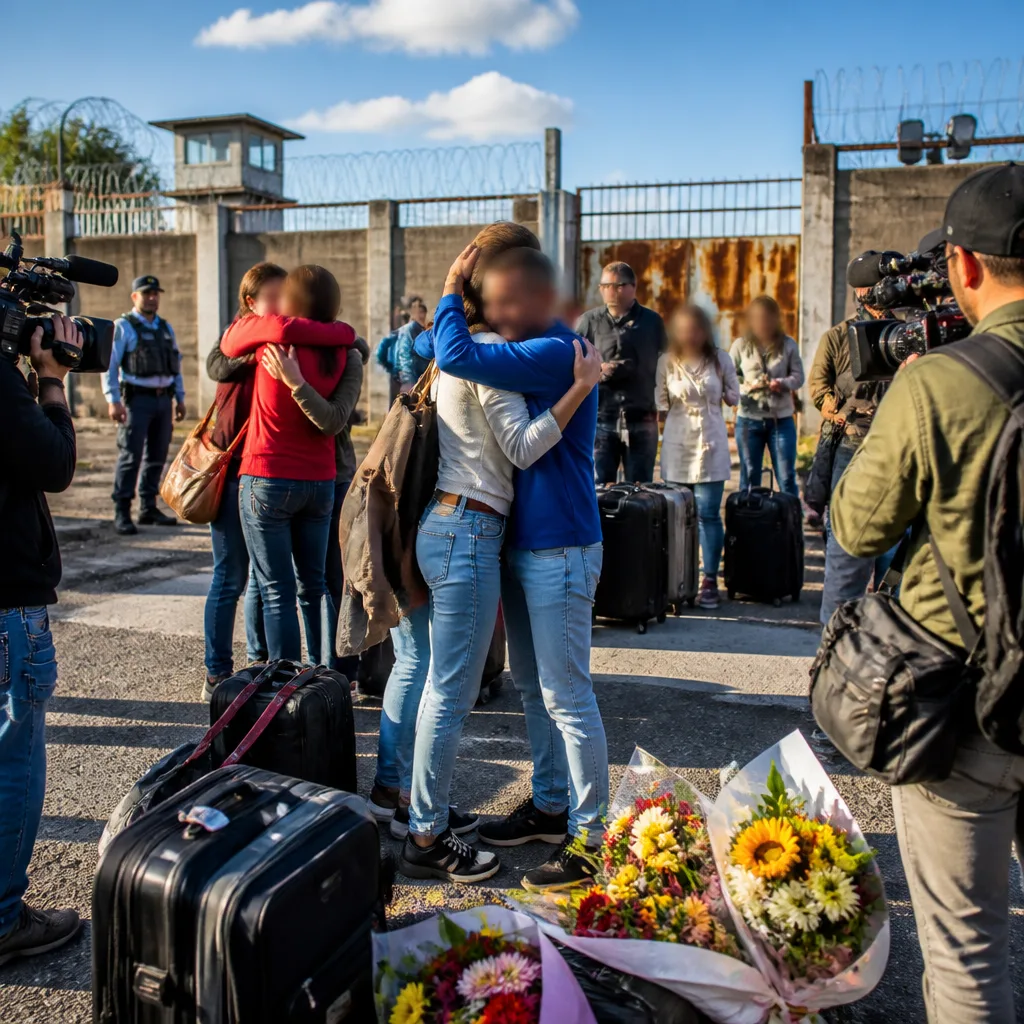
Venezuela announced the release of a further group of detainees on 14 August, describing the move as part of a government programme to replace custodial sentences with other measures. The announcement came amid a fresh round of talks mediated by the United States aimed at political reconciliation following what the government characterised as the ouster of President Nicolas Maduro.
Numbers and immediate scenes
Authorities said 131 people were granted “alternative measures from incarceration” under the “Program for Peace and Democratic Coexistence”. Human-rights group Foro Penal reported that among the latest releases were six women, one of whom faces accusations of involvement in an assassination plot against Maduro.
Agence France‑Presse (AFP) reporters witnessed emotional reunions outside El Rodeo I prison in Guatire, about 50 kilometres east of Caracas, as freed individuals embraced relatives.
“The recent release of over 130 political prisoners in Venezuela is a crucial step for the nation's reconciliation process,” Marco Rubio wrote on X, adding that 1,046 people have been freed since 3 January.
Diplomacy, dialogue and omissions
The releases followed the first formal round of talks brokered by the United States, which opened last week and concluded on Wednesday. The joint statement issued by the parties after that session did not explicitly address political detainees, even though the topic has been a recurring demand of the opposition and human‑rights groups.
Opposition figure Dinorah Figuera had pledged to prioritise the release of political prisoners in the negotiations, and the timing of the latest frees appears linked to those assurances. Foro Penal, which documents cases it regards as politically motivated detentions, credited the releases to the talks and to pressure from rights advocates.
Who benefits and what follows
- Released detainees and families gain immediate liberty and reunification, an important humanitarian outcome.
- Opposition negotiators can claim tangible progress to show constituencies and international partners.
- The interim government may use the releases to signal willingness to engage and to reduce international pressure.
Analysts and rights groups will watch whether the measures lead to durable legal changes — such as formal pardons, case dismissals or improved due‑process guarantees — or whether they amount only to provisional relief for a subset of prisoners.
| Item | Number |
|---|---|
| People granted alternative measures | 131 |
| Women reported freed by Foro Penal | 6 |
| Releases reported since 3 January (per Rubio) | 1,046 |
Broader context
Venezuela has been the focus of sustained international concern over arrests of political opponents and activists. The AFP account referenced a historical narrative in which Maduro had led the country since 2013 and was accused by critics of using the judicial system to pursue opponents. The current sequence of releases follows a period in which hundreds of detainees were freed after Maduro was removed from power, according to reporting about recent developments.
Observers will consider whether the US‑brokered talks produce a framework that addresses rule‑of‑law reforms and credible monitoring mechanisms. For now, the releases are a visible, immediate step that reduces the number of people in detention and offers a diplomatic opening, but they do not yet resolve underlying disputes over governance, accountability and the independence of prosecutorial and judicial institutions.
How the gains are consolidated — through sustained negotiation, transparent legal procedures and independent oversight — will determine whether this moment of relief translates into lasting change for Venezuela’s political prisoners and for the country’s fragile reconciliation process.












