
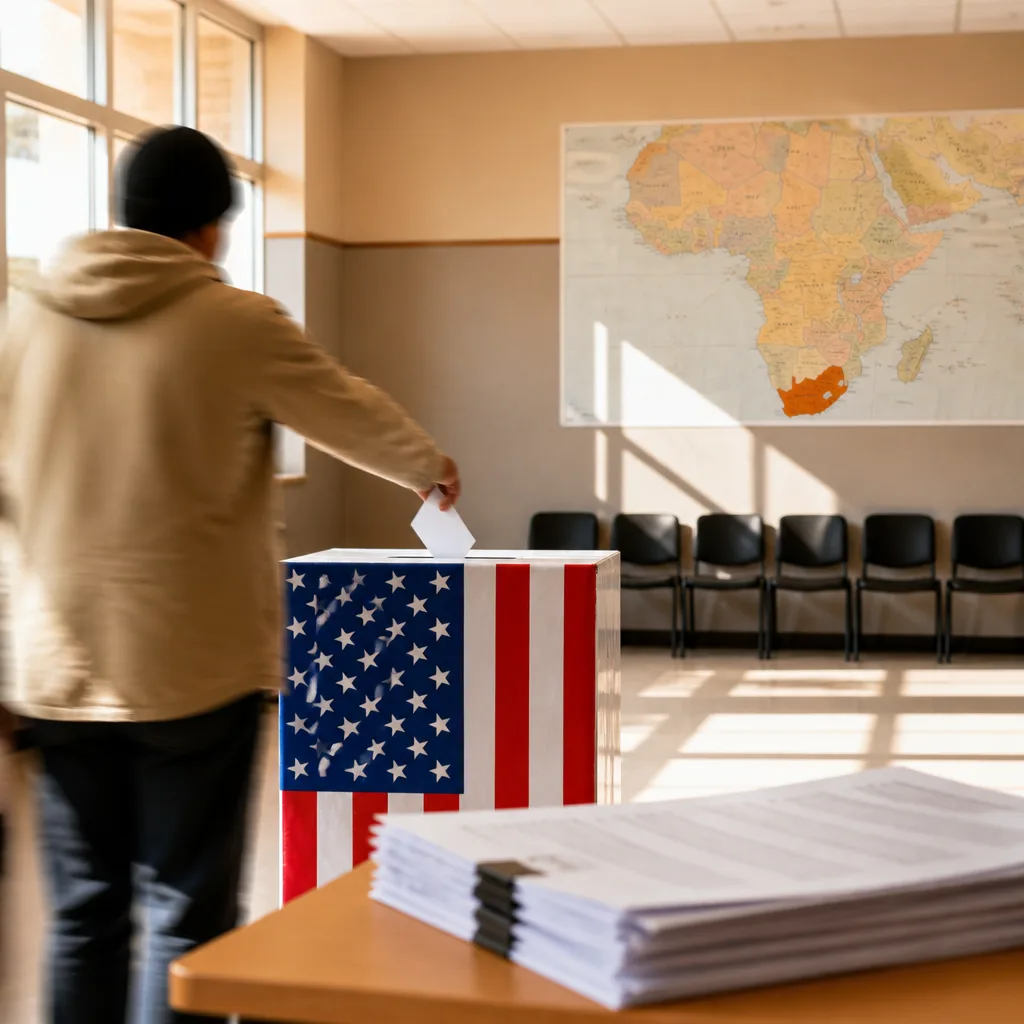
US primary elections are nearing completion, and early patterns are already emerging that will shape the November midterm contests and may have knock-on effects for South Africa and the wider Global South.
Low turnout, high partisanship
Primary contests historically attract a smaller, more partisan slice of the electorate. That remains true this year, where turnout in primaries is generally lower than in general or midterm elections. The consequence is that nominees often reflect the preferences of committed activists and party loyalists rather than the broader pool of eligible voters.
Political observers say the emerging trends are likely to set the scene for November even though the primary calendar has not closed. Early indicators suggest a hardened electorate in which a narrow, active base determines many nominations.
Economic anxiety and foreign policy weigh on voters
One clear theme is voter concern about affordability. Nationally, President Donald Trump’s popularity has stabilised at just above 30% among all voters. Analysts link this to public unease about the state of the economy and household finances — the so-called affordability question.
Foreign policy is another pressure point. The ongoing conflict with Iran, described in reporting as a prolonged and draining engagement, is contributing to worries about petrol prices and geopolitical instability. These issues have begun to cross traditional party lines, with discontent appearing among Democrats, independents and some Republicans.
Local primary snapshot: Michigan
A microcosm of the larger dynamic played out in Michigan on 4 August 2026. At a VFW hall in Wyandotte, voters in a Democratic primary chose between Congresswoman Haley Stevens and epidemiologist Abdul El‑Sayed. The winner will face Republican former Congressman Mike Rogers in the November race. The contest illustrated how local nominations can hinge on activist and base turnout rather than broader voter engagement.
- Primary turnout: lower than general elections, drawing more partisan voters.
- Top voter concerns: affordability and the economic impact of foreign conflicts.
- Outcome implications: nominations shaped by activists could produce more ideologically distinct candidates in November.
“Trends are emerging, likely setting the table for the upcoming November election,” reported analysis of the primary season.
Why this matters for South Africa
Shifts in the US political landscape can influence decisions on trade, aid and diplomatic engagement that affect South Africa and the Global South. Even midterm contests can alter congressional control and executive-legislative dynamics, affecting how Washington approaches international issues such as trade policy, multilateral funding and responses to crises.
Specific policy consequences will depend on who wins key races and which party secures governing leverage after November. For example, congressional scepticism or assertiveness on foreign engagements could change US involvement in international coalitions, sanctions regimes or energy markets — all of which have indirect effects on South African exports, investment sentiment and commodity prices.
What to watch next
Key indicators to follow as the primary season concludes and attention turns to November include:
| Indicator | Why it matters |
|---|---|
| Voter turnout in final primaries | Signals breadth of engagement and whether nominees can appeal beyond base voters. |
| Polling on affordability | Reflects public sentiment on the economy, a dominant midterm issue. |
| Developments in Iran conflict | Affects petrol prices and geopolitical risk assessments that influence global markets. |
The primary season is not the final word on November outcomes. Nevertheless, the emerging patterns — low, partisan turnout and voter preoccupation with cost-of-living and foreign entanglements — provide an early guide to the dynamics likely to shape the US midterms and their international fallout. These are developments South African policymakers, businesses and analysts will monitor as they plan for shifting US priorities.
Details and final outcomes remain in flux as remaining primaries conclude. Further reporting will clarify how these early trends translate into November results and subsequent policy shifts.














