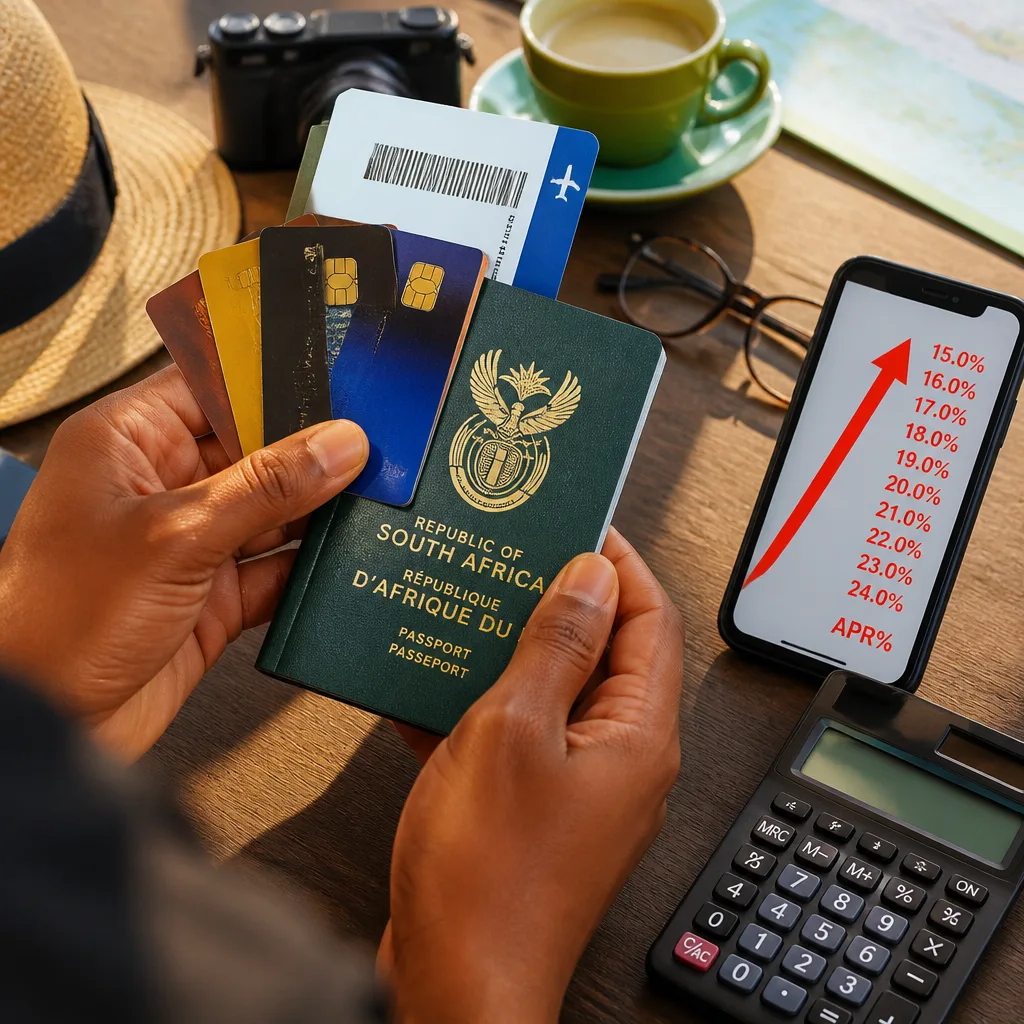
The US Federal Reserve raised its benchmark interest rate by a quarter percentage point on 16 September, taking the target range to 3.75%–4.00%. It was the Fed's first increase since July 2023, and the move has immediate relevance for anyone using credit cards for travel.
Why a US rate rise matters to travellers
Even if your holiday booking is in US dollars or you use a South African card to pay an overseas merchant, changes in the Fed's benchmark tend to ripple through global financial markets. Variable annual percentage rates (APRs) on unsecured credit products usually move in step with benchmark rates because commercial banks commonly price consumer credit several percentage points above the central bank rate.
The piece of context frequently cited by lenders — and noted in reporting on this action — is that commercial banks often add roughly three percentage points to the benchmark when setting rates for customers. That means a Fed rise can translate rapidly into higher costs for cardholders who do not clear their balances each month.
"Inflation is too high and has been for too long," Fed Chair Kevin Warsh said this week.
Travel cards and airline cards: higher APRs already start high
Travel and airline-branded credit cards typically carry some of the highest APRs among unsecured cards. Data reported alongside the Fed move highlighted average rates from the marketplace LendingTree: the average APR for travel cards sits at about 23.72%, while airline cards average near 24.03%. If your card has a variable APR, those percentages can rise if lenders increase pricing in response to the Fed.
- Savers: Rising rates often bring better yields on savings accounts and short-term deposits, so those who keep cash in low-risk accounts may benefit.
- Debtors: If you carry a balance on a variable-rate travel card or airline card, expect a higher finance charge and a larger overall cost for the same purchases.
- Budget-conscious travellers: Paying cards in full each month remains the most effective way to avoid the impact of higher APRs.
Practical steps for travellers
If you are planning a trip and use credit for bookings, a few pragmatic steps can protect your budget:
- Check whether your card's APR is fixed or variable; variable APRs are more likely to increase following benchmark moves.
- Compare alternative card offers — rewards may be attractive, but the headline APR matters when balances are carried.
- Where possible, clear the balance quickly to avoid finance charges that accrue at the card's APR.
The Fed's mandate is to respond to inflation and economic conditions; the central bank's decision to raise rates is intended to cool demand and ease price pressures. That same mechanism is what can make a long-standing credit-card balance more expensive after a rate rise.
| Item | Figure |
|---|---|
| Fed benchmark rate (after 16 September) | 3.75%–4.00% |
| Average APR — travel cards | 23.72% |
| Average APR — airline cards | 24.03% |
For South African travellers organising flights, accommodation or car hire, the rule of thumb is simple: use credit strategically. If you can pay off purchases quickly, you may retain the benefits of rewards without paying more to service debt. If you expect to carry a balance, re-evaluate the card you use and consider shifting funds to a higher-yield savings product instead of carrying costly credit-card debt.
These are timely reminders for anyone planning travel budgets in the months ahead: interest-rate moves by major central banks affect costs beyond borders, and a little planning can go a long way to keeping a holiday affordable.