
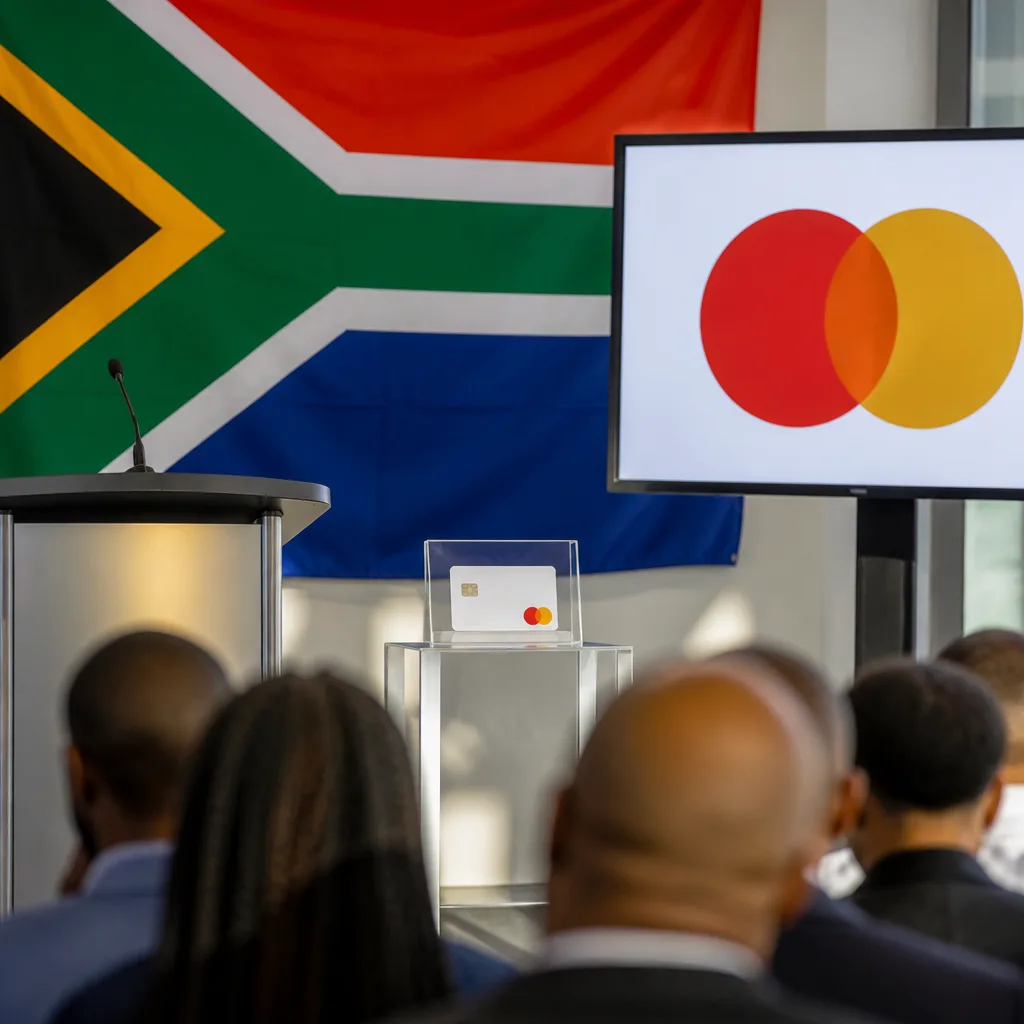
Syria has unveiled its first domestically issued electronic payment card that can be used outside the country, the Central Bank of Syria said, signalling a deliberate effort to rebuild links between its banking system and global payment networks.
Card launched in collaboration with QNB Syria and Mastercard
The card was presented by QNB Syria in cooperation with Mastercard at an event attended by the head of the Central Bank of Syria, Mohammad Safwat Raslan, according to Anadolu Agency. The central bank described the launch as a stage in the broader development of the country’s electronic payments and transfer system.
As part of the relinking, the central bank said Syria reconnected its payment system to the Mastercard network and completed what it described as the country’s first transaction using an international Mastercard card in more than 15 years.
Regulation and infrastructure measures
The Central Bank said the move forms part of a two-track approach: building domestic payments infrastructure while also restoring connections with international payment systems.
Key regulatory steps outlined by the central bank include Decision No. 259, adopted in May, which sets rules for cooperation between licensed banks, financial institutions, electronic payment companies and international payment systems such as Visa and Mastercard. The decision addresses licensing, compliance, settlement arrangements, cybersecurity and data protection, the central bank said.
In August the central bank launched a new electronic payment system intended to expand options for payments and transfers for both citizens and businesses, the bank added.
- May: Central Bank issued Decision No. 259 governing cooperation with international payment systems.
- August: New national electronic payment system launched to broaden transfer and payment methods.
- September: First locally issued card accepted abroad presented by QNB Syria with Mastercard.
| Measure | Date | Purpose |
|---|---|---|
| Decision No. 259 | May | Set rules for licensing, compliance, settlements and cybersecurity with international networks |
| New electronic payment system | August | Expand domestic payment and transfer options |
| Locally issued Mastercard-linked card | September | Allow international acceptance of locally issued card |
Context and implications
The central bank framed the campaign as restoring international card acceptance and developing a national infrastructure for electronic financial services. Reconnection to a global payment scheme and the issuance of an internationally accepted card can affect ordinary Syrians who rely on cross-border transfers as well as businesses that need access to international payment rails.
For South African readers, the development is a reminder that states under heavy international scrutiny can nonetheless take measured steps to reconnect their financial systems with global providers when compliance structures and technical arrangements are put in place. The emphasis in the Syrian announcements on licensing, compliance, cybersecurity and data protection reflects the requirements that international payment systems set out for participation.
Restoring links with global networks often requires banks and regulators to satisfy anti‑money laundering and sanctions‑compliance standards. The central bank’s description of regulatory measures and the staged approach to relinking suggest Syrian authorities have prioritised formal frameworks to govern cooperation with international providers.
How widely the new card will be accepted, which transactions it will be used for abroad, and how international partners will manage sanctions and compliance risks were not detailed in the central bank statement cited by Anadolu Agency.
The announcement follows the central bank’s recent steps to expand digital payments domestically and shows an official focus on modernising payment infrastructure even as broader political and economic challenges persist.
Analysts and banks will watch how the technical and regulatory changes are implemented, and whether similar steps follow with other international payment schemes.









