
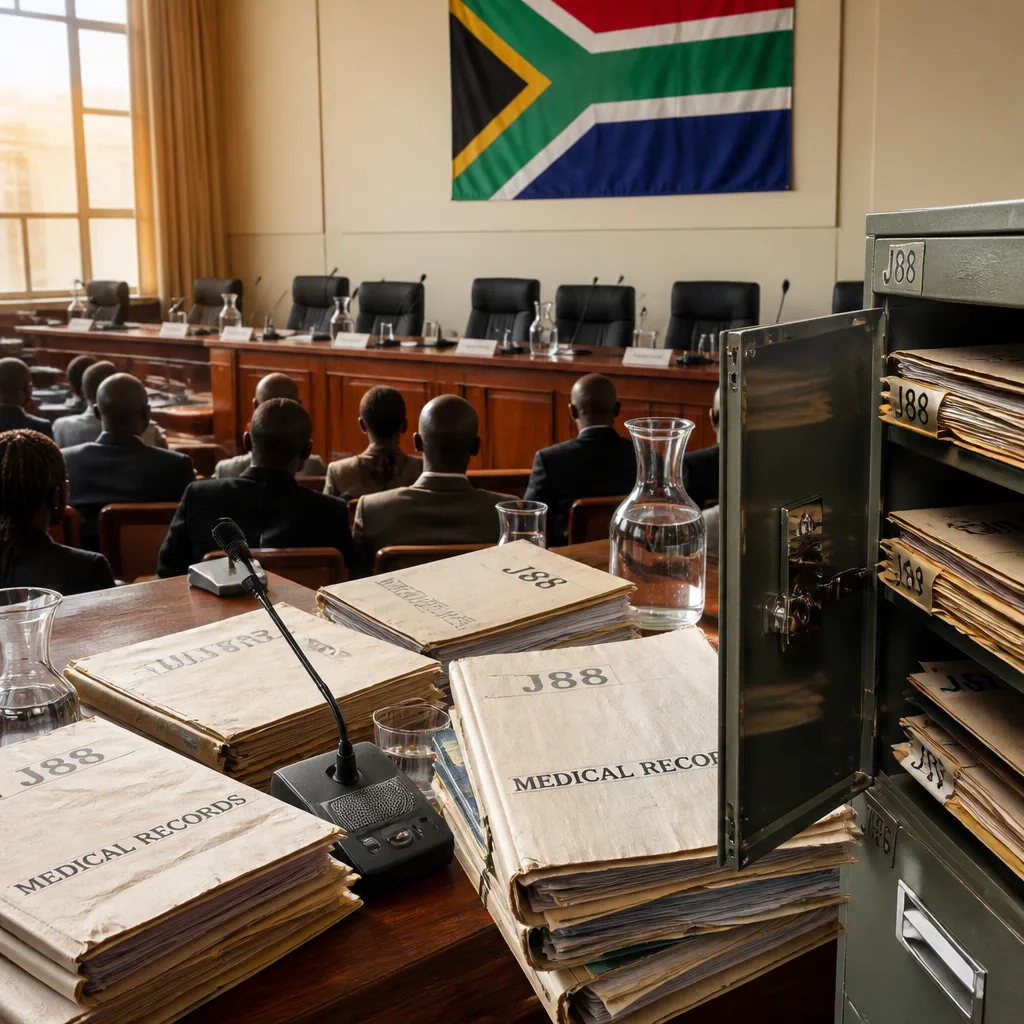
The joint Chapter 9 institutions inquiry into gender-based violence and femicide (GBVF) in Johannesburg on Monday was told by survivors and advocacy groups that the South African Police Service (SAPS) repeatedly failed to provide basic assistance to victims, sometimes amounting to secondary victimisation.
Representatives of the South African Human Rights Commission (SAHRC) reported that survivors described being refused service at police stations, subjected to intrusive or insensitive questioning, and left to pursue the progress of their own matters.
Complaints of poor investigation and administrative barriers
Thokozani Dladla, representing the SAHRC at the inquiry, summarised submissions alleging that many cases effectively "die before trial" as a result of inadequate investigation and administrative failings. The inquiry heard specific examples involving the J88 medical report, the standard police form used to record injuries after sexual assault.
"The victims report, but cases die before trial due to poor investigation. They get told officers could not find the J88 at the hospital. Sometimes they are told the J88 or medical records cannot be given to the prosecution because there are not enough vans at the station,"
The submissions suggested that delays and mismanagement of medical records undermine prosecutions. In some instances, survivors were reportedly required to persuade police to register their complaints, request docket reviews and effectively act as their own case managers.
- Denied assistance: Survivors said they were turned away at police stations.
- Insensitive handling: Accounts included intrusive questioning and being made to wait in public passages.
- Administrative failures: Missing or inaccessible J88 forms and medical records were cited as obstacles to prosecution.
Risk of secondary victimisation and gaps in support services
Submissions also described settings where survivors were exposed to accused persons while at police facilities or were transported alongside them, an arrangement that victims said exacerbated trauma. Non-governmental organisations told the inquiry they remain understaffed and under-resourced, leading to high staff turnover as experienced practitioners accept better-paid positions elsewhere.
One NGO chairperson said: "I have dedicated people who are into fighting GBVF, but when they are offered more somewhere else, they leave."
The inquiry was told that learners in farming settlements and mining towns face distinct barriers to reporting, including long distances to services and a lack of immediate reporting channels. The Mordecai Ndlovu Foundation called for the Department of Basic Education to provide resources so learners can report incidents more easily.
| Problem raised | Effect on survivors |
|---|---|
| Cases not registered or revived | Survivors must follow up; investigations stall |
| Missing J88 or medical records | Prosecutions undermined; evidence unavailable |
| Insufficient NGO capacity | Reduced support and case management for victims |
Context: renewed concern after recent killings
The inquiry convened against the backdrop of renewed national concern about GBVF following the discovery of 11 bodies in Ekurhuleni. The hearing noted that a suspect linked to one murder in Thembisa was arrested in Limpopo, underscoring ongoing policing and investigative demands across provinces.
Forensic, investigative and administrative shortcomings raised at the hearing point to challenges at multiple stages of the criminal-justice chain — from first reporting at police stations to the preservation and transfer of evidentiary material to prosecutors.
Participants urged systemic reforms to prevent secondary victimisation, strengthen investigative capacity, and improve coordination between SAPS, health services and civil-society organisations so survivors receive timely, respectful and effective support.
The inquiry continues to receive submissions and evidence from survivors, NGOs and state bodies as it seeks recommendations to improve South Africa's response to gender-based violence and femicide.













