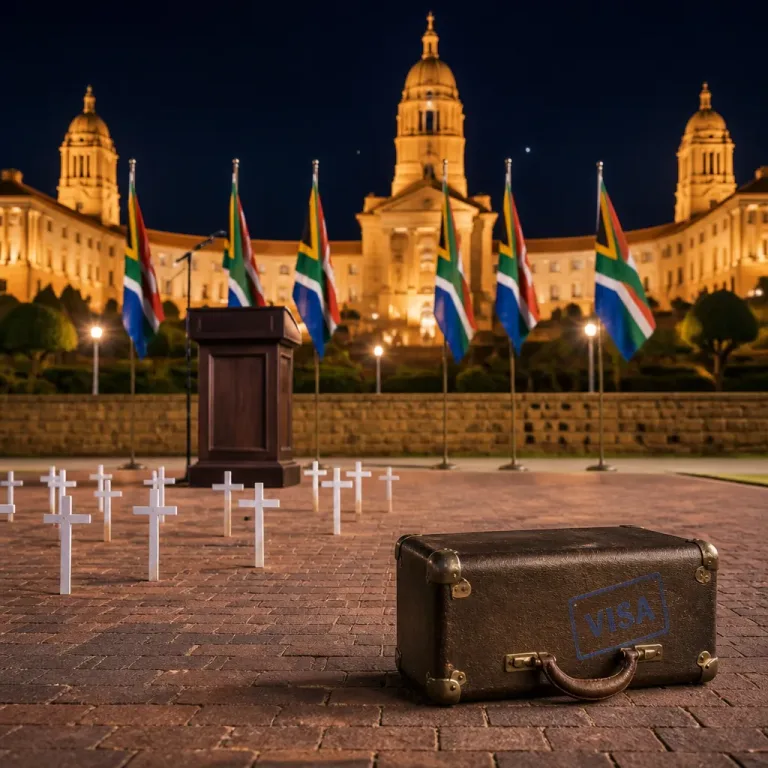
President Cyril Ramaphosa is expected to assume the chairpersonship of the Southern African Development Community (SADC) when leaders from the bloc’s 16 member states meet in Durban on 17 August 2026.
Summit focus: from commitments to deliverables
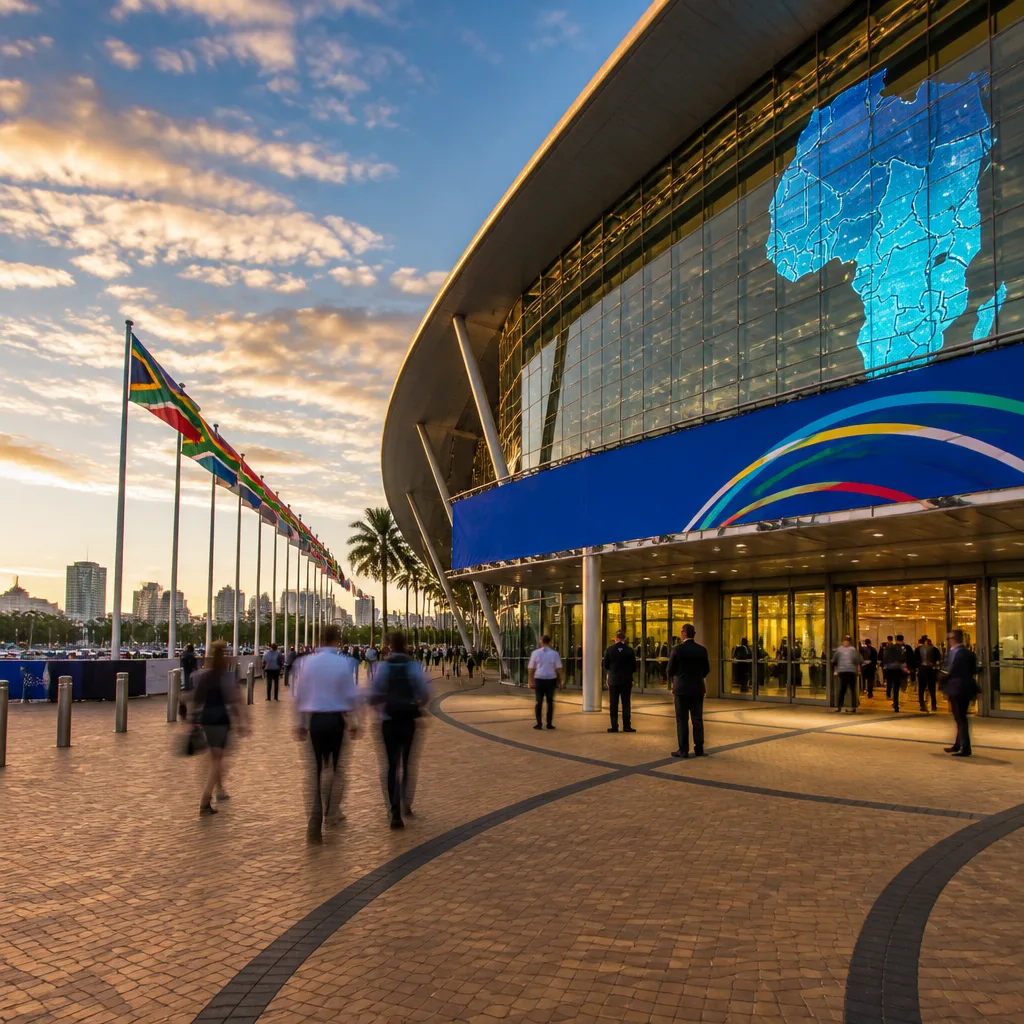
South Africa has signalled it will use its year leading the regional bloc to convert regional commitments into concrete outcomes. Officials say migration, trade, critical minerals, industrialisation and regional security will dominate discussions at the 46th Ordinary SADC Summit, to be held at the Inkosi Albert Luthuli International Convention Centre.
International Relations and Cooperation Minister Ronald Lamola framed the task in practical terms, urging member states to narrow the gap between policy instruments and institutional capacity.
“Let us use this moment to renew our commitment to bridging the distance between the ambitions expressed in our regional instruments and the capacity of our institutions to realise them,” Lamola said.
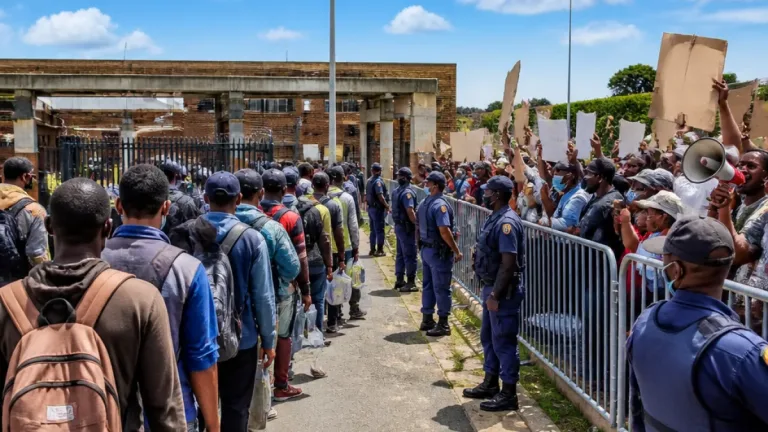
Migration is expected to attract particular attention. South Africa plans to press SADC members to ratify the Protocol on the Facilitation of Movement of Persons, which would establish a regional framework for the movement of people. The issue comes as South Africa faces growing tensions over irregular migration and border control.
“I encourage all the remaining Member States to accelerate ratification and enable our citizens to truly integrate,” SADC Executive Secretary Elias Magosi said, noting that seven member states had ratified the protocol while 11 ratifications are required for it to enter into force.
Key priorities for South Africa’s SADC year
- Migration: push for ratification of the Protocol on the Facilitation of Movement of Persons and promote lawful, orderly regional cooperation on irregular migration.
- Trade and industrialisation: advance regional integration to boost industrial development and harness critical minerals for value addition.
- Security: address cross-border threats and strengthen regional mechanisms for peace and stability.
South Africa’s plan to prioritise practical outcomes reflects concerns that ambitious regional instruments have not always translated into action. The presidency intends to focus on measures that can be implemented within existing institutional frameworks.
Who will be at the summit
The summit will assemble leaders from all 16 SADC member states. The organisation comprises:
| Member states |
|---|
| Angola |
| Botswana |
| Comoros |
| Democratic Republic of Congo |
| Eswatini |
| Lesotho |
| Madagascar |
| Malawi |
| Mauritius |
| Mozambique |
| Namibia |
| Seychelles |
| South Africa |
| Tanzania |
| Zambia |
| Zimbabwe |
Delegates will consider whether the summit can produce the momentum needed for ratification of the movement protocol and other measures to deepen integration. SADC has long promoted free movement, but national sensitivities — especially around irregular migration — have slowed progress.
How member states respond to South Africa’s push for implementation will shape the region’s policy agenda during the 2026/27 chairpersonship. Officials say the presidency will prioritise actions that can be operationalised through existing SADC institutions and that respond to immediate regional challenges.
Details of specific proposals South Africa will table at the summit have not been disclosed in full. Delegates and officials will be watching closely for any measures that convert regional ambitions into enforceable and measurable programmes.
This story is developing; further details from summit communiqués and outcomes are expected after the meeting on 17 August 2026.