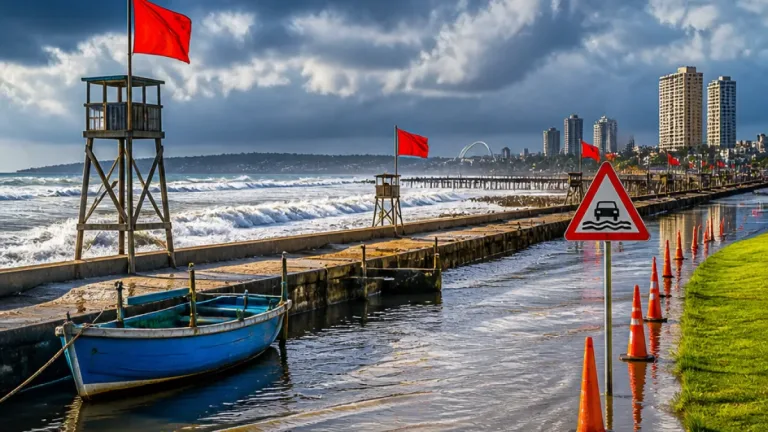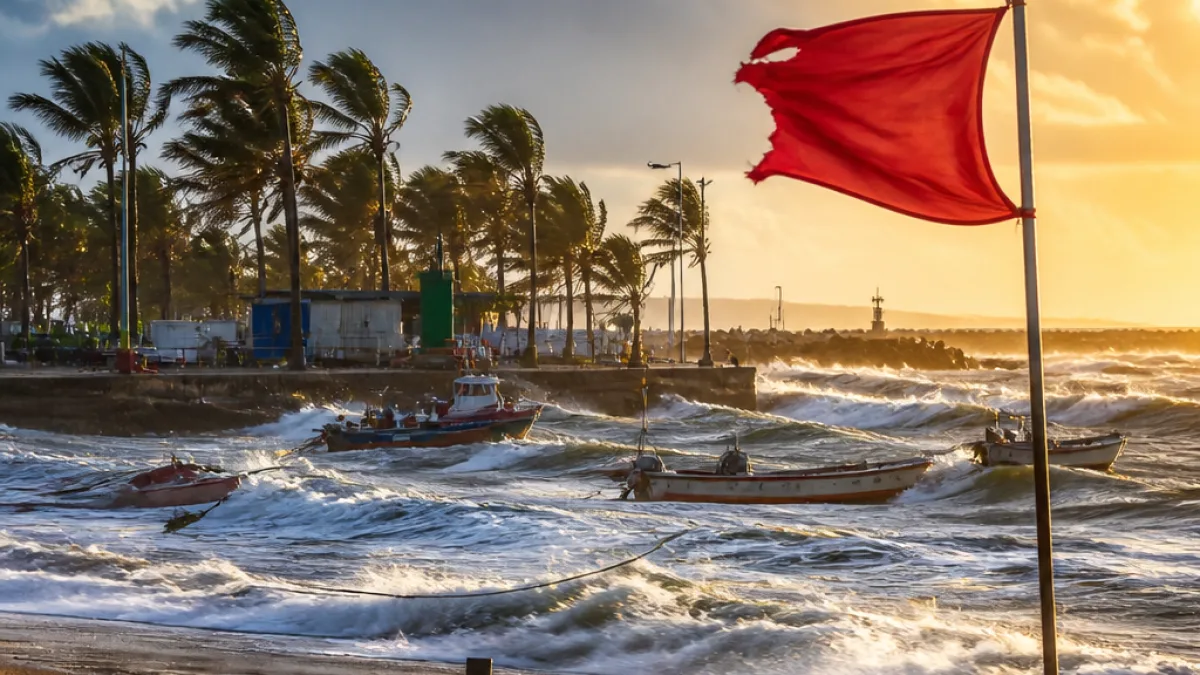
Durban — The South African Weather Service (SAWS) has issued impact-based Yellow Level 2 warnings for damaging winds along stretches of the KwaZulu‑Natal coast, with impacts expected to affect beachfront activities, small harbours and navigation for small boats.
Where the wind threat is strongest
SAWS says damaging winds are expected along the coast between Port Alfred and Port Edward, and along the coast and adjacent interior between Port Edward and Richards Bay. The agency warns of localised disruption to beachfront activities, difficulties navigating small boats and potential damage to coastal infrastructure and settlements.
The SAWS colour-coded warning system assigns yellow to situations that pose a moderate risk of impact and require caution and awareness. The service also uses numbered likelihood levels; in SAWS’ terminology, Level 2 indicates a high likelihood of impact occurring in this context.
What residents and small-boat operators should know
- Small-boat operators and commercial skippers should reconsider launches and seek up-to-date harbour notices before leaving port.
- Beachfront activities — including events and informal trading — may be locally disrupted; organisers should monitor conditions and postpone where necessary.
- Owners of light structures and informal dwellings near the shore should secure loose items and be prepared for sudden gusts.
Coastal towns and municipalities are being urged to keep disaster‑management and municipal emergency teams on alert as winds strong enough to cause localised damage are expected. The warning also highlights the potential for disruption to small harbours and ports, where navigation and mooring can become hazardous in short periods.
Context across the country
SAWS’ broader forecast for the day shows wet conditions in parts of the Eastern Cape, KwaZulu‑Natal, Mpumalanga and Limpopo, while other provinces are expected to be partly cloudy to cool, with scattered showers in eastern areas. The weather service’s advisory emphasises paying attention to localised warnings as conditions change rapidly along exposed coastal stretches.
| Warning | Area | Likely impacts |
|---|---|---|
| Yellow Level 2 | Port Alfred – Port Edward (coast) | Disruption to beachfront activities; difficulty for small boats |
| Yellow Level 2 | Port Edward – Richards Bay (coast & adjacent interior) | Disruption of small harbours/ports; localised damage to infrastructure |
"Yellow indicates a moderate risk of impact that requires caution and awareness," SAWS said, adding that their numbered system shows the likelihood of weather-based impacts occurring.
Local impact and practical advice
For KwaZulu‑Natal’s coastal communities — from small fishing villages to larger ports — strong wind events are disruptive even when they are short-lived. Smaller craft without modern navigation and safety equipment are most at risk. Municipalities often have contingency plans for clearing beachfronts and closing promenades; residents should follow municipal social media channels and emergency hotlines for real-time instructions.
Practical steps to reduce risk include securing or removing loose objects from yards and pavements, avoiding sheltered coastal paths where falling debris might be a danger, and delaying non-essential maritime activity until the warning has lapsed. If you live in low-lying coastal housing, keep a battery-powered radio or your mobile phone charged to receive updates.
Fisherfolk and tourism operators are advised to liaise with harbourmasters and local coastguard services before operating. Tourists planning beach visits should check with accommodation providers and event organisers for status updates.
Staying informed
SAWS updates warnings and forecasts on its website and social platforms. Local municipalities and the National Sea Rescue Institute (NSRI) also post advisories when coastal conditions threaten safety. For fast-moving weather along KwaZulu‑Natal’s exposed coastline, checking multiple official sources will help residents make timely decisions.
While the current warnings are yellow rather than orange, the distinction is important: yellow calls for vigilance and preparation; orange would indicate a higher risk and require heightened readiness. Residents in the affected corridors should keep an ear to weather updates and take sensible precautions over the coming hours.
Durban and other coastal communities will feel the effects in varying degrees — those living and working along the beachfront and in small-harbour areas should plan for disruption until SAWS lifts the warnings.