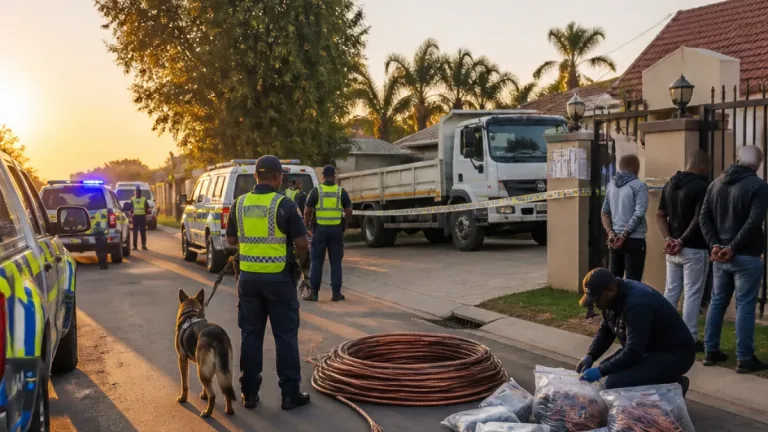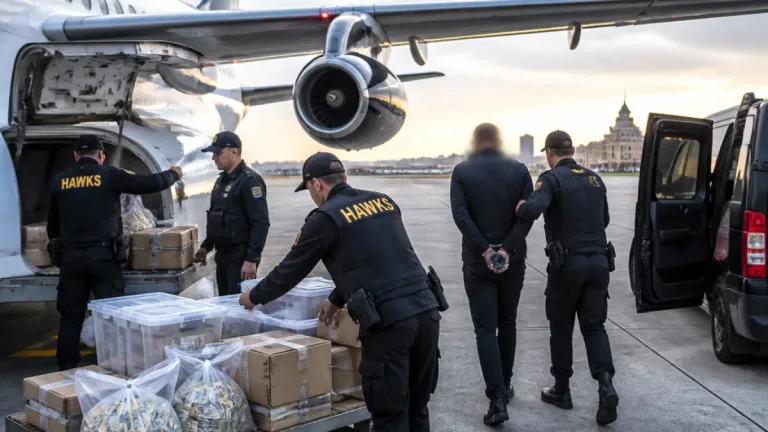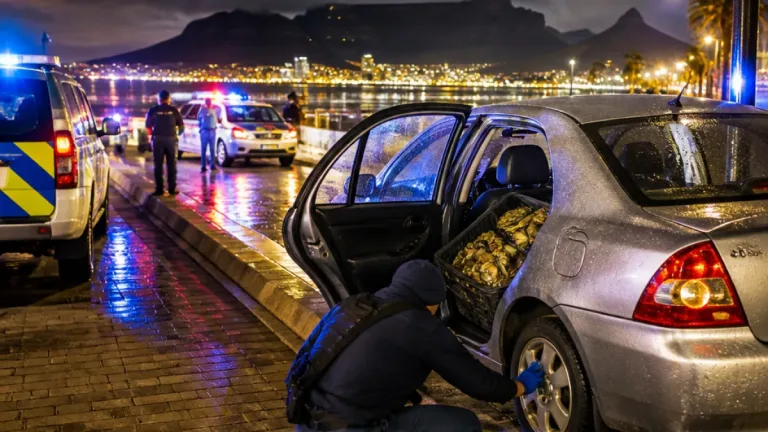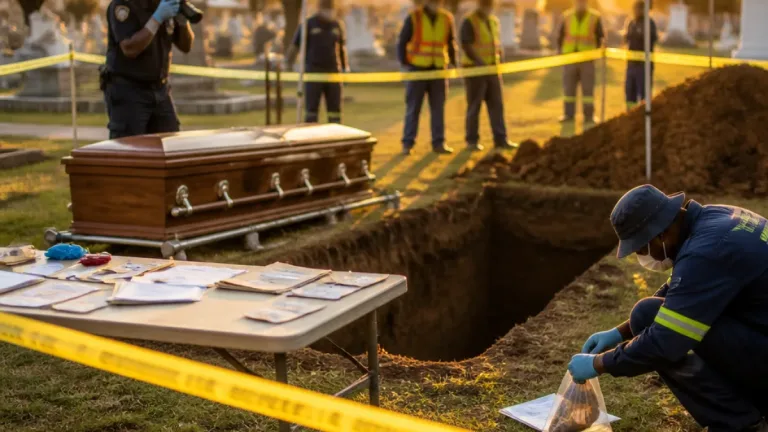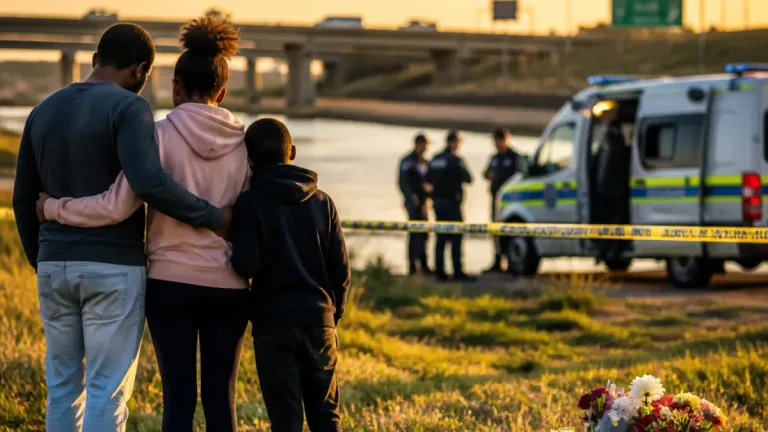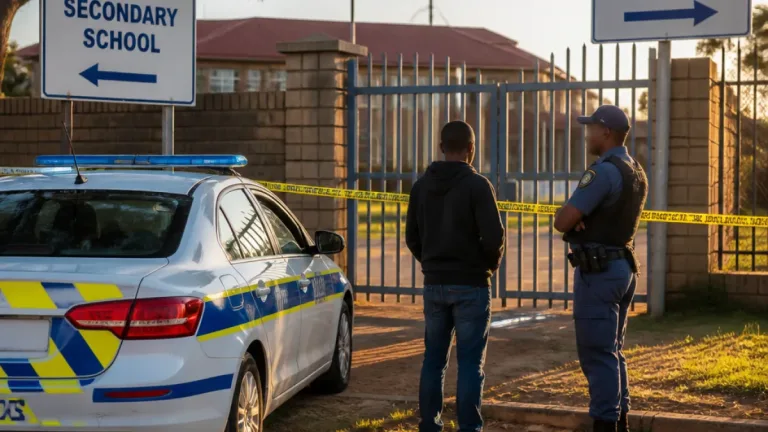
The South African Police Service (SAPS) in the Free State has issued a caution to the public over the creation and dissemination of artificial intelligence (AI) and face‑swap images that portray people as police officers or show them being arrested. The provincial service said such images may amount to impersonation and warned of legal consequences for misuse.
Legal restrictions and protected insignia
SAPS referred to section 68 of Act 68 of 1995, noting that the legislation prohibits falsely presenting oneself as a member of the police or creating the impression of a connection to the Service. The provincial statement also emphasised that the official SAPS badge and emblem are protected and may not be reproduced, altered or used without the required permission.
| Reference | What it restricts |
|---|---|
| Section 68, Act 68 of 1995 | False representation as a police member or creating impression of SAPS affiliation |
| National Instruction 5 of 2017 | Controls use of social media by SAPS members, including photographs of members in uniform and insignia |
The provincial SAPS statement reminded the public that even serving members are subject to social‑media rules, pointing to National Instruction 5 of 2017 which regulates how members may use social media and restricts unauthorised posting of images in uniform or displaying SAPS insignia on private accounts.
Risks of realistic AI images
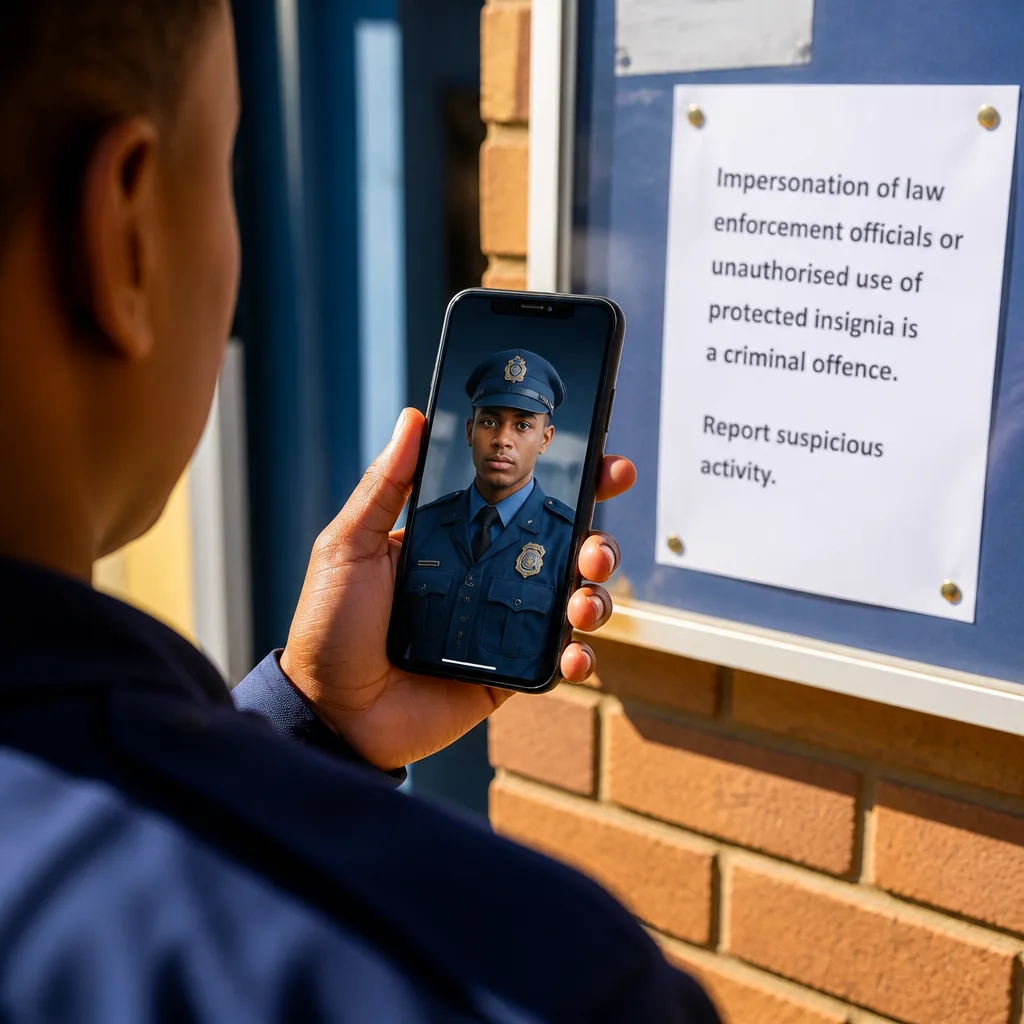
According to the SAPS release, the use of AI tools and face‑swapping applications to generate realistic images that show people wearing police uniform or being arrested "may seem like harmless fun" but can be easily mistaken for genuine photographs and have serious consequences if used to mislead or deceive others.
"The trend of using AI and face‑swapping applications to create realistic photographs in police and other official uniforms may seem like harmless fun. However, the SAPS warns that these images can easily be mistaken for real photographs and may have serious consequences if they are used to mislead or deceive others."
The SAPS also highlighted concern about AI‑created images that purport to show individuals being placed under arrest. Such imagery, the statement said, can falsely suggest that a person has been arrested or involved in criminal conduct when this is not the case.
What the SAPS advises
The Free State police urged members of the public to refrain from producing or sharing images that imitate police uniforms or insignia, and warned that how such images are used determines whether a criminal offence has been committed. The statement made clear that merely creating an AI image does not automatically constitute a crime, but deliberate deception or impersonation could trigger legal action.
- Do not generate or share images that portray you or others as SAPS members without authorisation.
- Do not use the SAPS badge or emblem on personal profiles or altered images unless formally permitted.
- Be cautious about sharing images that suggest arrests or criminal conduct; they may harm reputations and mislead others.
The advisory from the Free State adds to a growing national conversation about the misuse of AI imagery and the potential harms when realistic falsified visuals are circulated on social media. For law‑enforcement agencies, the issue raises questions about enforcement, evidence verification and the reputational impact on both citizens and serving members.
Legal experts and digital‑forensics practitioners have previously emphasised that verifying the provenance of images and assessing intent are central when determining whether a criminal offence has occurred. The SAPS statement underlines that South African law already contains provisions aimed at preventing false representation as a police official, and that these protections extend into the digital sphere.
Members of the public seeking clarification about permissible use of SAPS insignia or reporting suspected impersonation are advised to contact their nearest police station or consult official SAPS communications for guidance.
This advisory from the Free State follows reports of an increase in AI‑generated material worldwide and reflects efforts by institutions to warn citizens about legal boundaries and potential harm arising from the spread of deceptive digital imagery.