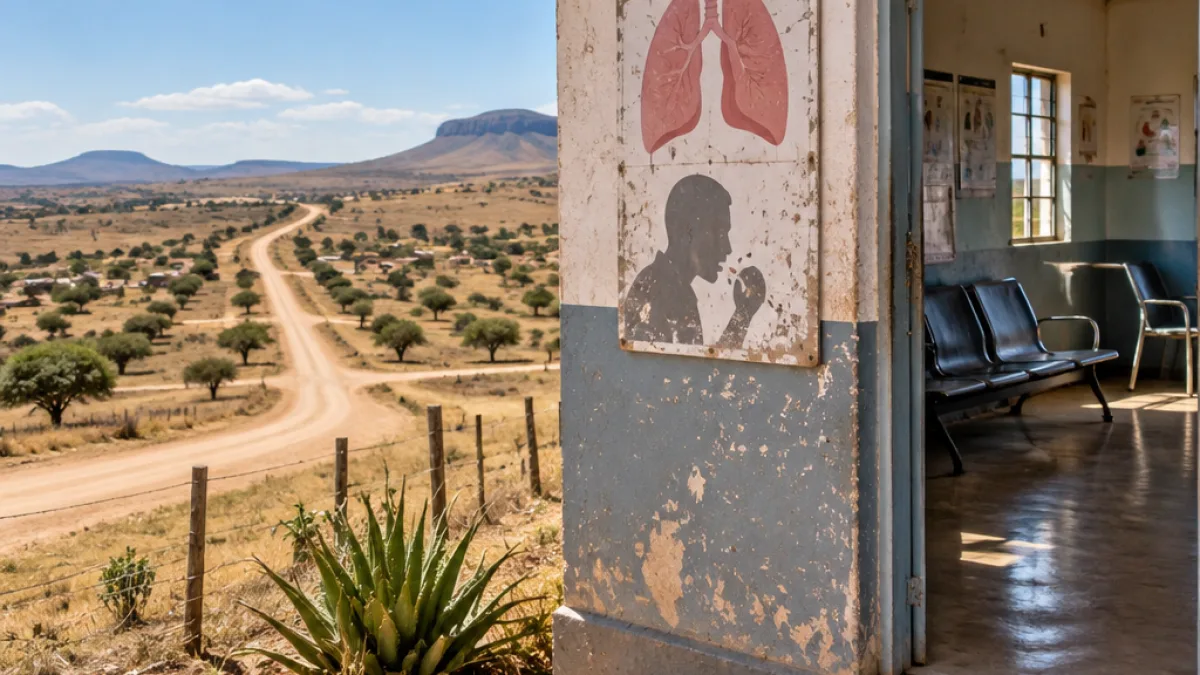
South Africa’s plan to eliminate tuberculosis as a public health threat by 2030 is being undermined by severe barriers in rural healthcare, including long travel distances, staff shortages, poor infrastructure and economic hardship, according to a report by the Rural Healthcare Advocacy Project (RHAP).
The organisation said these conditions are limiting access to TB diagnosis and treatment and contributing to uneven care across the country. The warning comes as South Africa continues to face a heavy TB burden, including high levels of drug-resistant disease and HIV co-infection.
Rural access remains a major obstacle
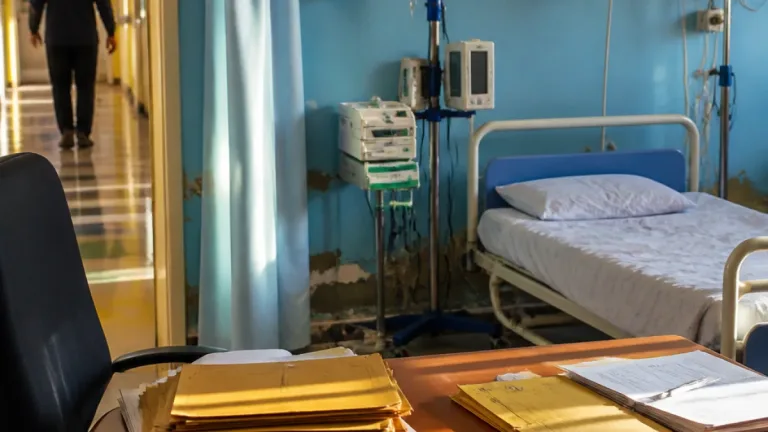
According to the report, the National Strategic Plan for HIV, TB and sexually transmitted infections cannot achieve its objectives if people in rural areas are unable to reach adequately resourced health facilities. Long distances and inadequate infrastructure make it difficult for patients to access services, while staffing deficits place additional pressure on clinics that are already under-resourced.
These problems are compounded by poverty, unemployment and income inequality. The report identified the country’s economic hardship as part of the wider environment in which TB continues to spread. For people living far from health facilities, the practical difficulties associated with reaching care can become an additional barrier to diagnosis and completing treatment.
- Long distances can restrict access to TB testing and treatment.
- Staff shortages and under-resourced clinics weaken healthcare capacity.
- Poor infrastructure makes service delivery more difficult in rural areas.
- Poverty, unemployment and inequality intensify existing health barriers.
National strategy faces implementation pressure
The South African National Aids Council developed the current National Strategic Plan during 2022 and early 2023. Cabinet approved the plan on 2 March 2023, and it was publicly launched on 24 March 2023. Its purpose is to eliminate HIV, TB and sexually transmitted infections as public health threats by 2030.
The five-year framework, valued at R268 billion, is built around four linked priorities: removing barriers to services; expanding fair access to prevention, treatment and care; strengthening health systems alongside social protection and pandemic preparedness; and securing sustainable funding and accountable governance.
| Measure | Reported detail |
|---|---|
| TB incidence | R468 per 100 000 people in 2022 |
| Strategic plan period | 2023 to 2028 |
| Framework value | R268 billion over five years |
| Elimination target | 2030 |
A continuing TB and HIV crisis
TB remains South Africa’s leading natural cause of death, the report stated. The country is also dealing with a serious TB and HIV co-infection crisis, particularly in rural regions, while drug-resistant strains make prevention, diagnosis and treatment more difficult.
The report placed South Africa’s challenges within a wider international context. Globally, it said, 10.8 million of an estimated 39.9 million people living with HIV or Aids developed TB in 2023. Although TB mortality has declined in many parts of the world as care has improved, South Africa continues to experience a substantial burden of disease.
The national plan seeks to respond through community leadership, co-operation between sectors, technology, stronger local funding and tighter accountability. RHAP’s assessment, however, indicates that these measures will not be sufficient unless the underlying weaknesses in rural healthcare are addressed.
Improving access to diagnosis and treatment is important not only for individual patients but also for controlling transmission and reducing the risk of further drug resistance. Anyone who is concerned about TB, HIV or related symptoms should consult a doctor or clinic rather than attempting to self-diagnose. The report’s central warning is that South Africa’s 2030 ambition depends on whether healthcare services are reachable and properly supported in the communities carrying much of the disease burden.