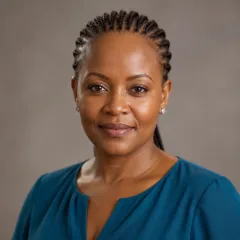
The People’s Republic of China formally confirmed Dr Song Li’s candidacy for World Health Organization Director‑General on 8 October, advancing a platform that, according to the country’s Permanent Mission in Geneva and reporting by Health Policy Watch, prioritises primary care, maternal and child health, and strengthened multilateral cooperation.
Administrative record and priorities
Song Li is a senior official at China’s National Health Commission (NHC) with two decades of experience in public health administration and clinical medicine, according to the candidate profile compiled by Health Policy Watch. Her career has focused on scaling up primary healthcare, improving maternal and child health services and integrating disease prevention across sectors.
In its written response to Health Policy Watch, China’s Permanent Mission in Geneva said Song has a track record of translating policies into operational programmes and of leading cross‑sectoral coordination. The Mission described her capacities in strategic leadership, policy development, programme implementation and organisational management:
“She has a strong track record of translating policies into concrete actions, with demonstrated capabilities in strategic leadership, policy development, programme implementation, organizational management and cross‑sectoral coordination.”
What her prospective platform signals
Although Song has not published a standalone campaign manifesto, public remarks and her administrative record point to a likely programme built on four main pillars, drawn from her NHC background and statements at regional WHO hearings.
- Primary healthcare strengthening — expanding access to front‑line services and integrating prevention with primary care delivery.
- Maternal and child health — continued prioritisation of antenatal, obstetric and child health services.
- Equitable health emergency response — improving readiness and equity in outbreak and emergency settings.
- South‑South cooperation — enhancing technical collaboration among low‑ and middle‑income countries.
| Prospective pillar | Emphasis |
|---|---|
| Primary healthcare | Service coverage, prevention, integration |
| Maternal & child health | Scaling effective programmes and maternal services |
| Emergency response | Equitable preparedness and response mechanisms |
| South‑South cooperation | Technical assistance and partnerships among developing countries |
Geopolitical context and institutional implications
Song’s nomination reshuffles a competitive field of candidates and unfolds against heightened US‑China strategic competition. Health Policy Watch highlighted that her political role on the Secretariat of the All‑China Women’s Federation is part of the broader public profile Beijing advances in Geneva. China framed the candidacy as supporting a “community of health for all” and as a reaffirmation of multilateralism, according to the Mission’s communication.
For South Africa and other African countries, the WHO Director‑General election matters for how global priorities are set, how technical cooperation is organised, and for the direction of financing and normative guidance on issues such as universal health coverage, emergency preparedness and primary care reform.
Election process and next steps
Health Policy Watch noted that Song’s confirmation by Beijing expands the official candidate list to seven. The WHO Director‑General selection process will include formal briefings, Member State consultations and a vote by the World Health Assembly. Candidates customarily present priorities in regional hearings and in written submissions to WHO Member States.
As the campaign proceeds, Member States will weigh track records, policy priorities and the institutional approach each candidate proposes for WHO’s technical leadership. For South African clinicians, health managers and policymakers, the outcome could shape cooperation on primary care strengthening and capacity building.
Readers with health concerns should consult their local clinic or treating clinician rather than relying on high‑level policy debates for personal medical advice. WHO leadership influences system‑level priorities but does not replace clinical guidance in individual care.
Reporting for this article draws on the candidate profile and statements collated by Health Policy Watch and on the written confirmation from China’s Permanent Mission in Geneva.