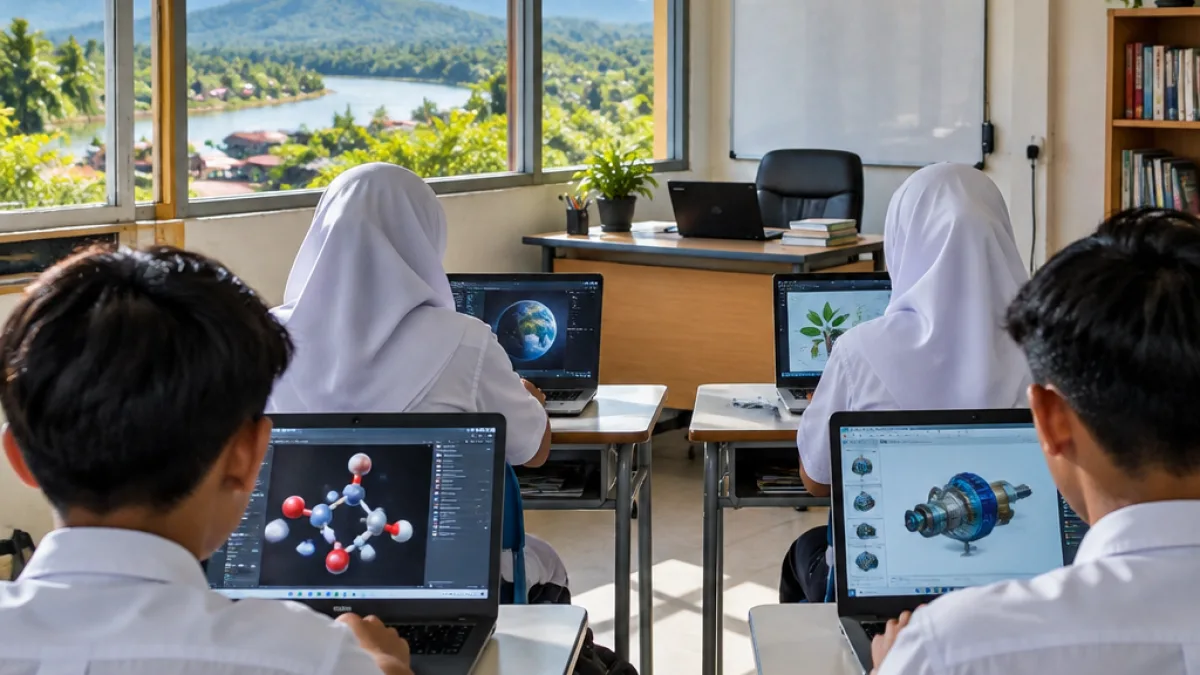
Students at SMK Kubong in Limbang, Sarawak, are set to receive free online tuition in Science, Technology, Engineering and Mathematics (STEM) through sponsorship from Exim Bank Malaysia.
The initiative is being delivered through the Hornbill Foundation’s No Kids Left Behind programme, which focuses on improving access to additional learning opportunities for learners in rural communities. The partnership was welcomed by Sarawak Premier Datuk Patinggi Tan Sri Abang Johari Tun Openg during a ceremony at the Telang Usan Hotel.
Closing an uneven starting line
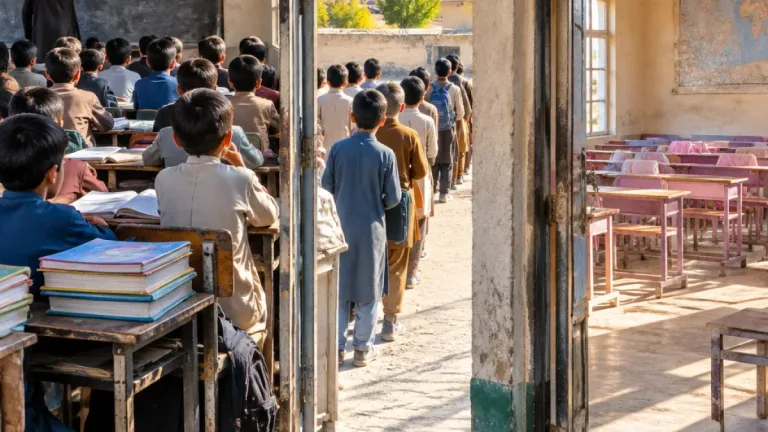
Abang Johari said education was a foundation for social progress, but acknowledged that learners did not all begin with the same advantages. Children in rural and remote areas may have less access to experienced teachers, quality learning materials and opportunities to develop their abilities, he said.
That gap can shape what learners are able to study, how confidently they approach difficult subjects and whether they can prepare for opportunities in a technology-driven economy. The central message of the initiative is that a learner’s prospects should not be determined by geography.
“Our responsibility is to ensure that a student’s future is determined by his or her ability, effort and aspiration, not by where he or she happens to be born or attend school,” Abang Johari said.
The Hornbill Foundation has been working to narrow the divide between rural and urban education, with a particular focus on STEM and English. Its work began with a pilot project in Long San in 2017. According to Abang Johari, the foundation has combined committed educators, online teaching and digital connectivity to reach learners who might otherwise struggle to access additional support.
Technology with a classroom purpose
The programme illustrates that internet access alone does not address educational inequality. Its value depends on whether connectivity links learners to capable teachers, suitable content and regular academic support. For a school such as SMK Kubong, online tuition can provide an additional layer of learning beyond the resources immediately available on campus.
The approach also places importance on the people behind the technology. Digital platforms may extend the reach of educators, but learners still require explanation, encouragement and opportunities to ask questions. The foundation’s model, as described by the Premier, brings those elements together rather than treating technology as a substitute for education.
| Element | Details |
|---|---|
| Beneficiary school | SMK Kubong in Limbang |
| Learning focus | STEM and English |
| Support | Free online tuition |
| Foundation work | Started with a pilot in Long San in 2017 |
Preparing learners for future opportunities
Abang Johari said the partnership would help rural learners aspire to and prepare for the same opportunities as their peers elsewhere. He linked the support to Sarawak’s development of a digital economy and to the need for young people to build skills for a world increasingly shaped by technology.
For learners and families, the immediate importance lies in access to structured academic assistance. Additional tuition cannot by itself remove every barrier faced by rural schools, but it can create another route to specialist teaching and learning resources. The initiative also recognises that closing an education gap requires more than setting common expectations; learners need practical support to meet them.
The programme’s stated priorities are:
- expanding access to STEM learning for rural learners;
- providing additional support in English;
- connecting students with educators through online teaching; and
- using digital connectivity to widen access to learning opportunities.
Abang Johari described each school gaining access to quality learning support as a step towards a more inclusive education system. The SMK Kubong partnership therefore carries significance beyond one school: it reflects an effort to ensure that a learner’s location does not decide the quality of academic opportunity available to them.