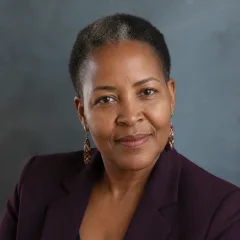
Riyana Suree knows that academic achievement does not always translate into opportunity. After completing university studies and developing a talent for dance, the transgender woman faced repeated rejection when she sought employment. She is now using that experience to help other transgender people access education, accommodation and work opportunities in Tamil Nadu.
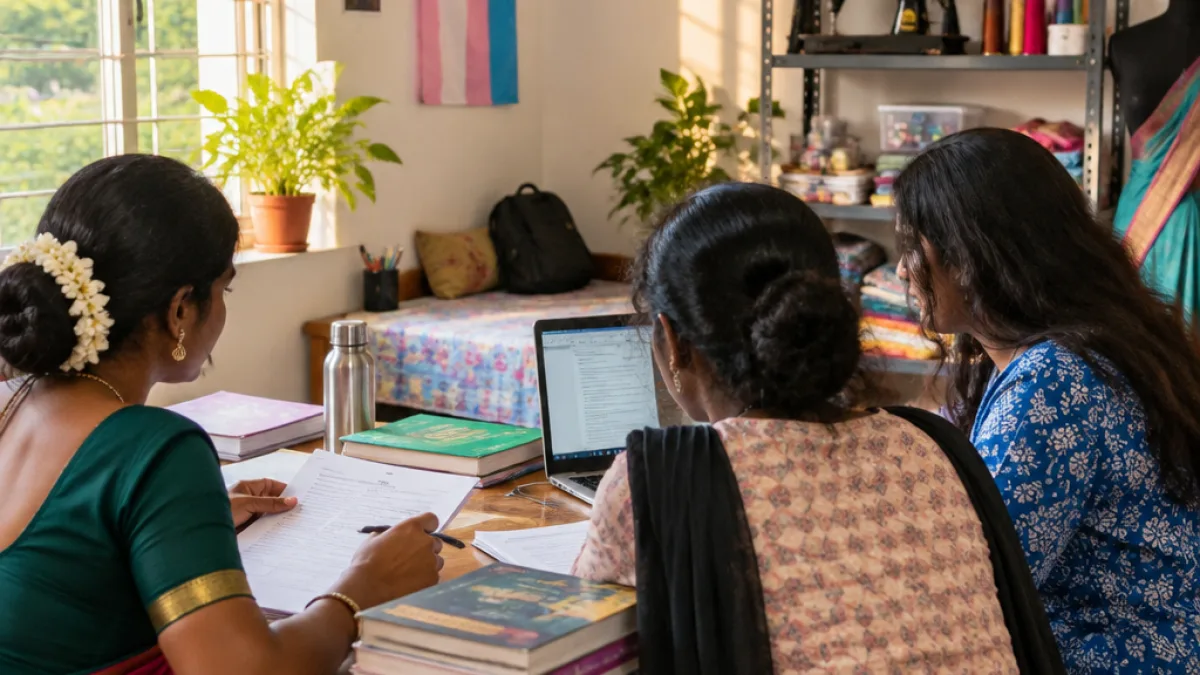
Through the Thiru Aval Trust, Suree assists transgender students in finding educational sponsors. The organisation also provides accommodation for people without a place to stay and supports those seeking employment and livelihood opportunities. Its work reflects the practical barriers that can stand between a learner and a qualification, including financial insecurity, housing instability and discrimination.
A qualification did not end the exclusion
Born in Dindigul in 1990 and brought up in Tiruchy, Suree began identifying herself as a girl at the age of 12. Her formal journey as a transgender woman began in 2006, according to reporting cited in the source material. Acceptance within her family was gradual. She was initially not permitted to dress as a woman at family functions, while her sister-in-law, Gayathri Lenin, helped the family understand and accept her identity.
Suree completed a bachelor’s degree in Physics at St Joseph’s College in Tiruchy before pursuing postgraduate studies at Jamal Mohamed College. Dance was another important part of her life, and she won several competitions. Yet her qualifications and abilities did not protect her from exclusion in the labour market.
In 2013, she applied to two or three private companies, including businesses in the information technology sector. The applications ended in repeated rejections, an experience that weakened her confidence to approach further organisations. People who had initially expressed interest in learning dance from her also reportedly changed their minds after learning that she was transgender.
| Area | Support provided through the trust |
|---|---|
| Education | Help for transgender students to find sponsors |
| Housing | Accommodation for people with nowhere to stay |
| Livelihoods | Support for employment and work opportunities |
From personal setback to practical support
After struggling to find a suitable professional opportunity, Suree joined the Tamil Nadu State AIDS Control Society as an outreach worker under a government programme. She earned Rs 8,000 a month in that role. Her later work through the trust has placed the focus on reducing the isolation faced by transgender people who are trying to study, find secure housing or establish an income.
The education element is particularly significant. Sponsorship can help students remain enrolled, but learners also need a safe place to live and a realistic route into employment after completing their studies. By combining these forms of assistance, the trust addresses several pressures that can otherwise push students out of education before they have the chance to use their qualifications.
Suree’s experience also highlights the difference between formal access and meaningful inclusion. A student may reach higher education, earn a postgraduate qualification and still encounter barriers when applying for work. For transgender learners, acceptance by families, institutions and employers can shape whether education leads to independence.
- Education sponsorship can help transgender students continue their studies.
- Accommodation assistance can provide stability for people without family or housing support.
- Employment guidance can help qualified transgender people pursue livelihoods after studying.
Suree’s response to discrimination has been to create support for others facing similar obstacles. Her work does not erase the rejection she experienced, but it seeks to ensure that transgender students and jobseekers do not have to navigate those barriers alone. For families, educators and employers, her story underlines the need to view inclusion not as a single policy, but as continuing support across a person’s education, housing and working life.