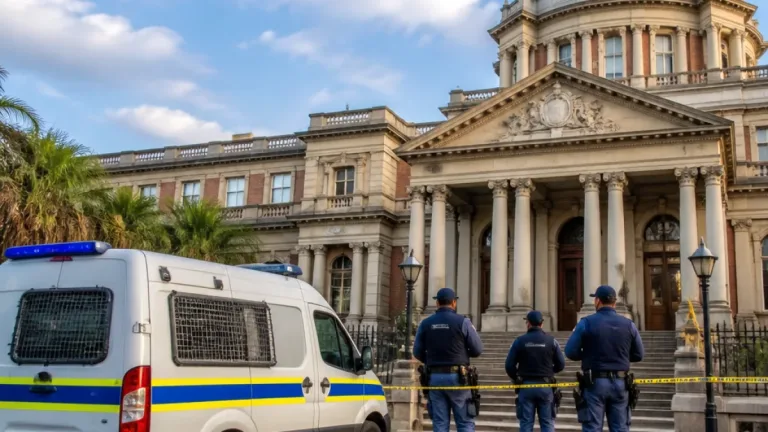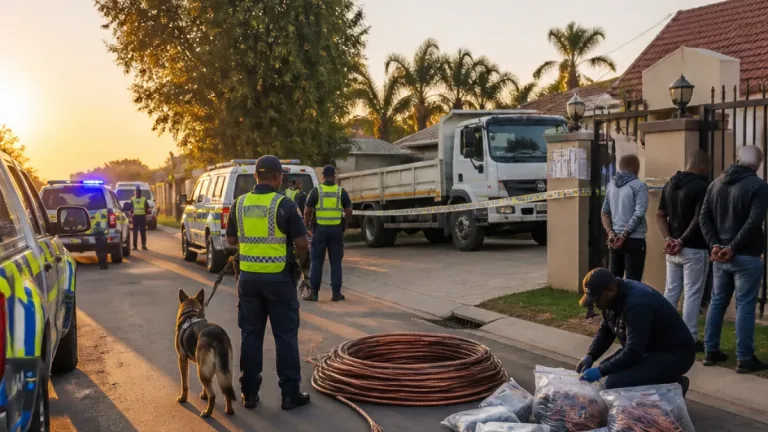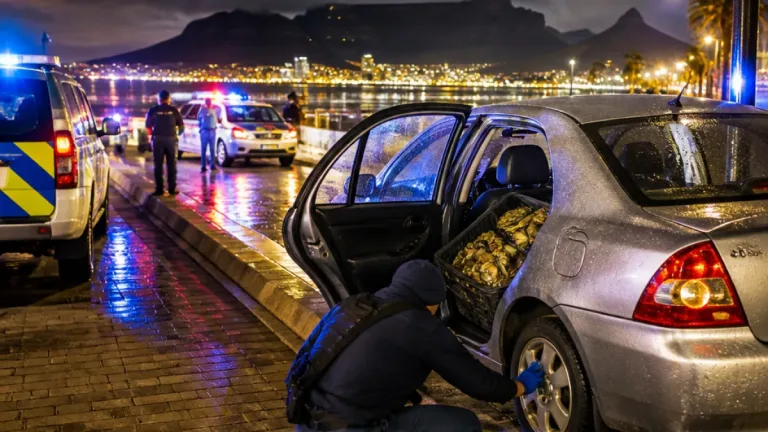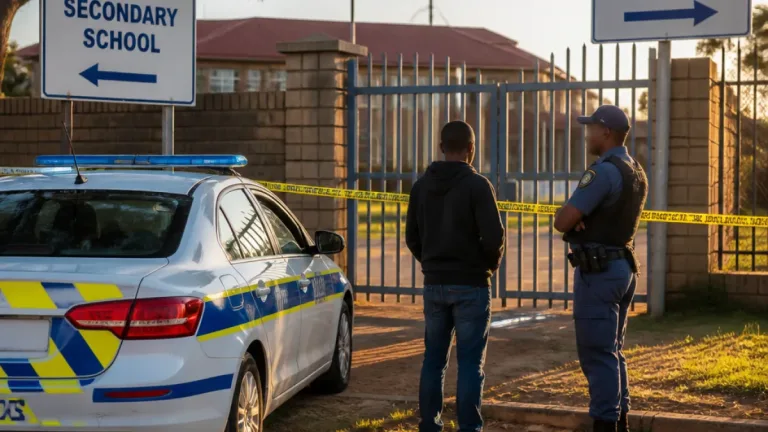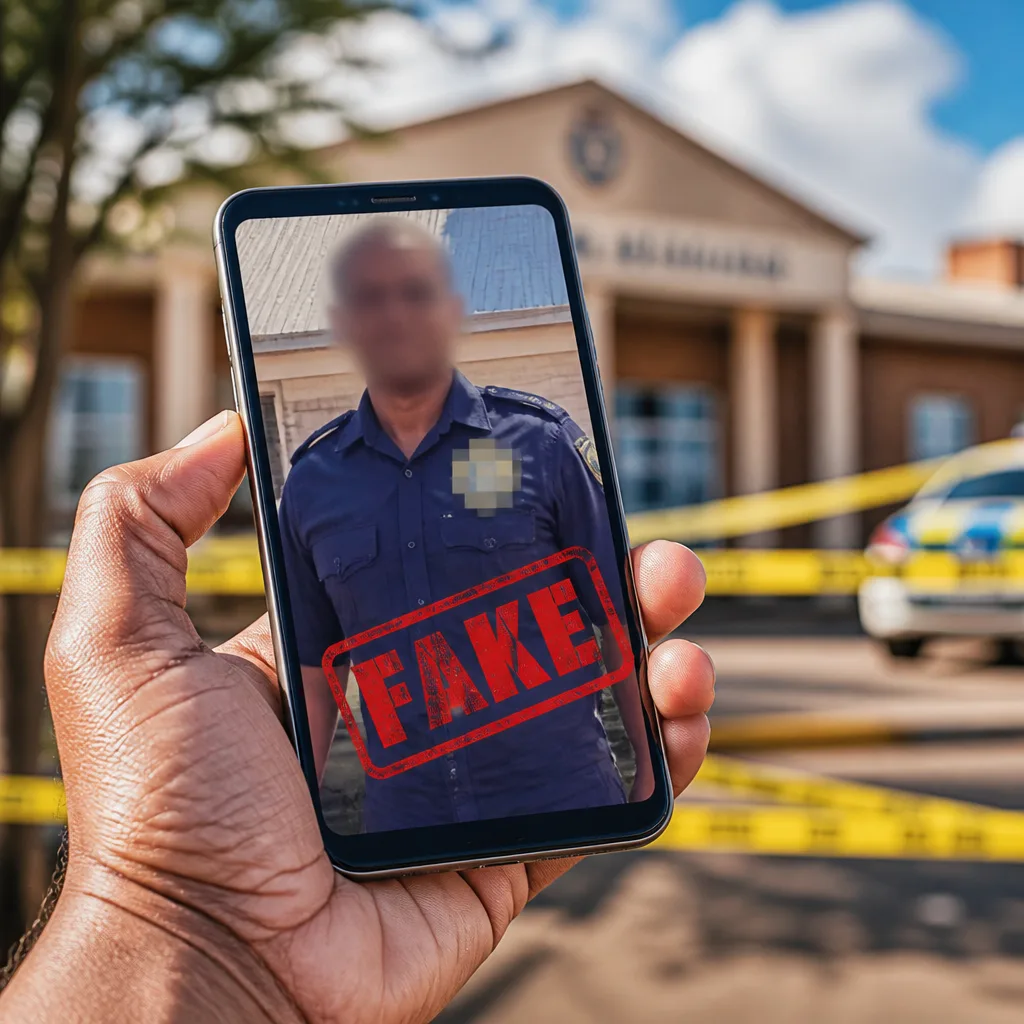
The South African Police Service (SAPS) has issued a national warning about the creation and circulation of artificial intelligence (AI) and face‑swap images that place people in police uniforms or appear to show them being arrested.
Police identify legal and reputational risks
SAPS spokesperson Captain Loraine Earle said the force is concerned these realistic images can be mistaken for genuine photographs and used to mislead, embarrass or otherwise harm people. The service cautioned that presenting oneself as a member of the SAPS, or creating the impression of a connection to the service, is unlawful.
According to the statement, the relevant legal prohibitions include:
- Section 68 of the South African Police Service Act 68 of 1995 — forbids falsely presenting oneself as a SAPS member or implying an official connection.
- Section 66 — regulates the unauthorised use of SAPS uniforms, badges and insignia.
- National Instruction 5 of 2017 — limits how members may post images in uniform or display insignia on private social‑media accounts without authorisation.
“We understand that people use AI for entertainment and to follow social‑media trends. However, when police uniforms, insignia or supposed arrests are involved, people need”
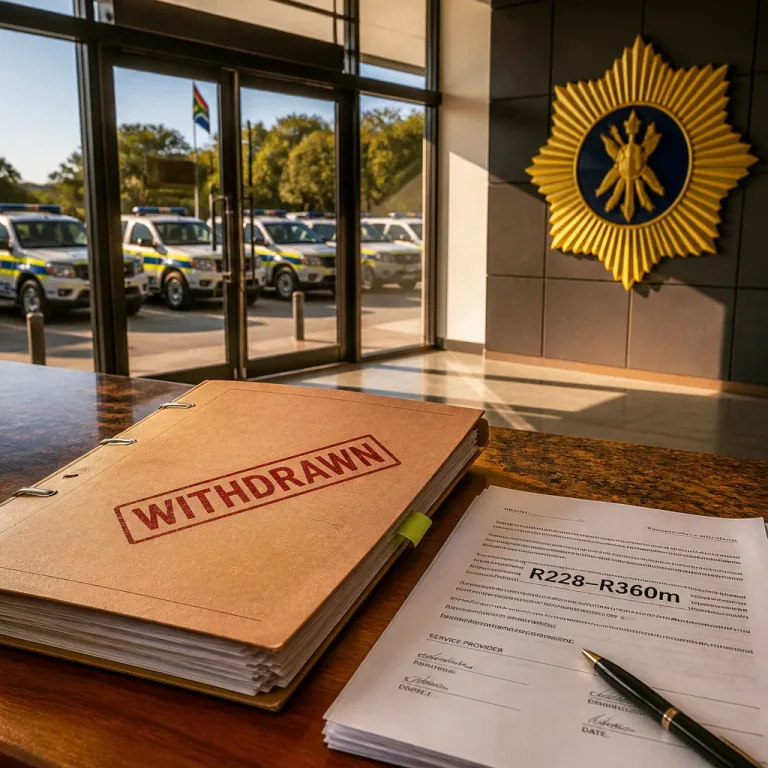
The SAPS statement noted the service’s emblem and official badge are legally protected. The badge was registered with the Bureau of Heraldry on 31 October 1995, and may not be copied, altered or used without permission. The statement further underlined that SAPS members themselves are bound by internal rules restricting the display of uniforms or insignia on personal social accounts.
When an image may become criminal
While the police emphasised that simply creating an AI image is not automatically a criminal act, the intended use and context matter. Earle said that if an image is deployed to deceive — for example to impersonate an official, to suggest an arrest occurred, or to influence others — that may cross into criminality under the cited provisions.
The SAPS highlighted specific concerns about AI pictures that purport to show people being arrested. Such images, even if fabricated, can create false impressions about a person’s involvement in criminal activity and have serious consequences for the individual’s reputation and safety.
| Issue | Relevant legal reference |
|---|---|
| False representation as SAPS member | Section 68, SAPS Act 68 of 1995 |
| Unauthorised use of uniform, badge, insignia | Section 66, SAPS Act 68 of 1995 |
| SAPS members’ social media conduct | National Instruction 5 of 2017 |
Practical implications and public guidance
The SAPS advisory serves as a reminder for several groups:
- Members of the public should think twice before creating or sharing images that place individuals in uniform or suggest arrests.
- SAPS members must adhere to internal social‑media rules and seek authorisation before posting images displaying uniforms or insignia.
- Recipients of such images should treat them with caution and verify their provenance rather than assume authenticity.
The police reiterated that misuse of the SAPS emblem and badge carries legal consequences and that images intended to impersonate an official or falsely depict an arrest may result in criminal charges. The service’s statement did not set out proposed new legislation or enforcement statistics, but focused on clarifying the existing legal framework and urging responsible behaviour online.
As AI tools become easier to use and more widespread, the SAPS message underscores a broader challenge for law enforcement and society: balancing legitimate creative and social‑media use of technology with the protection of individuals’ reputations and the integrity of public institutions.