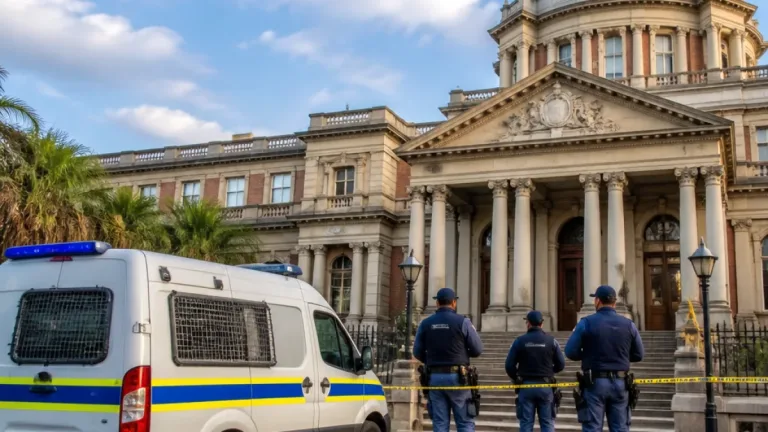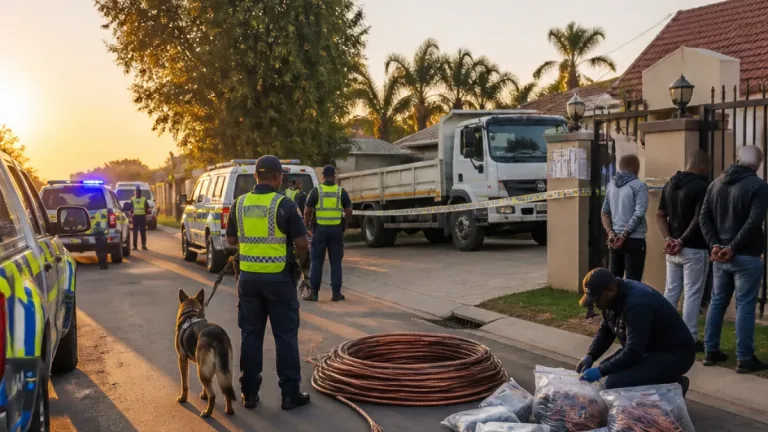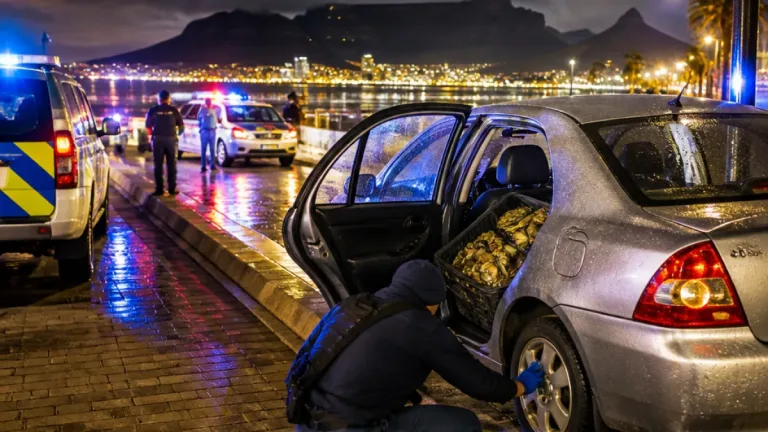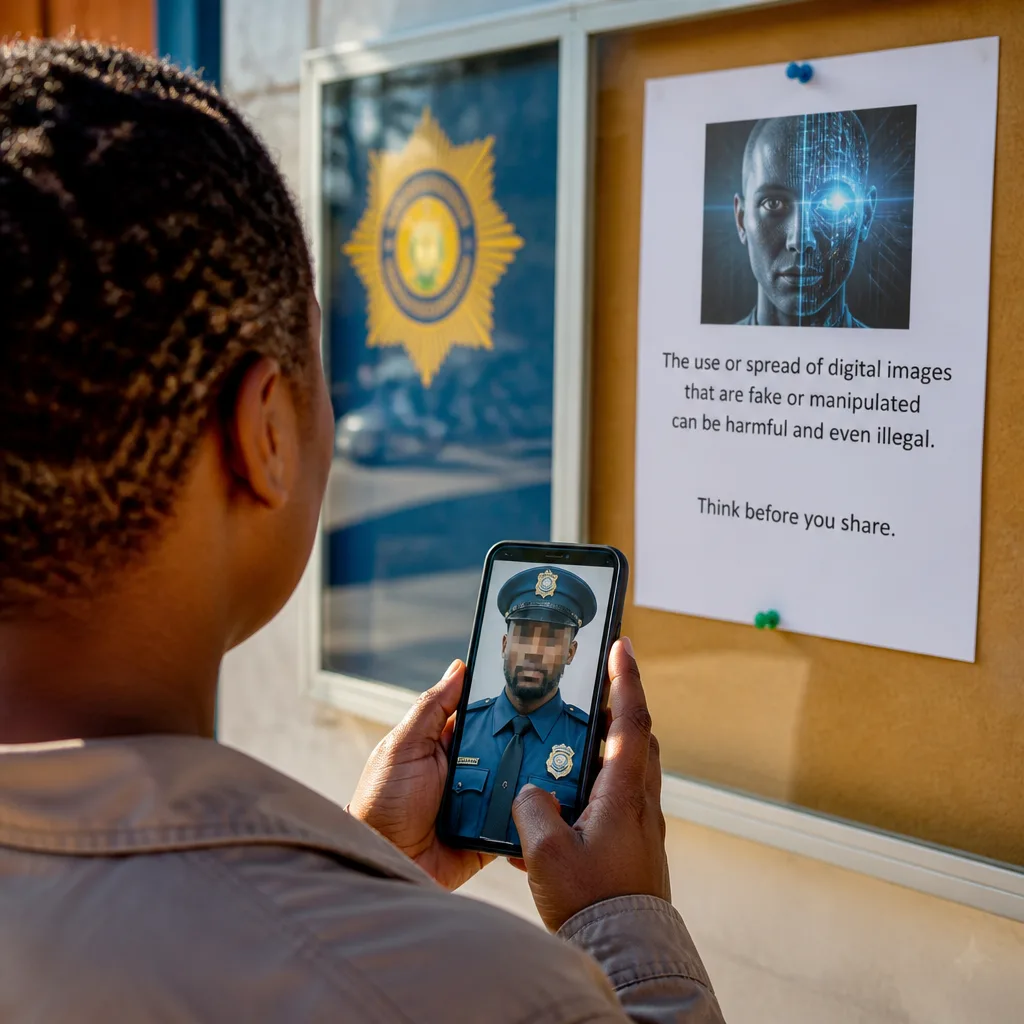
The South African Police Service (SAPS) has urged members of the public to exercise caution before producing or circulating artificial intelligence (AI) generated images that place people in police uniform or depict them as being arrested, saying such material can be mistaken for genuine photographs and may have serious consequences.
Legal protections, social‑media rules highlighted
In a statement published on its Facebook page on Friday, SAPS in the Free State said the increasing use of face‑swapping and other AI applications to create realistic imagery of people in official attire could mislead, deceive or harm others.
The service reminded the public that impersonating a police official is an offence and pointed to specific provisions of the South African Police Service Act 68 of 1995 that govern false presentation and the unauthorised use of uniforms, badges and insignia.
| Legal / regulatory reference | Subject |
|---|---|
| Section 68, SAPS Act 68 of 1995 | Prohibits falsely presenting oneself as a SAPS member or creating the impression of a connection to the Service. |
| Section 66, SAPS Act 68 of 1995 | Regulates unauthorised use of SAPS uniform, badges and insignia. |
| National Instruction 5 of 2017 | Sets limits on SAPS members' use of social media, including restrictions on posting uniformed photographs without authorisation. |
Risks and consequences flagged
SAPS said AI images that place people in uniform or show them being arrested can falsely suggest that a person is a police official or has been detained or involved in criminal activity. The service warned this could cause reputational damage, humiliation or other harm — outcomes that may follow even when no actual event occurred.
The statement also emphasised that the SAPS emblem and badge are legally protected and must not be copied, altered or used without the required permission, including on personal social media profiles.
- Impersonation: SAPS reiterated that presenting oneself as a police member can amount to a criminal offence.
- Insignia misuse: Unauthorised copying or use of badges and emblems is prohibited.
- Members' conduct: Police members remain subject to National Instruction 5 of 2017 on social media use and require authorisation to post uniformed images.
The service cautioned that the mere creation of an AI image does not automatically constitute an offence, but stressed the potential for harm when such images are shared and taken as real. It urged people to think twice before producing or distributing manipulated content that involves police identity or alleged arrests.
Context and broader implications
The warning comes amid a rapid expansion of consumer AI tools that can produce highly convincing face swaps and edited images. Law‑enforcement agencies globally have grappled with how to address synthetic media that can be used for impersonation, fraud, reputational attacks or to interfere with investigations.
By pointing to statutory provisions and its internal social‑media instruction, SAPS places the issue within an established legal and administrative framework. The notice serves both as a reminder to the public and as guidance to members on the channels and conditions for using SAPS imagery online.
Where harm occurs as a result of a manipulated image — for example, if someone falsely appears to have been arrested or is represented as a police official — victims may seek recourse through the criminal law or civil remedies. SAPS has not set out specific enforcement actions in its statement, but the reference to the relevant Act signals that existing statutes can be invoked in appropriate cases.
For now, the service's message is straightforward: the realistic nature of AI‑generated images can create real‑world consequences, and both members of the public and police personnel should be mindful of the legal and reputational risks before sharing or posting such material.