
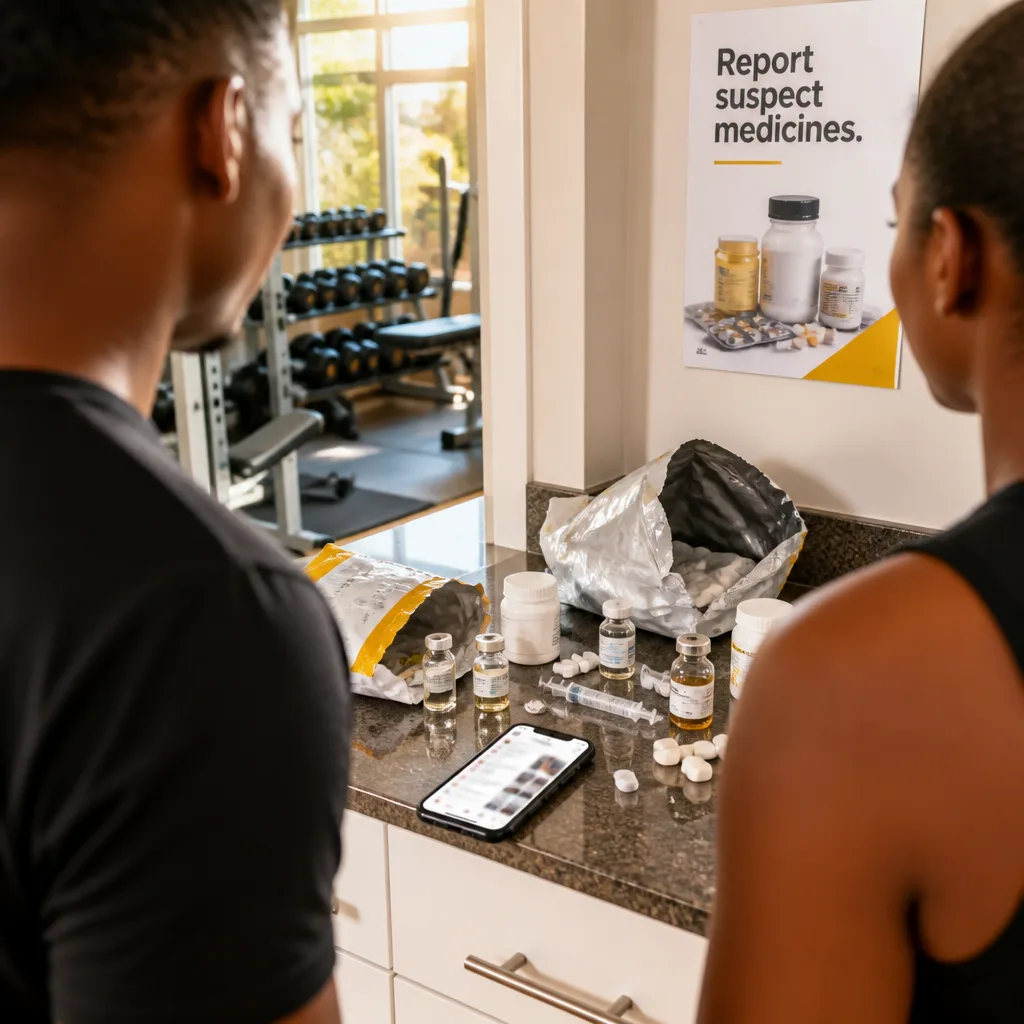
South Africa's health regulator has sounded the alarm over a growing trade in unauthorised medicines and injectable products sold through informal channels, including social media platforms, gyms and beauty outlets.
Regulator flags popular targets, new distribution routes
Mokgadi Fafudi, Head of Regulatory Compliance at the South African Health Products Regulatory Authority (SAHPRA), said the market for illicit products has expanded rapidly. Products most commonly targeted include weight-loss treatments, performance enhancers, codeine-based painkillers and skin-lightening products, she said.
Fafudi told reporters that sellers are increasingly using online influencers and e-commerce to promote and move products, often bypassing pharmacies and authorised healthcare providers. She warned that claims made online can mislead consumers into taking substances that have not been properly evaluated or approved.
“People see things on social media, and they become gullible to those… we see people, the influencers, for example, contributing immensely to this.”
SAHPRA is coordinating with multiple bodies to tackle the problem. The regulator said it is working with law enforcement agencies, the South African Pharmacy Council, government departments and digital platforms to disrupt supply chains and remove illegal listings.
Public awareness and reporting urged
As part of its response, SAHPRA has launched what it described as its largest public-awareness campaign to date. The regulator is urging consumers to obtain medicines and injectable products only from authorised pharmacies or licensed healthcare professionals.
Consumers who suspect they have purchased illicit products are encouraged to report details through SAHPRA’s website or whistleblower channels. Fafudi emphasised that many online sellers operate from outside South Africa, complicating enforcement and takedown efforts.
- High-risk products: weight-loss, performance enhancers, codeine-based painkillers, skin-lightening items.
- Common channels: social media, gyms, beauty salons, online shops and other informal outlets.
- Regulatory action: co-ordinated enforcement with police, Pharmacy Council, government departments and digital platforms; public-awareness drive.
Health risks and legal consequences
SAHPRA cautioned that products claiming to alter body shape, boost performance or change skin tone can present serious health risks if they have not undergone evaluation and approval. The regulator warned that distributing unauthorised medicines can lead to harsh legal consequences, and that people are effectively "gambling with their own health" when they use such products.
Fafudi also told officials that digital platforms pose particular challenges because some offerings are hosted outside the country’s jurisdiction, requiring coordination with the department responsible for digital communications to remove illicit listings.
| Issue | Regulatory response |
|---|---|
| Illicit sales on social media | Working with digital platforms and communications department to remove listings |
| Unauthorized injectable products | Targeted investigations and public-awareness campaign |
| Non-pharmacy distribution (gyms, salons, spaza-style outlets) | Collaboration with Pharmacy Council and law enforcement for enforcement |
SAHPRA invited the public to report suspicious products and outlets so that investigators can follow up. The regulator did not provide figures for seizures, prosecutions or the estimated size of the illicit market in its remarks.
This development follows earlier SAHPRA alerts about fake medication appearing in spaza shops, salons and on social media. The regulator’s renewed push underscores the growing challenge of policing online and informal markets for health products.
Authorities say consumers should be cautious about offers that promise rapid results or dramatic physical changes and should verify that a product is registered and being sold through legitimate channels before use.














