
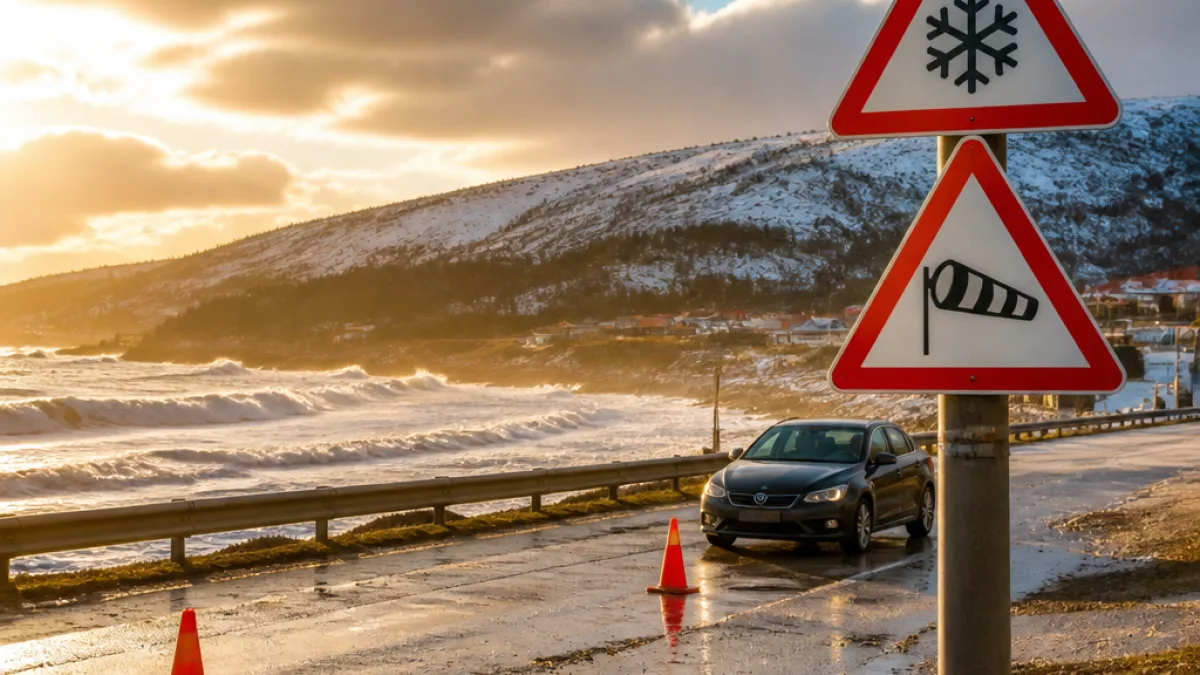
The South African Weather Service (SAWS) has issued warnings that snowfall is expected across parts of the Eastern Cape, as well as in eastern and southern Free State, KwaZulu‑Natal, Mpumalanga and parts of Gauteng as a cold front moves across the country.
Scope and immediate advice
SAWS flagged the system on 9 August 2026, saying snowfall is likely in higher-lying areas of the provinces named. The agency also warned of damaging winds linked to the same cold front. Residents, commuters and municipal services should monitor updates and prepare for rapidly changing conditions.
While the warning covers a broad area, the effects will be localised and more pronounced at higher elevations and exposed coastal stretches. Local authorities are the first line of coordination for road safety, municipal services and emergency response.
- Snowfall expected: Eastern Cape; eastern and southern Free State; KwaZulu‑Natal; Mpumalanga; parts of Gauteng.
- Associated hazard: damaging winds that can affect transport and exposed infrastructure.
- Who should prepare: motorists, farmers, municipal maintenance teams, schools and anyone living or travelling in higher-lying areas.
What residents and motorists should do
SAWS warnings are intended to give people time to prepare. Practical steps include ensuring vehicles are roadworthy for winter conditions, allowing extra travel time, securing outdoor items that could be blown away by strong gusts, and checking on vulnerable neighbours.
Public transport operators and road authorities are urged to update timetables and issue route advisories where necessary. Drivers should be cautious on mountain passes and bridges where ice or sleet can form, reducing grip and visibility.
Potential local impacts and responsibilities
Snow and strong winds can disrupt daily life even when snowfall is light. Municipalities may need to prioritise:
- Clearing and salting of critical road links where possible;
- Rapid response to wind damage, including fallen trees and loose signage;
- Checks on informal settlements and other vulnerable communities for heating and shelter needs.
Farmers and those in the agricultural sector should be alert to cold-related stress on livestock and crops and seek advice from extension services or agricultural support networks if concerned.
| Province | Primary hazard |
|---|---|
| Eastern Cape | Snowfall (higher ground); damaging winds |
| Free State (eastern & southern) | Snowfall (highlands); strong winds |
| KwaZulu‑Natal | Snowfall in mountainous areas; gusty winds |
| Mpumalanga | Snowfall in high-lying areas; adverse winds |
| Gauteng (parts) | Localized snowfall possible; windy conditions |
How warnings are issued and where to follow updates
SAWS issues graded warnings and updates as conditions evolve. Residents should check official channels for the latest advisories, and local municipalities and emergency services will publish relevant operational notices for roads, schools and shelters.
Emergency contact points include the local municipal emergency centre and SAPS for incidents requiring law-enforcement assistance. Road users should consult provincial road agencies for live traffic updates and closures.
Context — winter in the Eastern Cape
Winter systems that reach the Eastern Cape can bring a mix of cold coastal winds and snow in elevated inland regions. Even modest snowfall can affect travel on mountain passes and increase demand for municipal services. City and district councils typically coordinate preparedness actions in collaboration with provincial departments and non‑governmental relief groups when warnings are issued.
Residents are reminded that warnings are precautionary. Staying informed, limiting non-essential travel in affected areas, and taking sensible precautionary measures will reduce risk until the cold front passes and normal conditions return.
SAWS will issue further updates; people in affected areas should follow the service and municipal communications for the latest information.












