
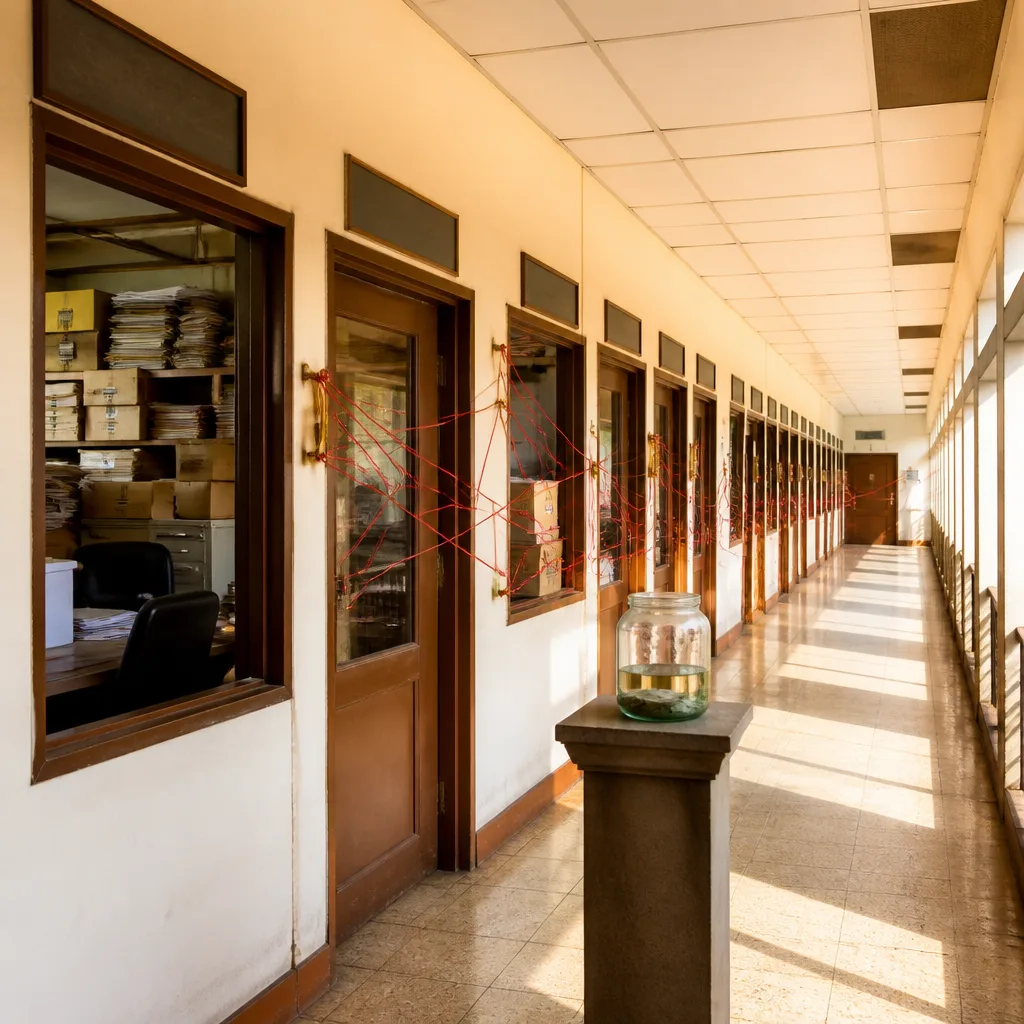
A new review by researchers at Cornell University’s State Policy Advocacy Clinic and watchdog group Reinvent Albany has concluded that New York State’s ethics oversight architecture is hindered by structural weaknesses that can leave watchdog agencies exposed to the officials they supervise.
Multiple bodies, muddled accountability
The in‑depth assessment, first reported by the Albany Times Union, examined a wide array of elected and appointed offices that together form the state’s ethics and oversight regime. That network includes constitutional officers such as the attorney general and the comptroller, as well as independent entities like the Commission on Ethics and Lobbying in Government, the Legislative Ethics Commission and the Authorities Budget Office.
Researchers told a programme called Capital Tonight that the chief problem is not simply the existence of many bodies but uncertainty over whether they co‑operate effectively or possess the strength they need to act decisively.
- Overlapping mandates among ethics and oversight agencies.
- Insufficient staffing and resources for investigative work.
- Budget processes that expose agencies to potential political influence.
Rachael Fauss, senior policy adviser for Reinvent Albany, framed the issue bluntly: "We have so many different bodies. Are they working together effectively, and are they as strong as they could be?" The researchers’ answer, she said, was no.
"We don’t need ethics bodies worrying about their budgets, especially when they’re investigating the people who determine their budgets," said Fauss.
Funding as a lever of influence
A central finding of the report is that inadequate funding and staffing undermine the capacity of oversight bodies to fulfil their mandates. The reviewers highlighted how the standard budgetary process — in which elected officials decide funding levels — can create perverse incentives. Agencies investigating powerful office‑holders may find themselves relying on the same officials for resources, a dynamic the report says creates a vulnerability.
Alexandra Dufresne, director of Cornell’s State Policy Advocacy Clinic at the Jeb E. Brooks School of Public Policy, argued for insulating funding from short‑term political pressures. Dufresne told Capital Tonight that appropriations should be structured so ethics bodies are not exposed to the "vagaries of the political whims of any particular moment", particularly around election cycles.
Recommendations and implications
While the full list of recommendations from the study was not reproduced in the public report summary, the two main prescriptions communicated during the discussion were organisational consolidation or clearer inter‑agency coordination, and the creation of more stable, protected funding mechanisms.
| Issue identified | Suggested remedy |
|---|---|
| Fragmented oversight with overlapping functions | Better co‑ordination or consolidation of agencies |
| Budget vulnerability to political actors | Stable funding structures insulated from annual appropriations |
The study’s findings add to a growing chorus of scrutiny over how democracies organise checks on executive and legislative conduct. If oversight bodies lack resources or are beholden to those they scrutinise, their effectiveness can be compromised — with consequences for public trust and the enforcement of ethics rules.
For policymakers, the report presents a choice between modest, technical reforms — better co‑ordination, clearer mandates — and more structural changes that would shift how watchdogs are funded and perhaps how they are appointed. The authors argued the stakes are practical rather than academic: ethics offices should be able to investigate without simultaneously negotiating for their survival.
New York’s example will be watched by reform advocates elsewhere. The core tension the study describes — that elected officials control the purse strings of the bodies charged with policing them — is familiar to jurisdictions worldwide. The report’s push for insulating funding and clarifying institutional roles is therefore likely to resonate beyond Albany.












