The reinstatement of Patrick Dlamini as chief executive of the Public Investment Corporation (PIC) has taken the heat out of a recent governance crisis at Africa’s largest pension asset manager, but it has not removed the deeper questions about political influence and a disputed R411 million payment linked to Lanseria Airport.
Political fault-lines exposed
The episode began when the PIC board suspended Dlamini on 13 July, following a whistleblower complaint accusing him of undermining the board and of seeking to revisit an arbitration that resulted in a R411m payout to a Lanseria shareholder. The suspension prompted the resignation of the board led by deputy finance minister David Masondo and triggered a public clash with Finance Minister Enoch Godongwana, who questioned the decision to place the CEO on precautionary suspension.
Two weeks before Dlamini’s return, the finance minister appointed a new board. The fast-unfolding events laid bare tensions between the PIC’s governance structures and the political architecture set by Parliament when it amended the PIC’s founding law in 2021.
Judge Lex Mpati had recommended in 2020 that the PIC chair should be independent of political ties, but Parliament — led by the African National Congress (ANC) — adopted an amendment that requires a deputy minister to chair the PIC. Observers and opposition parties say that change entrenches political influence at the heart of an institution entrusted with managing the retirement savings of public servants.
Who benefits and who pays?
The PIC manages about R3.72 trillion on behalf of approximately 1.7-million civil servants. That scale makes governance failures particularly consequential: poor investment decisions, political interference or opaque settlements can all reduce returns available to pensioners.
- R3.72 trillion — PIC assets under management (reported).
- 1.7-million — number of civil servants whose pensions the PIC manages (reported).
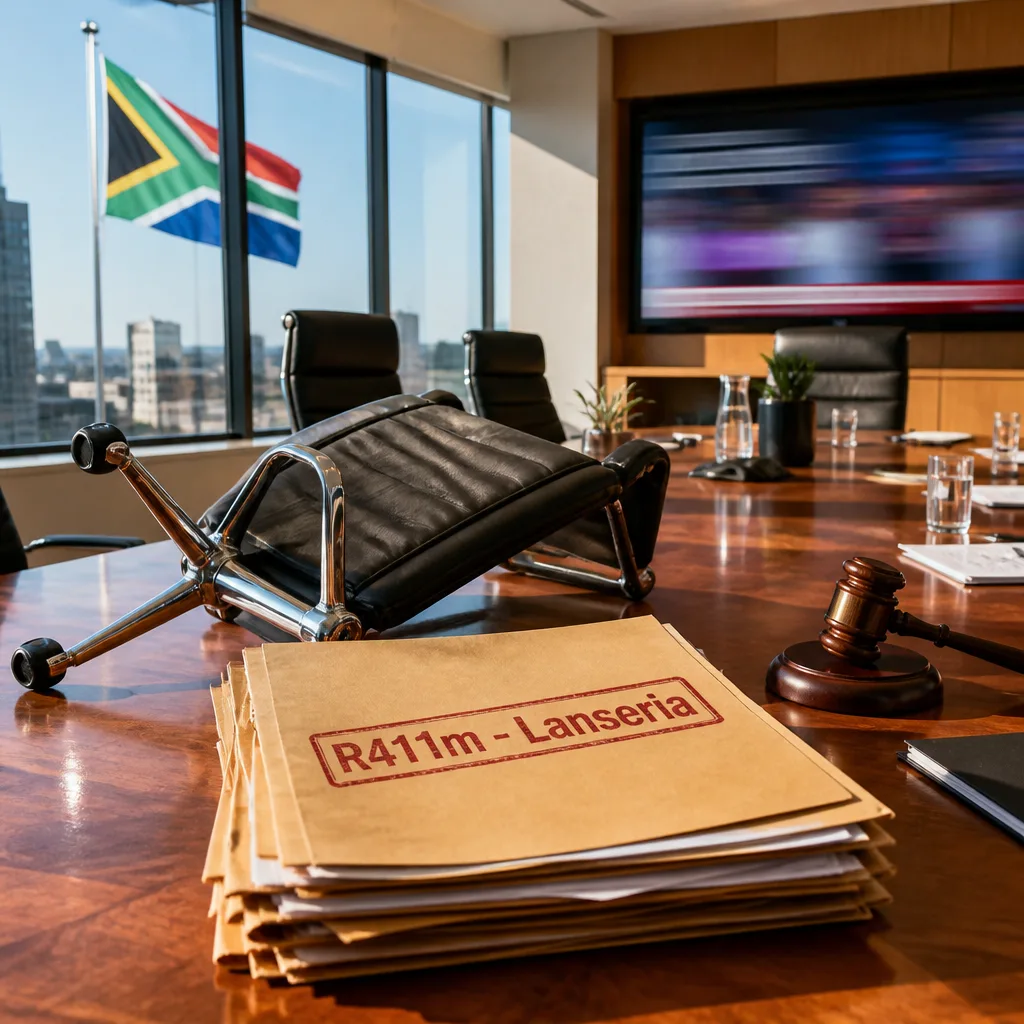
- R411 million — disputed payment related to Lanseria Airport (reported).
| Item | Figure |
|---|---|
| PIC assets | R3.72 trillion |
| Civil servants covered | 1.7 million |
| Lanseria-related payout | R411 million |
“The ANC is desperately hoping the media moment has passed, the fuss just all goes away, and everyone can get back to how it was before,”
— the remark was reported from the Democratic Alliance’s representative on Parliament’s standing committee on finance, who argued the episode highlighted the need to depoliticise the PIC.
The political configuration that put a deputy minister as PIC chair was defended at the time as a way to ensure government oversight of public assets. Critics argue it creates a structural conflict between political actors and the fiduciary duty owed to pension fund beneficiaries.
Consequences for governance reform
The suspension and reinstatement episode provided a window for structural reform: with the CEO off duty and several senior executive positions vacant, the institution could have used the disruption to implement safeguards recommended by judges and governance experts. But reporting suggests that, absent headline-grabbing controversy, the appetite in government to pursue substantial reform is limited.
That leaves a picture in which the immediate crisis has been smoothed over, while the underlying drivers remain. Opposition politicians say the risk is that a return to business as usual will preserve the very arrangements that allowed political interests to influence decision-making at the PIC.
For ordinary public servants, the stakes are plain: the stewardship of their pension savings depends on transparent decision-making, clear checks and balances, and accountability when large sums are paid or litigated. For taxpayers and the broader financial system, weakness at the PIC can transmit to confidence in public finance management.
What happens next will depend on whether the new board and the minister will pursue tangible governance changes — including revisiting the 2021 amendments — or whether the emphasis will be on restoring a calm public surface while leaving institutional incentives untouched.
Either way, the Lanseria payment and the political tug-of-war over the PIC’s leadership have centred a debate that is likely to return unless concrete steps are taken to insulate the fund’s decision-making from partisan pressures.