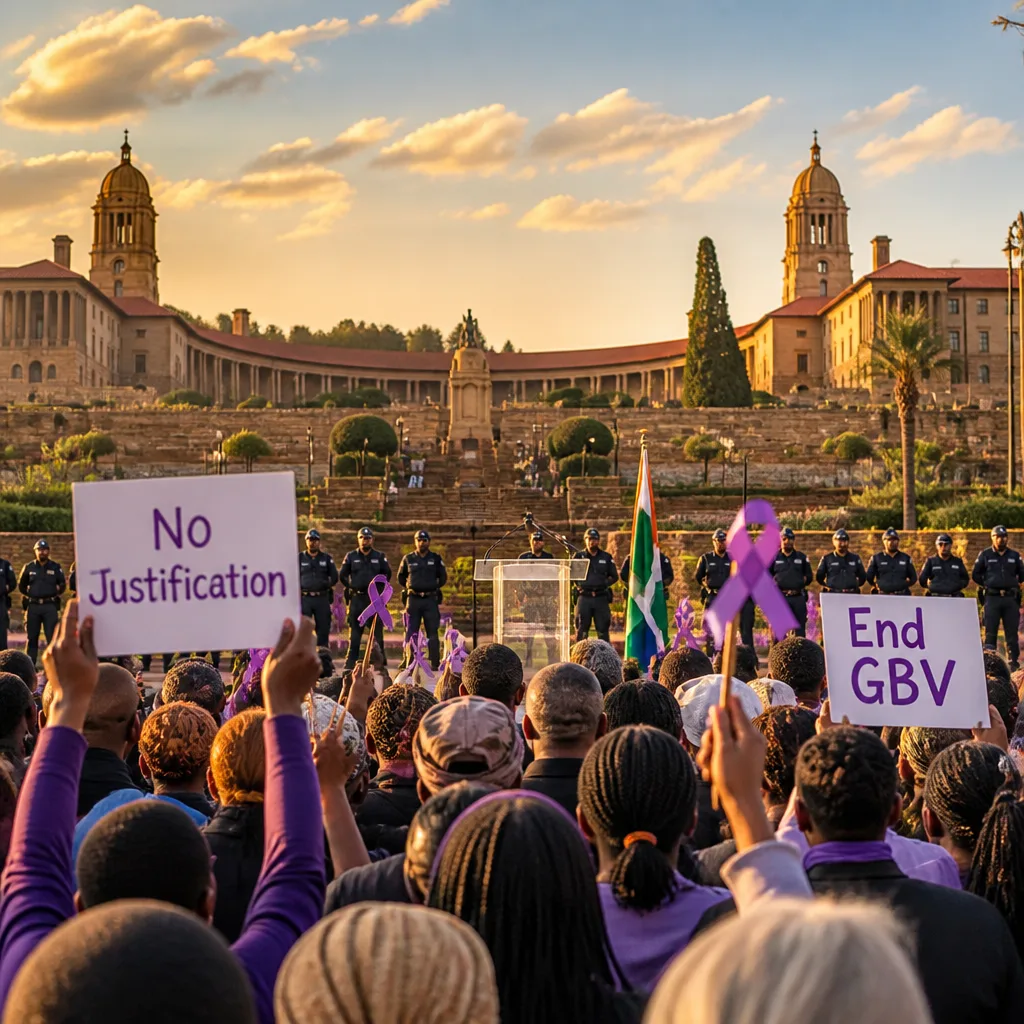
President Cyril Ramaphosa on Sunday condemned any attempt to justify violence against women and urged communities — and men in particular — to stand up against gender‑based violence (GBV).
President: behaviour or dress cannot excuse abuse
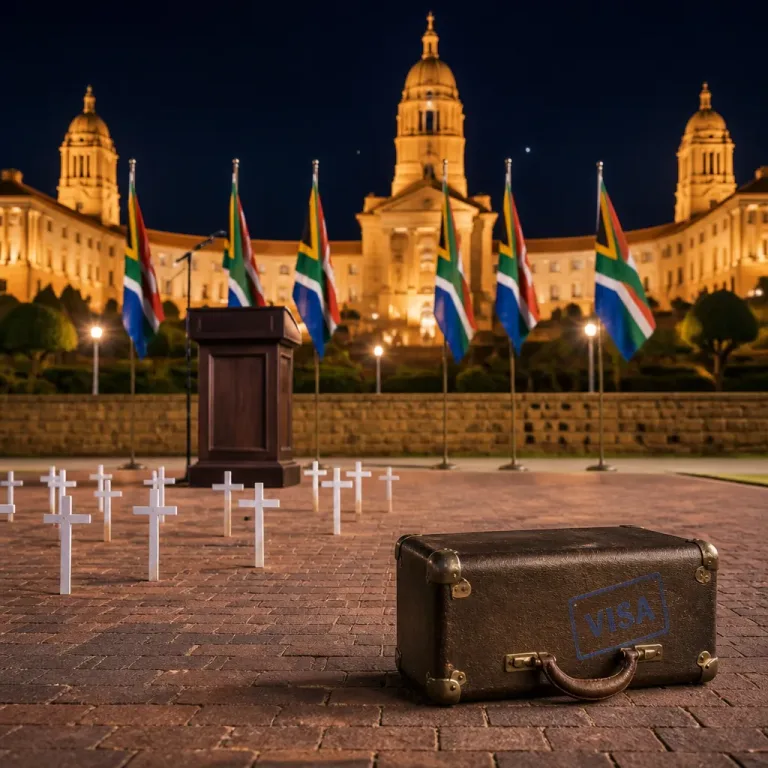
Addressing the 1956 Women’s Day commemoration at the Union Buildings, Ramaphosa said no aspect of a woman’s conduct should be used to excuse abuse. “Not how women dress or how they behave - that cannot be a justification,” he said, according to the address transcript provided in source reporting.
He listed a number of defences he said must not be accepted as reasons for violence: favours given to a woman, the end of a relationship, or workplace seniority. These, he argued, cannot justify offending behaviour.
“Not how women dress or how they behave - that cannot be a justification. Not because some favour is given to them, not because they leave a relationship, and not because they are a junior employee.”
Advocates: victim‑blaming still rife in policing
Advocacy group South African Women Fight Back highlighted continued problems at police GBV centres, reporting instances of victim‑blaming and poor responses from some SAPS personnel. Deepashini Naidoo, who works closely with survivors, described examples of victims being asked, “What did you do?” on arrival at stations.
Naidoo told the reporting outlet that victims have sometimes been told to "go home and sort it out" or informed that their matter is a private, "husband‑and‑wife issue" — responses she said have led to cases not being opened or being closed shortly after being recorded. She added that rape victims face particularly poor treatment by some officers.
- Public condemnation: President Ramaphosa called for communities to refrain from turning a blind eye to GBV.
- Police response concerns: South African Women Fight Back reported victim‑blaming and reluctance to open or pursue GBV cases at some SAPS centres.
- Commemoration context: The remarks were delivered at the Union Buildings event marking the anniversary of the 1956 women’s anti‑pass protest.
What the president said cannot be used to justify violence
| Justifications named | How Ramaphosa dismissed them |
|---|---|
| How a woman dresses | Not a justification for abuse |
| How a woman behaves | Not a justification for abuse |
| Favour exchanged | Cannot justify violence |
| Ending a relationship | Cannot justify violence |
| Workplace seniority | Not a reason to assault or abuse |
The president’s remarks also formed part of a broader appeal to citizens to act when they witness violence and to support survivors. He urged men to play a role in confronting abusive behaviour in their homes and communities.
Advocacy groups say Ramaphosa’s message must be matched by changes in frontline responses. According to the reporting, South African Women Fight Back called for the president’s message to reach SAPS officers working at GBV centres so survivors receive appropriate, non‑judgemental assistance.
Naidoo gave detailed examples of what she described as troubling interactions at police stations: requests to "sort it out" at home; advice that the matter is private; and expectations that victims will withdraw complaints. She warned such responses deter reporting and undermine efforts to hold perpetrators to account.
These accounts come as civil society continues to press for improved training and oversight of police handling of GBV and for stronger preventative measures in communities. The president’s address at the symbolic 1956 commemoration underscores the political focus on GBV, but activists say operational changes at police stations and other institutions are needed to turn rhetoric into results.
Further details about any planned follow‑up actions by government departments or SAPS were not provided in the source reporting and remain developing.