Durban — Parts of KwaZulu‑Natal can expect rain over the coming days, according to a national weather roundup published on 18 August 2026. The forecast, which outlines conditions across all nine provinces, warns of wetter and cooler conditions locally as systems moving over the country become more active.
Where the wet weather may hit
The national summary highlights showers and patchy drizzle in several eastern and escarpment districts, which is consistent with the start of a shift from the dry winter pattern to more unsettled conditions in some coastal and inland areas. The report notes that eastern highlands and escarpment regions often see fog and drizzle first when these systems arrive.
While the roundup names conditions province‑by‑province — including fine, warm weather for Gauteng and cloud or fog in parts of Mpumalanga and Limpopo — it specifically flags rain for some parts of KwaZulu‑Natal. Local municipalities and residents should therefore monitor updates from the South African Weather Service (SAWS) and prepare for wet roads and reduced visibility, particularly on higher ground and along the escarpment.
Local impacts and practical steps
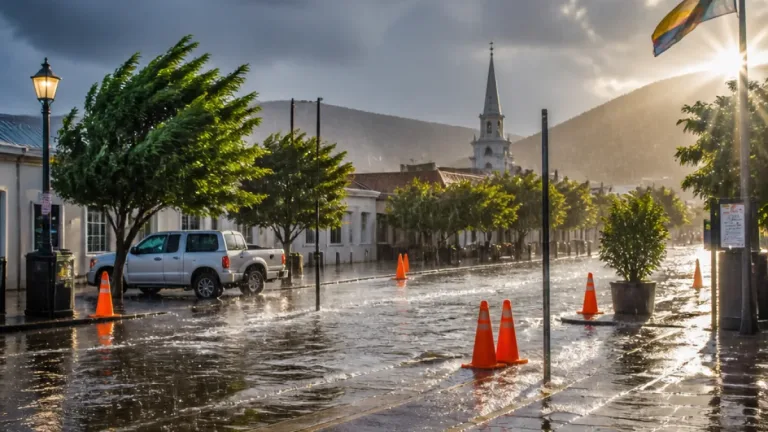
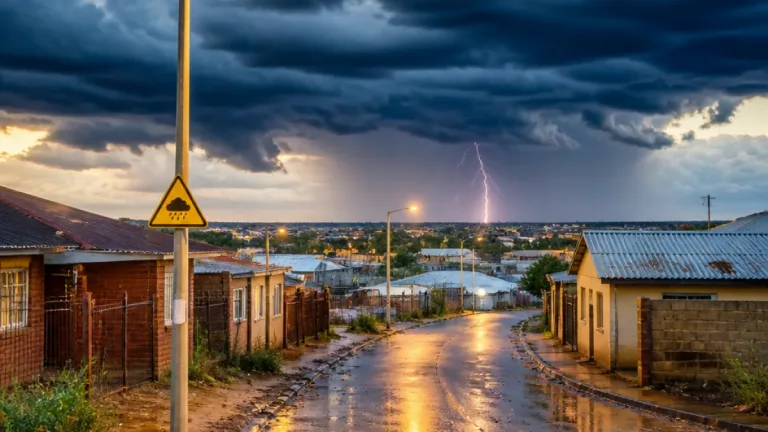
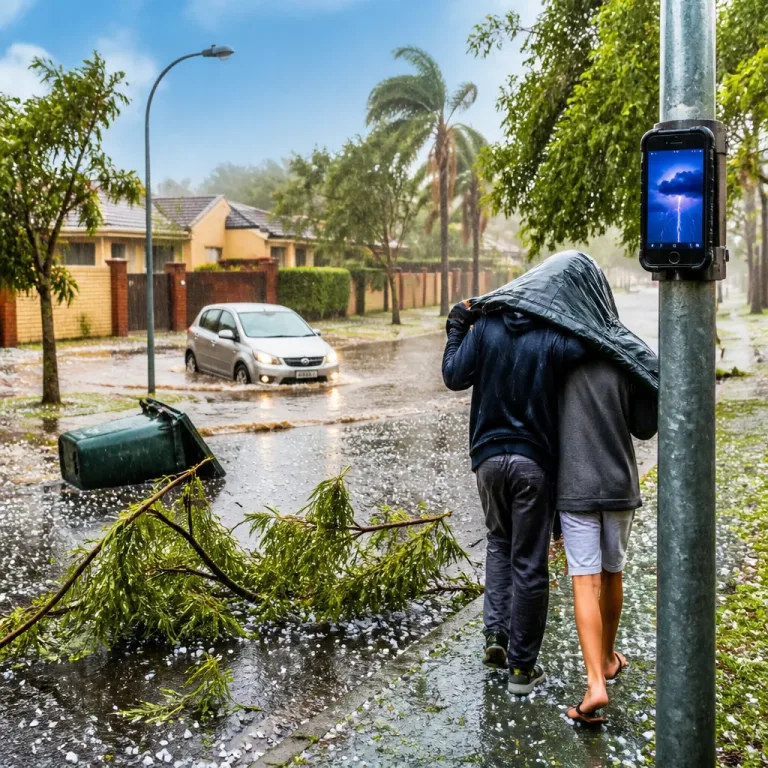
Even light rain can make tar and gravel roads slippery after long dry spells, increasing the risk of vehicle crashes and minor flooding in low‑lying areas. Municipal drainage systems that have not been cleared may struggle with sudden runoff, and informal settlements near streams remain vulnerable.
- Drivers: reduce speed on wet roads, increase following distance and watch for surface water on bridges and low‑lying sections.
- Residents: secure loose items, clear nearby drains where safe, and avoid walking through fast‑moving floodwater.
- Farmers and smallholders: protect seedlings and livestock shelters where possible and keep an eye on localised flooding in fields.
Local disaster‑management centres typically issue guidance where flooding or heavier rain is expected. Weather can change quickly along the coast and escarpment, so those living or travelling in these areas should keep devices charged and have contact numbers for municipal emergency services handy.
How KwaZulu‑Natal fits into the national picture
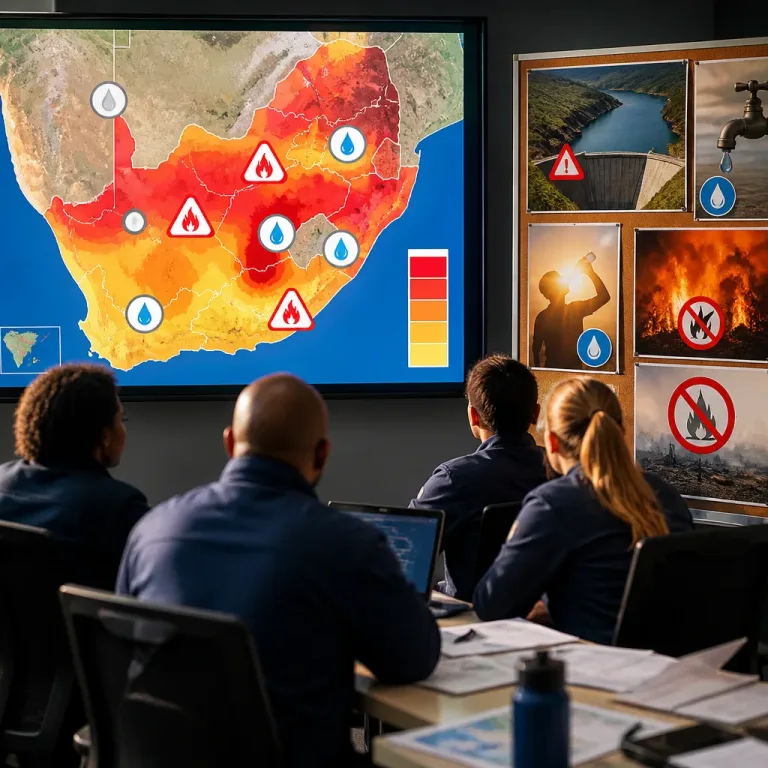
The national weather roundup provided conditions for several provinces. For context, the report described:
| Province | Summary from national report |
|---|---|
| Gauteng | Fine and warm; expected UVB Sunburn Index: High |
| Mpumalanga | Cloudy in the east in the morning with fog patches and drizzle along the escarpment; otherwise partly cloudy and warm in the west. |
| Limpopo | Cloudy in the east with morning fog along the escarpment, otherwise fine and warm. |
Those descriptions are consistent with a pattern in which eastern escarpments and coastal strips see the first signs of instability when a weather system moves in, while interior provinces remain warmer and drier.
Health and safety considerations
Rain increases the risk of slips and falls in busy public spaces, and cooler, damp conditions can aggravate respiratory conditions in vulnerable people. The national report’s UVB advisory for sunny inland provinces is a reminder that sun exposure remains a concern even when some regions are cloudier.
If you live in an area prone to flooding, now is a good time to check your emergency kit, ensure important documents are stored safely and review evacuation routes with household members. Neighbourhood watches and community forums often coordinate assistance for elderly or immobile residents; consider contacting local ward councillors or municipal offices if help is needed.
Where to get updates
SAWS issues regular warnings and watches for severe weather, and municipal emergency management centres publish local alerts and contact information. Motorists should also listen to traffic reports on local radio and follow municipal social‑media channels for realtime service updates. For longer trips, check weather and road conditions for the whole route before departing.
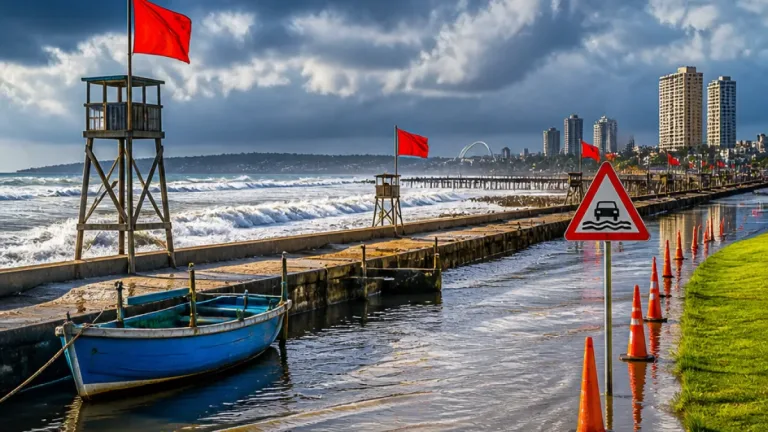
“Residents should monitor SAWS updates and local municipal advisories as conditions can change quickly along the KwaZulu‑Natal coast and escarpment,” the national weather summary advised.
As the region transitions toward more variable late‑winter weather, ordinary precautions will help households and communities stay safe and mobile. Keep an eye on official updates through the day and plan journeys with the possibility of wet roads in mind.
Priya Govender is the KwaZulu‑Natal correspondent based in Durban.