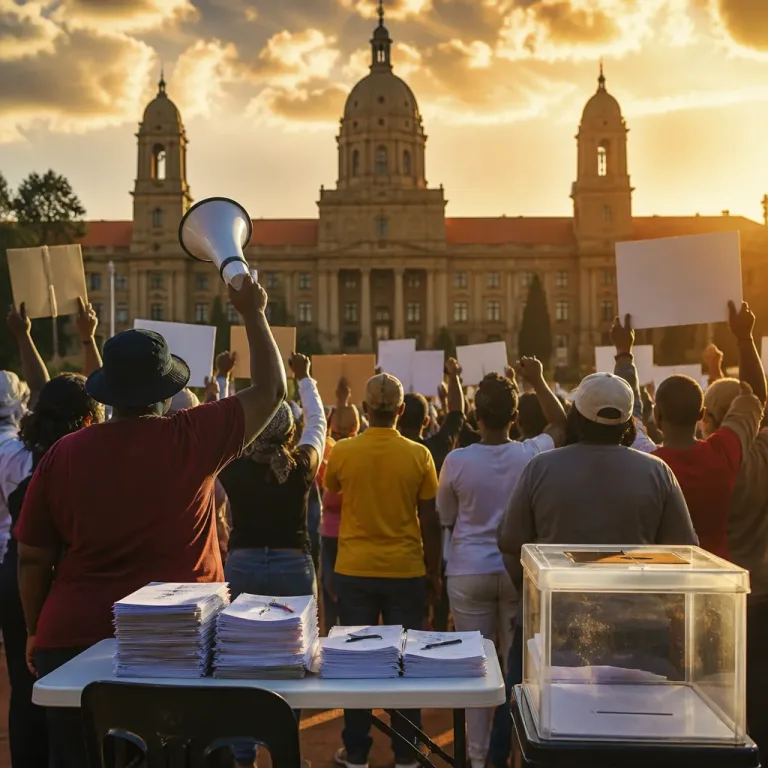
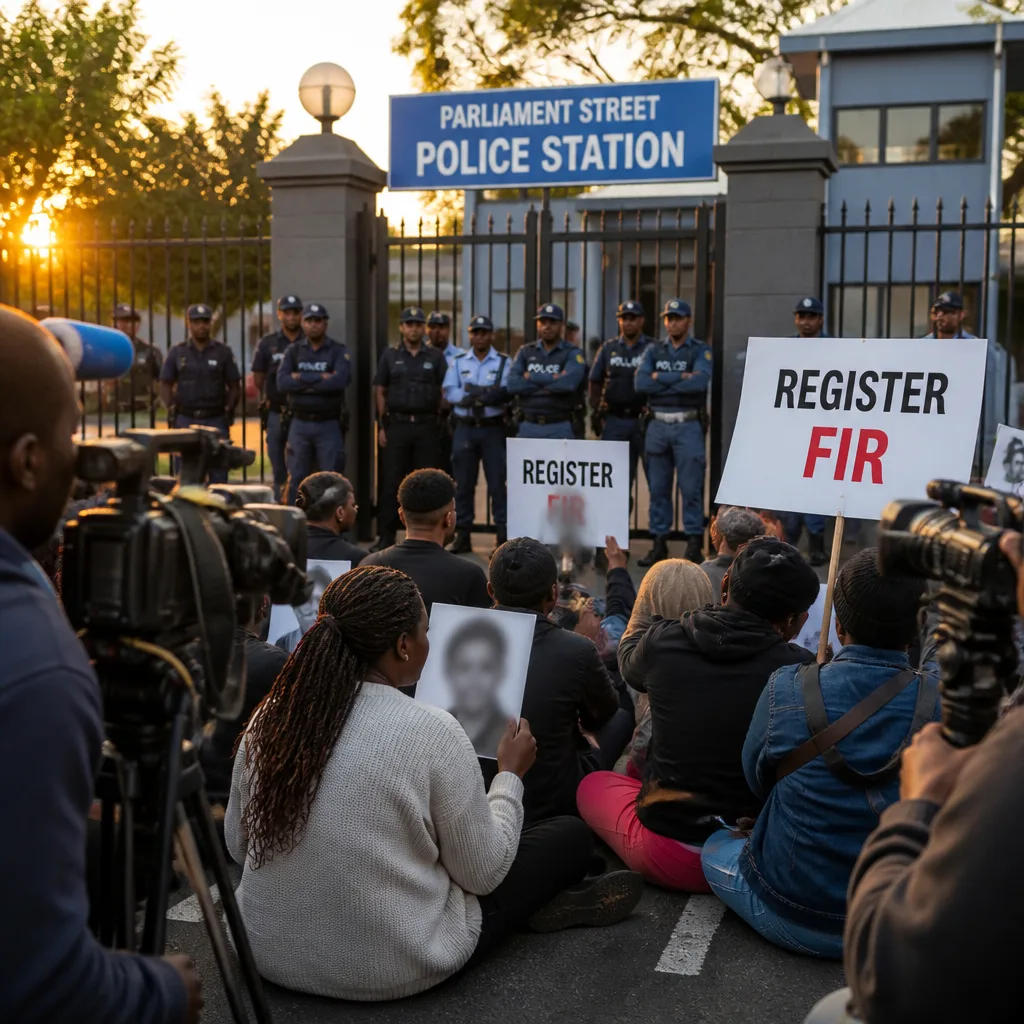
New Delhi — Leader of the Opposition in the Lok Sabha Rahul Gandhi on 21 August 2026 staged an unannounced dharna outside the Parliament Street police station, demanding that a first information report (FIR) be registered in the case of a youth reportedly injured by pellet fire during a July protest. The demonstration, the second of its kind by Mr Gandhi in a month, underlines a tactical escalation by the Opposition that seeks to convert surprise direct action into pressure on state institutions.
Shifting the conversation
The protest came a day after Union Home Minister Amit Shah intensified his attack on the Congress over the party’s decision to sing only two stanzas of Vande Mataram — a row cast in terms of nationalism by the ruling party. Mr Gandhi’s intervention, according to the reporting, sought to redirect attention away from that debate and towards the use of pellet guns against protesting students and the responsibility of the Ministry of Home Affairs, which Mr Shah heads.
The appearance at the police station followed an earlier, unexpected dharna outside the Prime Minister’s residence during student protests. Both actions were described as taking authorities and, at times, Mr Gandhi’s own party colleagues by surprise. The element of surprise, combined with direct action and sustained engagement at sites of grievance, was presented in the reporting as indicative of a deliberate new Opposition playbook.
Party claims and police action
Congress president Mallikarjun Kharge portrayed the registration of the FIR as a direct consequence of Mr Gandhi’s intervention. In a post on the social media platform X he said:
“Those shedding crocodile tears over nationalism are, in reality, the biggest enemies of the country’s youth! Sahil is not alone. Shri Rahul Gandhi and the Congress Party stand with every affected youth.”
Party general secretary (organisation) K.C. Venugopal similarly framed the FIR’s registration as the product of pressure. He wrote on X,
“They have bent. They were forced to bend.”The reporting attributed the eventual registration of the FIR by the Delhi Police to Mr Gandhi’s hours-long protest demanding action over the injuries suffered by Sahil Lochav, the pellet-gun victim named in the complaint.
- Date of dharna: 21 August 2026
- Location: Parliament Street police station, New Delhi
- Issue pressed: Registration of an FIR concerning pellet injuries to a youth allegedly sustained during a July 20 protest
| Previous action | Current action |
|---|---|
| Unannounced dharna outside Prime Minister’s residence over students’ protests (early August) | Unannounced dharna at Parliament Street police station demanding FIR for pellet injuries (21 August 2026) |
What this means politically
The episode highlights several dynamics. First, it reflects an Opposition tactic that privileges disruptive, visible interventions to force administrative responses. Second, by pivoting from a cultural-nationalism dispute to allegations of excessive force and the role of the Home Ministry, the Congress has sought to recast the moral centre of the controversy. Third, the party leadership framed the FIR registration as a victory of pressure politics — a narrative that may help mobilise sympathy among students and families affected by policing tactics.
For the ruling party and the Home Ministry, the challenge is twofold: to defend decisions on law and order while managing a narrative that places them at the centre of contested policing practices. The reporting shows that Mr Shah’s prior criticisms of the Congress on the Vande Mataram issue preceded Mr Gandhi’s protest, creating a rapid contest over which storyline will dominate public attention.
The immediate practical outcome reported was the registration of an FIR after Mr Gandhi’s intervention. Beyond that, the tactical shift suggested by successive surprise dharnas may alter how Opposition leaders seek to influence administrative agencies and public opinion in the coming weeks.
Further developments will depend on how the police proceed with the investigation named in the FIR, whether other Opposition figures adopt similar tactics, and how the ruling party chooses to respond on law-and-order and political messaging.