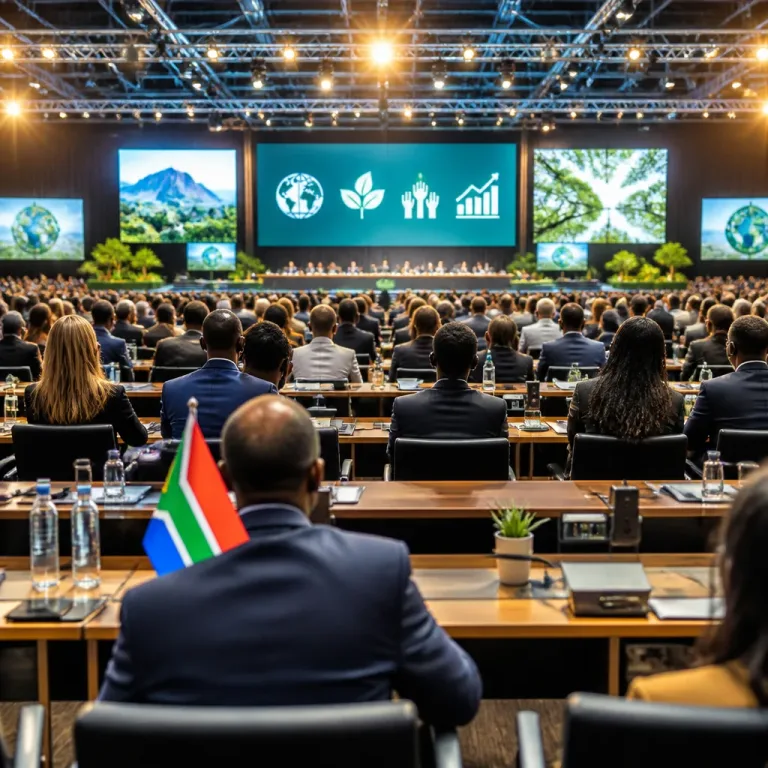

Polokwane — The 8th African Tourism Leadership Forum (ATLF) has left a measurable economic footprint in Polokwane and across Limpopo, organisers and provincial sources say, with hotels reporting full occupancy and multiple local sectors benefiting from the influx of delegates and visitors.
Short-term boost across hospitality and informal economy
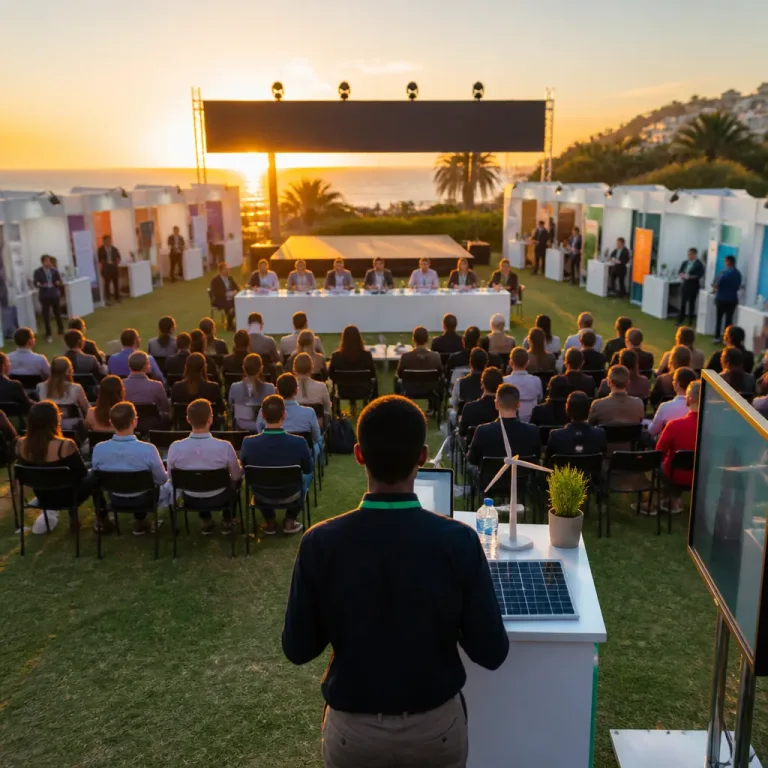
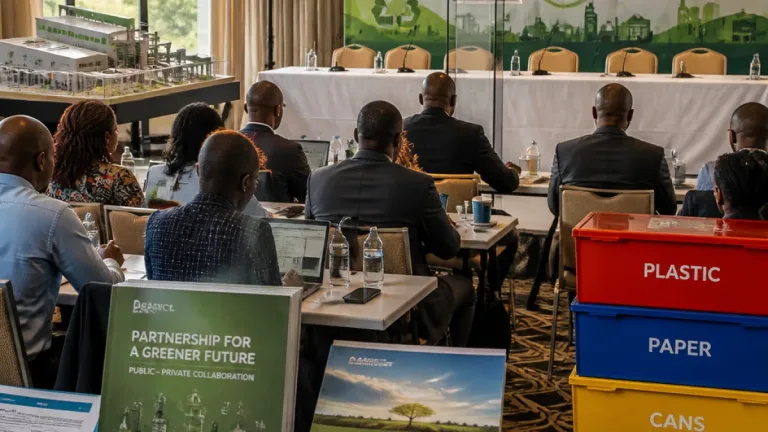
According to reporting by Businessday NG, the three-day forum staged at Meropa Casino & Entertainment World in Polokwane brought visitors who filled hotels, crowded restaurants and increased sales at art and craft centres. The provincial government, which hosted the event, described the forum as a practical platform that moved beyond talks to networking and concrete plans for intra-Africa travel and tourism growth.
Businessday NG reported that hotels across Polokwane achieved 100% occupancy during the event. Craft centres saw significantly higher foot traffic as delegates purchased handicrafts and souvenirs, while wildlife reserves that participated in the ATLF post-tour also recorded greater visitor numbers.
Wider ripple effects for small traders and services
Beyond formal tourism businesses, the forum's visitors spent money with a broad range of local service providers. The report names cab drivers, food vendors, cultural troupes and telecommunications providers among those who benefited from increased demand during the conference period.
That diffusion of spending—sometimes called the multiplier effect—suggests short-term income gains for households and micro-enterprises that supply goods and services to visitors, according to the coverage.
"For the three days it held, some key stakeholders of Africa’s travel, tourism, hospitality and aviation sectors walk the talk; networked, shared insights, and devised strategies for intra-Africa travel and tourism growth across the continent," Businessday NG reported.
Geography and strategic importance
Limpopo's geography further reinforced the province's suitability as host. The province shares borders with Botswana, Zimbabwe and Mozambique, making Polokwane a gateway for regional travel and a practical base for a Pan-African tourism forum, the report noted.
Event venues extended from Meropa to Peter Mokaba Stadium, which hosted cultural night events that drew attendees and showcased local artistic talent.
What sectors reported gains
- Accommodation — hotels in Polokwane reported full occupancy during the forum.
- Food and beverage — restaurants and food vendors experienced higher demand.
- Arts and crafts — centres recorded increased sales of handicrafts and memorabilia.
- Wildlife and resorts — a number of wildlife sanctuaries reported higher visitor numbers during the post-forum tours.
- Transport and telecoms — taxis and telecommunication services saw increased usage.
- Cultural sector — cultural troupes participated in events and gained exposure.
| Sector | Reported impact |
|---|---|
| Hotels | 100% occupancy across Polokwane (Businessday NG) |
| Restaurants & food vendors | Marked increase in customer numbers |
| Craft centres | Higher footfall and souvenir sales |
| Wildlife resorts | Greater visitor numbers during post-tour events |
| Informal transport & services | Increased fares and short-term earnings |
What this means for Limpopo
Provincial officials and event organisers characterised the forum as an opportunity to enhance the brand equity of "Destination Africa" and to position Limpopo as a regional hub for tourism. Businessday NG reported that the African Tourism Partners (ATP), lead organiser of the ATLF, and other partners considered the event a success that justified the effort invested.
Local tourism development experts often point out that single events can catalyse longer-term benefits only if followed by sustained marketing, product development and investment in service standards. While the report did not provide follow‑up commitments or specific figures on longer-term investment, it noted provincial appreciation and an intention to build on the momentum created by the ATLF.
For residents and small businesses, the immediate lesson is practical: large conferences can bring concentrated short-term demand across formal and informal sectors. Local suppliers, cultural groups and hospitality operators who worked with the forum benefitted directly, according to the Businessday NG coverage.
This episode also underscores the strategic value of hosting regional events in secondary cities such as Polokwane, which can mobilise local assets — venues, culture, wildlife attractions and proximity to neighbouring countries — to attract international and continental visitors.
Reporting for this story was based on Businessday NG's coverage of ATLF 2026 and the forum's activities in Polokwane.