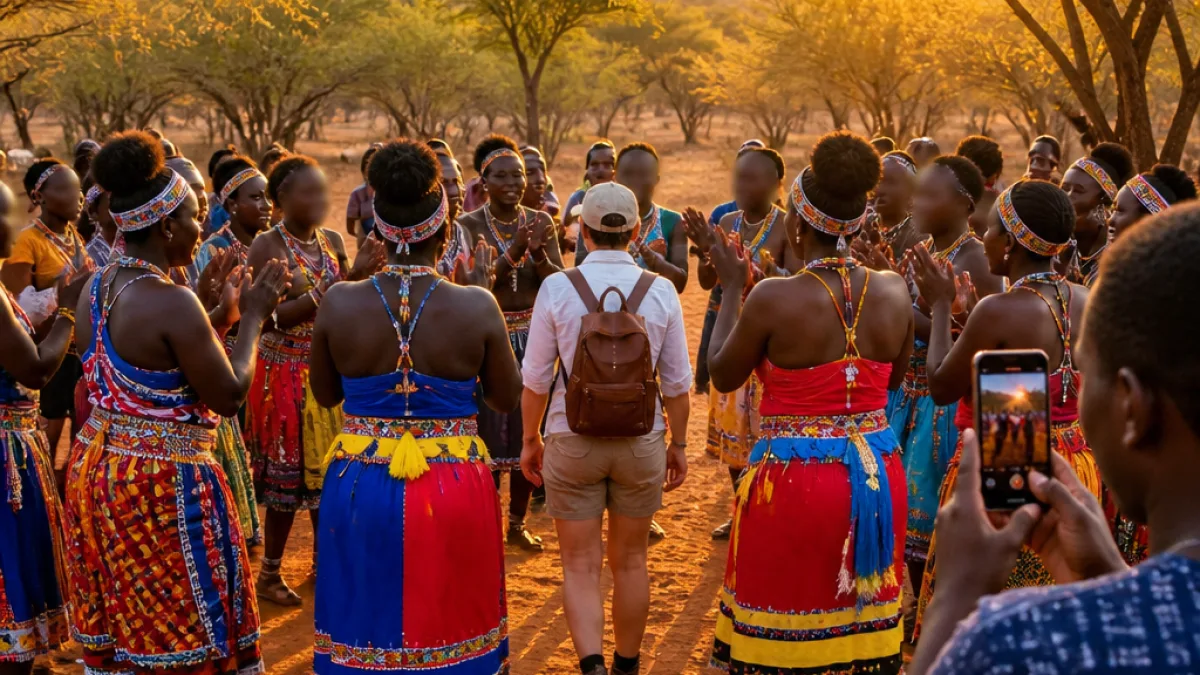
A video circulated on social media shows a Japanese woman joining a communal dance during an outdoor gathering in Limpopo, drawing praise online for her rhythm and participation, The South African reported.
Simple moment, wide reach
The clip, which forms part of a social-media segment, captures a brief, unscripted interaction: a visitor moving with a local group and appearing comfortable with the steps and tempo. The South African published the footage and noted its rapid circulation across platforms.
This episode has two clear public interest elements: it reflects everyday cultural exchange in public spaces, and it has become a viral moment that places a spotlight on Limpopo beyond the usual news about infrastructure or politics.
Why Limpopo's public dances matter
Communal dancing in the province is often an expression of social cohesion, ceremony and welcome. While the video does not identify the specific event or community, the scene resembles the kind of open gathering where visitors and residents mix informally. Such moments help form impressions of the province for people who view the clip from far away.
- Cross-cultural exchange: Visitors participating respectfully in local practices can create memorable, positive interactions.
- Tourism image: Viral content can increase curiosity about a destination, prompting potential visitors to learn more.
- Local pride: Sharing scenes of communal life often strengthens community identity and offers an uplifting counterpoint to negative headlines.
What the video shows — and what it does not
The available footage is short and unscripted. It shows the visitor moving with the group during an outdoor activity, smiling and joining the steps. The South African’s post carried the clip but did not provide details about the exact location in Limpopo, the nature of the event, or the identities of those taking part.
Because key facts are absent from the report, viewers should treat the clip as a human-interest snapshot rather than a detailed account of a formal cultural performance. No claim about the woman’s purpose in Limpopo, her background beyond nationality, or the organisers of the event is made in the available report.
Social media notes and platforms
The South African urged readers to view the clip alongside other viral material on social platforms. The report referenced common channels where the clip spread:
| Platform | Function in the report |
|---|---|
| One of the sharing platforms mentioned | |
| Suggested for following similar video content | |
| TikTok | Platform noted for short viral clips |
Voices and reactions
The report did not include direct quotations from participants or organisers. Online reaction, as reflected in likes and shares, was largely positive: viewers praised the visitor’s willingness to join in, and many expressed delight at the display of shared enjoyment.
“Watch the viral video of a Japanese woman impressing Mzansi with her dance moves in Limpopo,” The South African wrote, as part of its social-media coverage.
Practical takeaways for visitors
For travellers and visitors who want to take part in similar gatherings, common-sense guidance applies:
- Ask permission before joining a ceremony or dance; a brief greeting and a sign that you are a visitor is respectful.
- Observe first: learn the rhythm and whether the gathering is open to participants or is a private ceremony.
- Follow local cues—for example, where to stand and when clapping or ululation is appropriate.
When visitors participate respectfully, such interactions can create lasting goodwill and meaningful connections between hosts and guests.
Local correspondent’s note
Short clips like this one provide a glimpse into everyday life that many people outside the province rarely see. They remind us that Limpopo’s public spaces often host spontaneous, welcoming moments that reflect ordinary hospitality. The South African’s report brought the clip to wider attention; further details about the event would require reporting on the ground to confirm location, participants and context.
Reported by The South African; Polokwane correspondent coverage provided.