Basikopo Makamu, newly appointed Limpopo MEC for Agriculture and Rural Development, has told departmental officials in Mopani District that much of his work will be conducted on farms rather than behind a desk, according to reporting by African Farming.
Focus on frontline service delivery
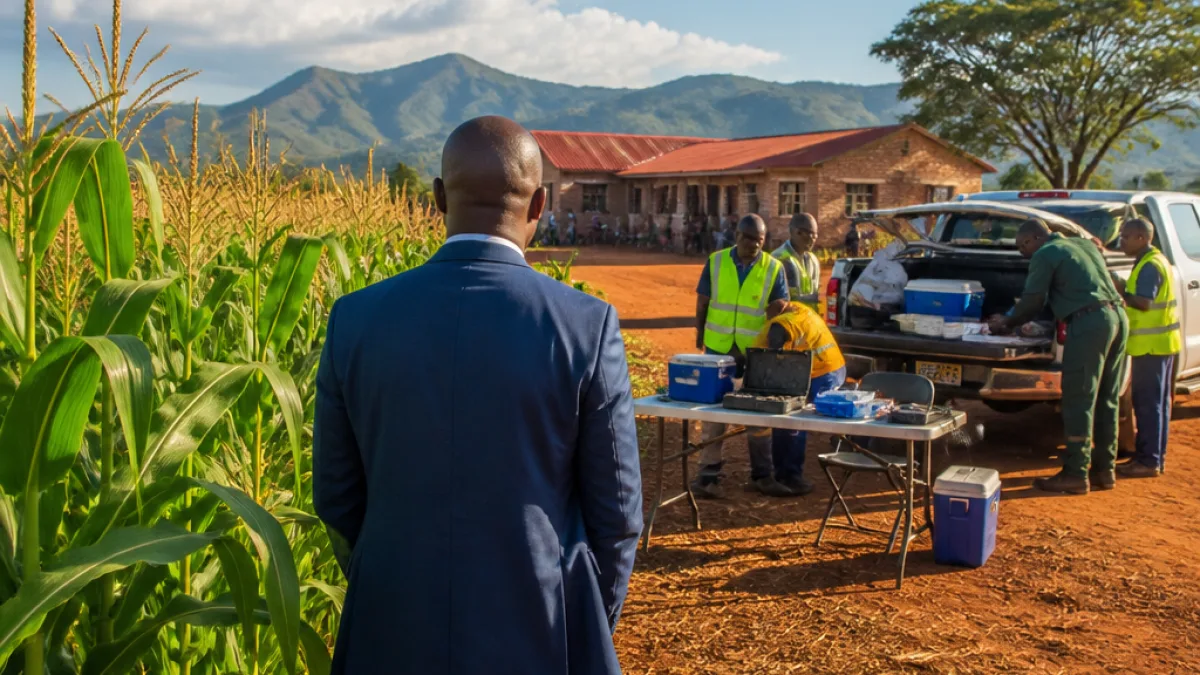
Makamu addressed staff at Nkowankowa Community Hall on 17 September during what African Farming's Maile Matsimela reported was the first in a series of engagements following his appointment. He said he plans to spend substantial time working alongside agricultural advisors, veterinary services officials and other frontline personnel to ensure services reach farmers and rural communities.
“The farms will, in many respects, be my office,” Makamu told departmental employees, urging officials to work hard and remain focused on service delivery, African Farming reported.
The MEC emphasised that while agricultural production remains central to the department’s mandate, rural development must receive equal attention if government is to improve livelihoods in farming communities. His remarks echo the department’s stated strategic priorities: extension and advisory support, food security, development of smallholder farmers, and strengthening participation in local agricultural economies.
What this means for Mopani farmers
Officials in Mopani will be expected to accelerate outreach to communal and smallholder producers, veterinary service points and local cooperatives. For residents and farmers this could mean more on‑farm visits by extension officers, veterinary campaigns, and hands‑on capacity building at local level.
- Extension and advisory services: in‑field technical support for planting, pest and disease management, and soil health.
- Veterinary services: animal health and disease control, which underpin livestock productivity and food security.
- Smallholder development: assistance to access inputs, markets and training to increase participation in local agricultural economies.
Those services are already listed as departmental responsibilities and priorities, and Makamu’s public commitment signals a managerial expectation that officials will be more visible and proactive in rural localities.
Broader rural development mandate
Makamu framed agriculture not only as food production but as a vehicle for broader rural transformation. He called on staff to consider how farming activities can be linked to wider development outcomes, such as income generation, job creation and market participation.
Transforming rural livelihoods through agricultural development will require co‑ordination across provincial line departments and municipal structures, particularly where infrastructure, water supply and access to markets are limiting factors. The MEC did not outline specific new programmes or budgets in the meeting reported by African Farming, but his emphasis on being operationally present on farms sets expectations for an active provincial engagement model.
What residents and farmers should expect next
Based on the MEC’s statements and the department’s existing mandate, farmers and rural communities can reasonably expect:
- an increase in outreach visits by extension and veterinary staff;
- promotional engagements or roadshows in district centres to clarify departmental support;
- efforts to link smallholder producers with local markets and value‑chain stakeholders.
Farmers seeking support should maintain contact with their local agricultural extension office or their ward councillor for information on forthcoming visits and programmes.
| Departmental priority | Examples of focus |
|---|---|
| Extension and advisory support | On‑farm technical assistance, training |
| Food security | Support for production and post‑harvest handling |
| Smallholder farmer development | Market access, inputs, cooperative support |
Makamu’s approach will be evaluated by communities and sector stakeholders on the basis of visible improvements in service delivery, timeliness of veterinary interventions, and measurable support for smallholders to access markets. The department’s ability to deliver will also depend on existing budgetary allocations and provincial co‑ordination with municipal and national agricultural programmes.
The meeting in Nkowankowa forms part of a series of engagements the MEC is holding with departmental staff, African Farming reported. Further details on upcoming field engagements or specific initiatives were not disclosed in that report.
As Limpopo’s agricultural leadership signals a more hands‑on approach, farmers and rural residents in Mopani and across the province will be watching for concrete changes in how extension and veterinary services are delivered, and for any new partnerships that improve market access for smallholder producers.
Reported by African Farming’s Maile Matsimela and summarised for Limpopo readers.